
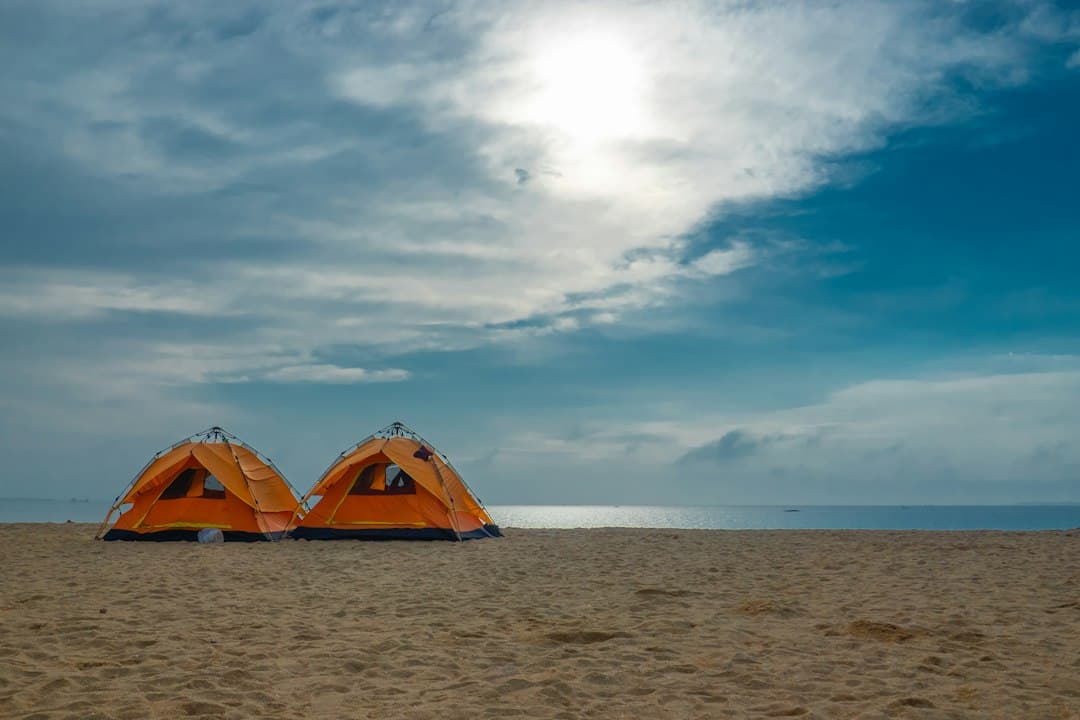
Beach Camping: Where to Go in Every Coastal Region and How to Camp on Sand
Beach camping made easy: the best camping on the beach by region, from Florida to the Great Lakes, plus how to pitch a tent on sand, handle wind and tides, and book.
Use this guide for
Better camping decisions, faster trip planning, and clearer gear choices. Use this article as your starting point, then keep going with related camping guides and practical help articles below.
Beach camping means falling asleep to the surf, but also wind, salt, soft ground and tides that a forest campground never throws at you. This guide covers where to go camping on the beach in every US coastal region, with links to our full park guides, and how to set up and stay comfortable on the sand.
What Counts as Beach Camping?
"Beach camping" covers three kinds of trips:
- Beside the beach. Most beach campgrounds sit behind the dunes or in maritime forest, with shade, flat pads and a bathhouse. Start here.
- On the sand. A few places let you pitch a tent or park right on the beach. Expect no shade, no defined sites and more wind.
- Drive-on beaches. Some beaches allow permitted vehicles on the sand. You'll need aired-down tires, a recovery kit and the current rules, which change often.
Best Beach Camping by Region
Florida

- Bahia Honda State Park: Florida Keys camping with three campground areas. Check the bridge clearance before you bring a tall RV.
- Sebastian Inlet State Park: Space Coast hookup sites by the inlet, with fishing and surfing.
- Fort Pickens Campground: Five loops on Pensacola Beach, booked on Recreation.gov.
- Jetty Park: Cape Canaveral camping with rocket launch views and jetty fishing.
- Hanna Park: A Jacksonville city park with campground loops, cabins and an Atlantic beach.
- St. George Island State Park: The campground is closed for renovations until roughly mid-2027. Our guide lists what's still open and where to camp instead.
Georgia and the Carolinas
- Jekyll Island: A Georgia campground near Driftwood Beach, with RV hookups.
- Hunting Island State Park: South Carolina hookup and tent sites near a lighthouse that reopened in 2026.
- Huntington Beach State Park: South Carolina beach camping with great birding (and alligators).
- Hammocks Beach State Park: Primitive sites on undeveloped Bear Island, NC, reached only by ferry or paddle.
Mid-Atlantic and New England
- Assateague Island: National Seashore and state park campgrounds, plus backcountry beach sites and wild horses.
- Cape Henlopen State Park: Delaware camping near Lewes, with cabins.
- Fishermen's Memorial State Park: Rhode Island's large campground near Narragansett beaches.
- Nickerson State Park: Cape Cod camping with kettle ponds, yurts and bike trails.
West Coast
- Pismo Beach: Two state campgrounds, plus Oceano Dunes, where you can drive onto the sand and camp. Check its current rules first.
- Oregon Coast: State park campgrounds and yurts along Highway 101.
- Cape Disappointment State Park: Washington camping where the Columbia meets the Pacific, recently reopened after construction.
Great Lakes
Freshwater beaches count too, with no salt or tides and often warmer summer water than the Pacific.
- Warren Dunes State Park: Southwest Michigan dunes, a dog beach and mini cabins.
- Indiana Dunes National Park: Dunewood Campground plus nearby state park sites.
- Sleeping Bear Dunes: Two campgrounds, backcountry sites and island camping on Lake Michigan.
- Kohler-Andrae State Park: Wisconsin dunes, a cordwalk and year-round camping.
How to Pitch a Tent on Sand
Standard thin stakes pull straight out of dry sand. A few fixes make all the difference:
- Use wide sand stakes or bury "deadman" anchors. Tie each guyline to a stuff sack filled with sand, a stick or a log and bury it a foot deep.
- Pitch with the narrow end into the wind. A low dome sheds gusts far better than a tall cabin tent.
- Guy out every point, even on calm afternoons. Sea breezes often pick up toward evening.
- Camp above the high-tide line. Look for the line of dried seaweed and debris, and set up well behind it, behind the dunes if the rules allow.
- Lay a footprint or tarp under the tent to keep sand out of the floor seams.
For the basics, see our guide on how to set up a tent.
Tides, Wind and Storm Safety
- Check the tide chart for your dates. Note the high tide times and any unusually high (king) tides.
- Watch the marine forecast, not just the town forecast. Coastal wind can be double what's blowing inland.
- Have a bail-out plan. If a storm is coming, move to your car or a shelter early. Low sites and overwash areas flood first.
- Respect rip current warnings and swim near lifeguards.
- Pack sun protection. There's rarely shade on the sand, so bring a canopy, a hat and reef-friendly sunscreen.
Rain on the coast tends to come sideways. Our camping in the rain guide covers keeping a tent dry.
Permits and Reservations
Beach campgrounds are some of the hardest sites to book. Many state and national park beach campgrounds open reservations months ahead, and summer weekends often fill the day they open. Check each park's booking window and set a reminder.
Camping directly on the sand, driving on beaches and backcountry beach sites often need their own permit on top of a campsite reservation. Rules vary by park and change after storms, so confirm the current rules before you go.
Things to Know Before You Go
What can you do? Swimming, surf fishing, kayaking, shelling, birding and stargazing are all on the table. Many beach parks also have lighthouses, forts or dune trails.
How should you prepare? Pack for sand and salt: a mat for the tent door, a small brush, fresh water to rinse gear, and extra ice, since heat off the sand drains a cooler fast. Our camping checklist covers the rest.
What about the environment? Stay on marked paths and never camp on dune grass. Many beaches are sea turtle and shorebird nesting areas in summer, so use red light or none near the water. Pack out trash, fill in holes you dig, and follow local fire rules, since many beaches ban fires on the sand.
Recommended Gear
A few pieces of gear make beach camping more comfortable:
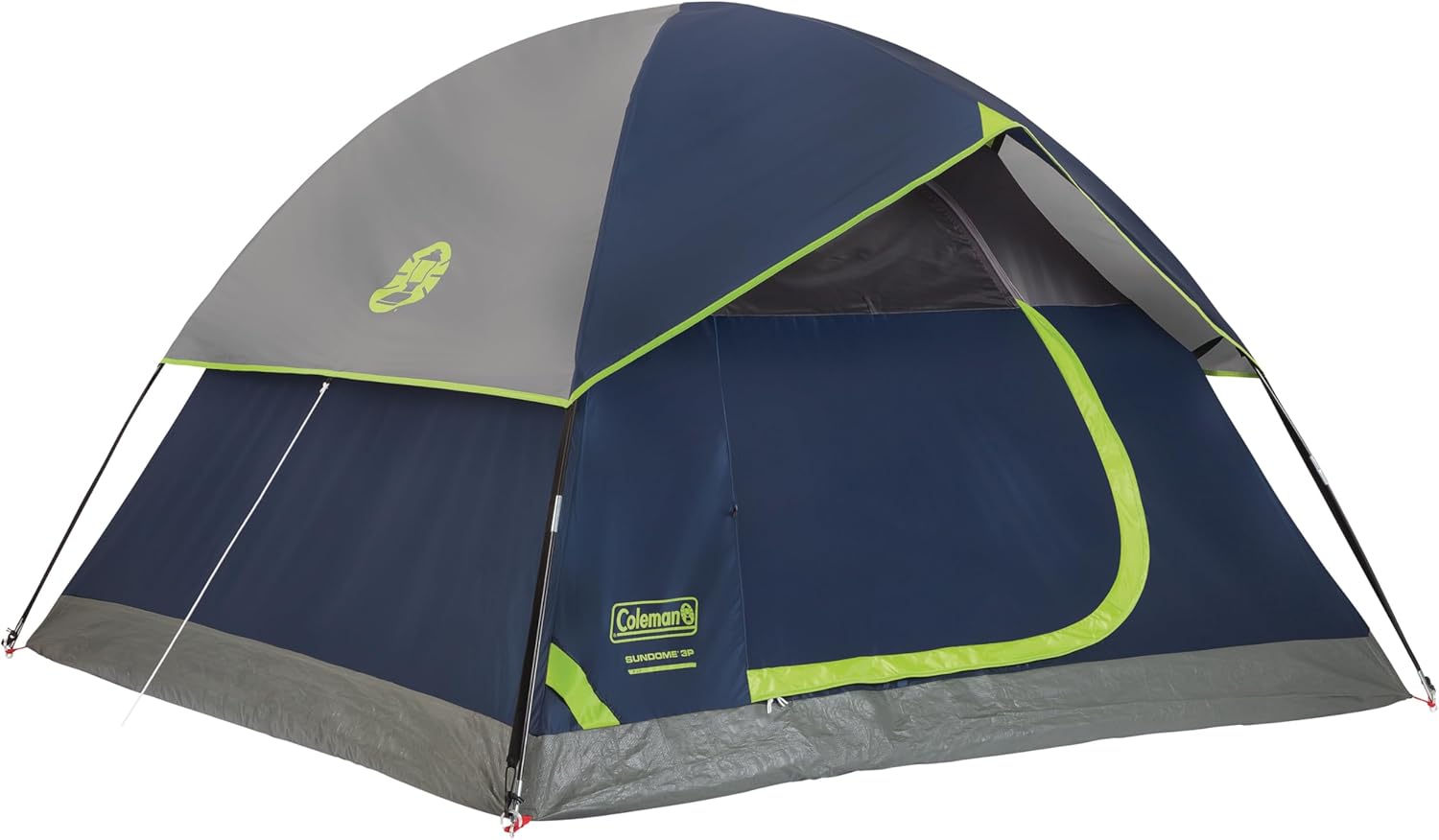
- Coleman Sundome Camping Tent: A low dome profile and full rainfly handle coastal wind and blowing rain well. Swap in sand stakes. More options in our best camping tent roundup.
- GCI Outdoor Freestyle Rocker XL: Its wide feet don't sink into soft sand like narrow chair legs do. See more in our camping chairs guide.
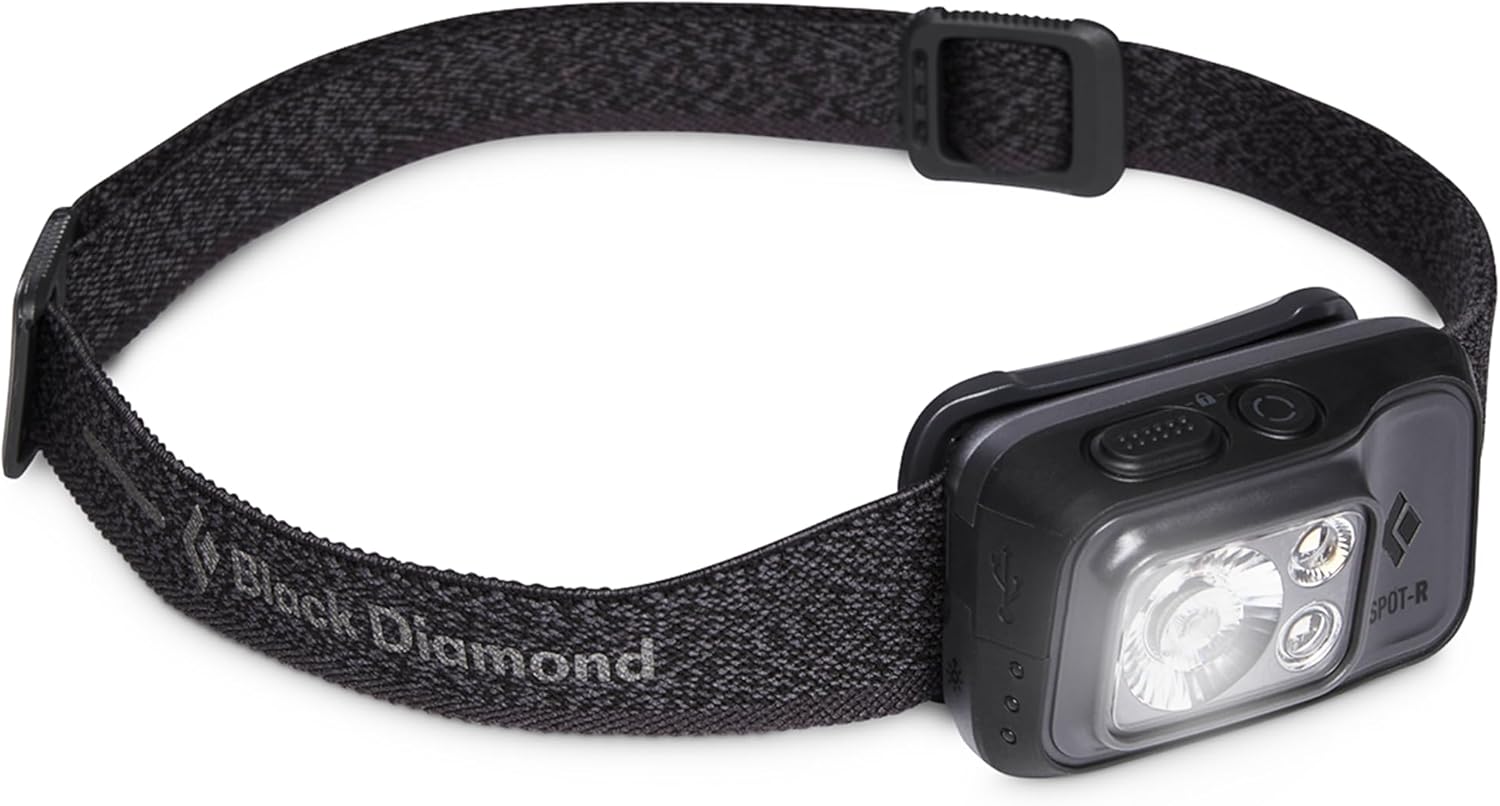
- Black Diamond Spot 400-R Headlamp: Waterproof and rechargeable, with a red-light mode that's friendly to turtle nesting beaches.
Pick a region, book early, and pack sand stakes.