
Camping on the Oregon Coast: The Complete 2026 Guide
Where to camp along Highway 101 — the best Oregon Coast state park campgrounds, yurts, how the 6-month reservation window works, weather, and what to pack.
Use this guide for
Better camping decisions, faster trip planning, and clearer gear choices. Use this article as your starting point, then keep going with related camping guides and practical help articles below.
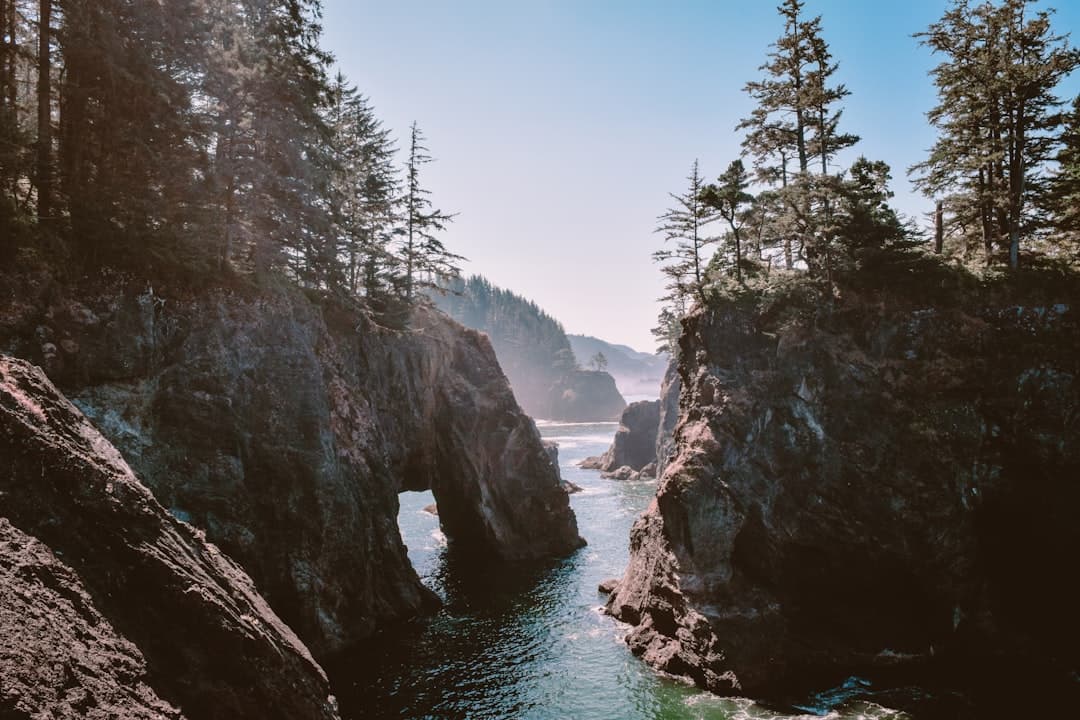
Camping on the Oregon Coast means 363 miles of publicly owned shoreline and a chain of state park campgrounds strung along Highway 101 like beads. Oregon made its entire coast public in 1967, which is why you can camp within earshot of the surf here in a way that is nearly impossible in California or Washington. The catch is that everyone else knows it too — the good sites book out months ahead, and the weather does not care what month it is.
Here is how to plan a coast trip that actually works.
The Campgrounds Worth Knowing
The Oregon Coast breaks into three stretches, and the character of the camping changes with each.
North Coast (Astoria to Lincoln City). Fort Stevens at the mouth of the Columbia is the biggest state park campground in the system — hundreds of sites, paved bike paths, a shipwreck on the beach, and enough infrastructure that it feels like a small town. Nehalem Bay puts you on a sand spit between the bay and the ocean with a short walk over the dune to open beach. Cape Lookout is the north coast's best combination of forest sites and immediate beach access.
Central Coast (Lincoln City to Florence). Beverly Beach sits in a wooded creek canyon just north of Newport, tucked back far enough to break the wind. South Beach, just south of Newport, is more open and better for big rigs. Jessie M. Honeyman, near Florence, backs onto the Oregon Dunes and a freshwater lake — this is the one to pick if you want dune riding or a swimmable lake instead of 55-degree ocean.

South Coast (Coos Bay to Brookings). This is the quieter, prettier, harder-to-reach half. Sunset Bay wraps a sheltered cove near Coos Bay and connects by trail to Shore Acres. Bullards Beach near Bandon has a lighthouse and miles of walkable sand. Cape Blanco is the westernmost point in the state and windy enough to prove it. Harris Beach in Brookings gets the warmest, sunniest weather on the coast and sea stacks off the beach.
Reservations: Book Six Months Out
Oregon State Parks takes reservations on a rolling window that opens roughly six months ahead of your arrival date, through the state's official reservation system. For a July or August weekend at Cape Lookout, Nehalem Bay, or Harris Beach, that window is not a suggestion — popular loops fill the morning they open.

A few things that make the system workable:
- Midweek is a different world. Tuesday through Thursday nights are often available even in summer.
- Cancellations are constant. Check back in the two weeks before your date; people bail on coast trips when the forecast turns.
- A handful of coast campgrounds keep first-come, first-served hiker/biker sites, which are cheap, walk-up, and reserved for people arriving without a car.
Confirm current fees, windows, and loop closures on the official Oregon State Parks site before you count on anything — the system adjusts rules and seasonal closures year to year.
Yurts Are the Coast's Secret Weapon
Oregon pioneered the state park yurt, and the coast has the most of them. A yurt is a round, canvas-walled hut with a lockable door, bunks, a futon, electricity, and heat. In a place where a January storm can dump three inches of rain in a night, that changes what a winter trip looks like. Yurts book up faster than tent sites — reserve at the six-month mark or take a weeknight.
Weather: Plan for Wind and Rain, Not Cold
The Oregon Coast is mild and wet. Summer highs sit in the 60s and low 70s; winter lows rarely drop below the upper 30s. What gets people is not temperature but persistent wind, blowing sand, and horizontal rain.
- Summer (July–September) is the dry season and the busy one. Mornings are often fogged in and burn off by midday.
- Spring and fall are the sweet spot — quieter campgrounds, dramatic skies, and real odds of a dry weekend.
- Winter is storm-watching season. Camping is legal and beautiful and mostly a yurt proposition. Read our guide to camping in the rain before you go.
Bring more stakes than you think you need, and stake out your rainfly properly — coastal wind finds every loose panel. If you're new to pitching in weather, our how to set up a tent walkthrough covers the basics.
Rules to Know Before You Go
- Beach camping outside a campground is restricted along much of the developed coast and prohibited near state parks, city limits, and posted areas. Do not assume the open beach is fair game — check locally. Our free camping guide covers where dispersed camping does and doesn't work.
- Beach campfires are allowed in some places and banned in others, and the rules tighten in dry spells and around western snowy plover nesting areas (roughly March through mid-September on posted beaches).
- Sneaker waves and unstable logs are the real hazards here, not wildlife. Never turn your back on the surf and never sit on a beach log with water anywhere near it.
Recommended Gear for Oregon Coast Camping
Wind, wet ground, and long grey afternoons are what you're packing for. These three cover the core:
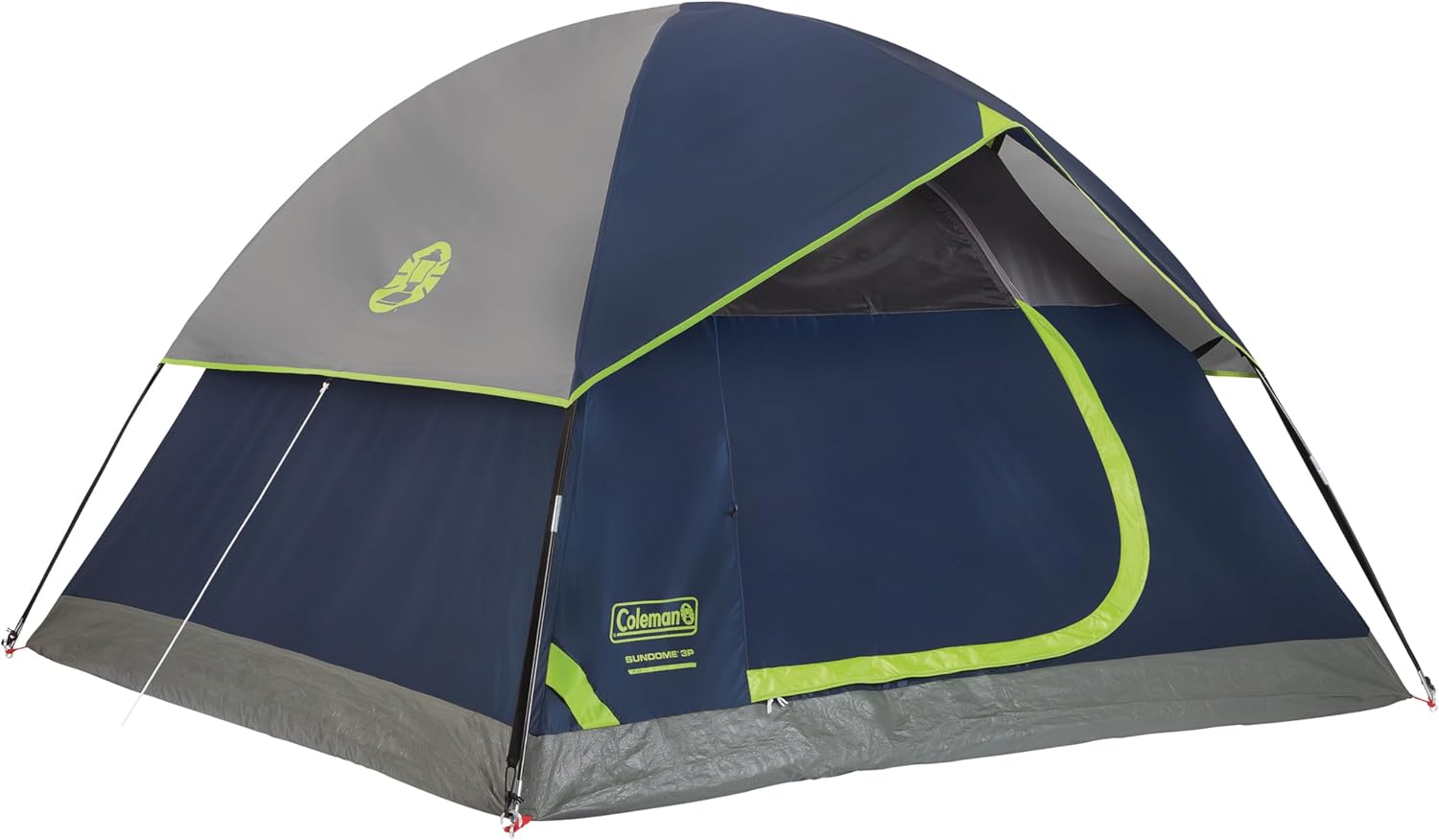
- Coleman Sundome Camping Tent — a weatherproof dome with a full rainfly that pitches in about ten minutes, which matters when you're racing a squall in off the water. New to it? Our tent setup guide walks it through and how to choose a tent covers sizing.
- Teton Celsius Sleeping Bag — comes in 25°F, 20°F, and 0°F ratings, and the 20°F is the right call here. Damp coastal air makes a 45-degree night feel considerably colder than the number suggests; see how to stay warm camping for the rest of the system.
- GCI Outdoor Freestyle Rocker XL — a folding rocker for the hours you'll spend watching weather come in off the Pacific. Our camping chair buying guide compares the styles.
Add extra tent stakes, a tarp for the picnic table, and rain shells for everyone, then work through our camping checklist before you load the car.
Final Tips
Book six months out for summer weekends, aim for spring or fall if you can, take a yurt if you're going in winter, and pack for wind and rain rather than cold. Give yourself one stretch of coast rather than trying to drive all 363 miles — the south coast between Bandon and Brookings is the least crowded and arguably the prettiest. For the same kind of trip one state north, our Washington state camping guide covers the Olympic Peninsula and the Cascades.