
Fort Pickens Campground in Florida: The Complete 2026 Camping Guide
A practical guide to Fort Pickens Campground on Pensacola Beach — all five loops, which have hookups, how Recreation.gov booking works, and the entrance fee.
Use this guide for
Better camping decisions, faster trip planning, and clearer gear choices. Use this article as your starting point, then keep going with related camping guides and practical help articles below.
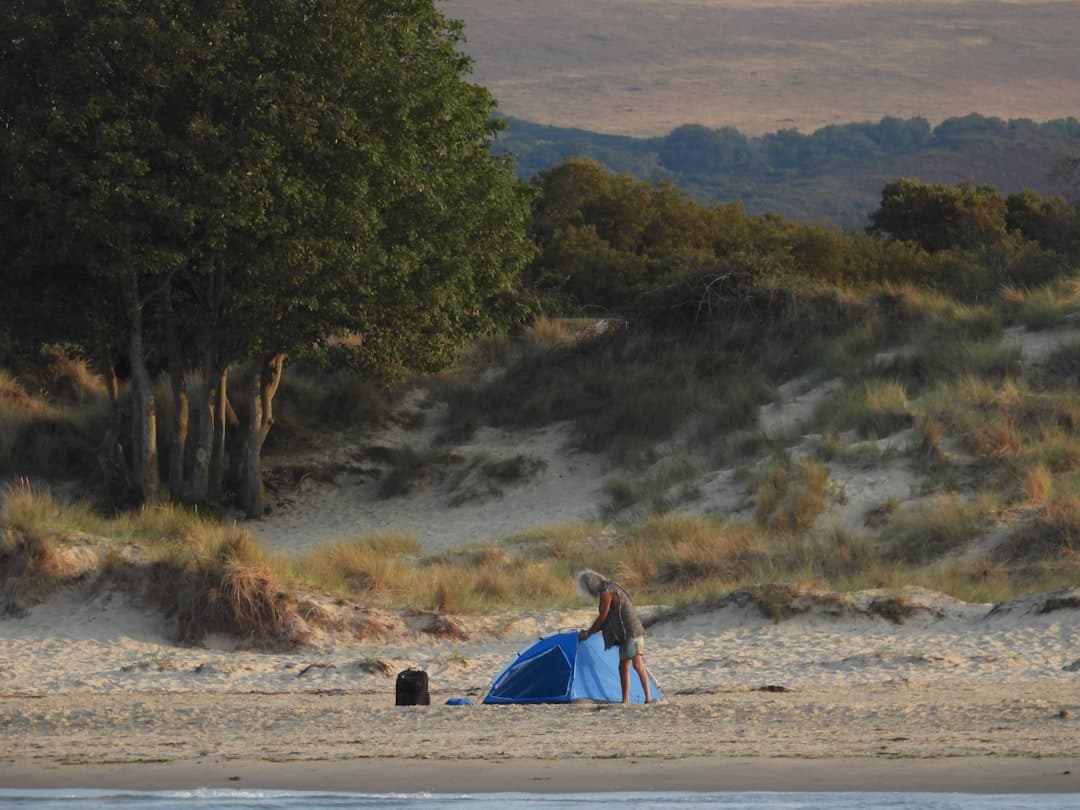
Fort Pickens Campground in Florida is the rare place where you can sleep a hundred yards from the Gulf of Mexico, walk to a 19th-century brick fortress before breakfast, and still plug your RV into 50-amp power. It sits at the western tip of Santa Rosa Island inside Gulf Islands National Seashore, about a twenty-minute drive past the crowds of Pensacola Beach, and it is one of the best-value beach campgrounds anywhere on the Gulf Coast.
It is also one of the most commonly misunderstood. It is not a Florida state park, it is not a national park, and — unlike almost every other campground we cover in Florida — it genuinely does book on Recreation.gov. Here's how it actually works.
Fort Pickens Campground: The Basics
The campground address is 1400 Fort Pickens Road, Pensacola Beach, FL 32561. Park headquarters is at 1801 Gulf Breeze Parkway, Gulf Breeze, FL 32563, and the main park number is 850-934-2600.
- 177 campsites across five loops, A through E. That breaks down to roughly 137 family sites with electric (20/30/50 amp) and water hookups, 40 non-electric tent sites, and one non-electric group tent site with a water spigot. Six of the electric sites and two of the non-electric sites are wheelchair accessible.
- Every loop has flush toilets, hot showers, and drinking water, and there is a dump station. There is no sewer hookup at individual sites.
- Open year round. Sites have a picnic table and a grill or fire ring.
- Stay limits: 14 consecutive nights maximum, and 42 nights total in a calendar year.
- Two vehicles maximum per site, and every wheel — including the tow vehicle — has to sit on the paved pad.
The Fort Pickens Campground Map: Loop A, B, C, D and E

This is the part worth reading before you book, because the five loops are genuinely different campgrounds sharing one entrance road. Pull up the campground map on Recreation.gov and match it against this:
- Loop A — electric and water, and the most tree cover in the campground. That shade is the single best amenity here in July. The catch: there is a 12-foot maximum vehicle height in Loop A because of a low-hanging live oak limb across the loop road. Measure your rig's A/C unit before you reserve an A site.
- Loop B — tent only, no hookups, centralized water spigots. Generators are prohibited, which makes it the quietest loop.
- Loop C — power and water, open to tents, pop-ups, trailers and RVs. Generators are also prohibited in C.
- Loop D — no hookups, centralized water. Tents, pop-ups, pickup campers and trailers.
- Loop E — power and water, open to everything. The most open and least shaded of the loops, which cuts both ways: easy to back a big rig in, brutal at 2 p.m. in August.
If you want shade, aim at A. If you want quiet, aim at B. If you have a 38-foot fifth wheel, you want E.
Site photos are worth as much as the map here. A dune-side site looks identical to an interior site on a map and completely different in person — one has a sea breeze and no shade, the other has scrub oak and mosquitoes.
Fort Pickens Campground Reservations: Recreation.gov Is Correct Here
We spend a lot of these guides telling people that Recreation.gov is the wrong system. Fort Pickens is the exception, and it's worth saying plainly:
Fort Pickens Campground is a National Park Service campground and it books on Recreation.gov, or by phone at 1-877-444-6777.
- Sites open for reservation up to 6 months in advance, on a rolling window.
- It is not on FloridaStateParks.org, because it is not a Florida state park.
- It is not on ReserveAmerica.
- Snowbird season (January through March) and spring break fill the electric loops at the six-month mark. Summer weekends fill too, but later.
Check-in: you can go directly to your reserved site after 1 p.m. Check-out is by 11 a.m. Cancellations shake loose constantly at a 177-site campground — re-checking a "full" week a few days out is two minutes well spent.
Fort Pickens Campground Prices, and the Entrance Fee Nobody Budgets For
Recent nightly rates run about $40 for a standard electric site and about $26 for a tent-only non-electric site. Federal rates change, so confirm the number at booking.
The line item that surprises people is separate from the campsite: Gulf Islands National Seashore charges an entrance fee to get into the Fort Pickens Area at all.
- Private vehicle: $25, good for 7 consecutive days
- Motorcycle: $20
- Per person on foot or bicycle (16+): $15
- Annual Gulf Islands pass: $45 — worth it if you're staying more than a week or coming back
- An America the Beautiful interagency pass covers it.
Two things to know at the gate: the park does not accept cash — credit cards only — and there is a $1 toll bridge onto Pensacola Beach on the way in.
Gate Hours and Getting There
From I-10, take Exit 12 to I-110 South, follow the signs toward the beaches on Highway 399, cross the toll bridge, and turn west onto Fort Pickens Road.
- Entrance station gate: 5 a.m. to 8 p.m. (March 1 – October 31), 5 a.m. to 6 p.m. (November 1 – February 28)
- The fort itself: 8 a.m. to sunset, year round
- Overnight parking outside the campground is prohibited year round.
If you're rolling in late, plan your arrival around the entrance station hours, not the campground — registered campers get in, but you do not want to be figuring that out at 9 p.m. on a Friday.
Is Fort Pickens Campground Open? Closures and Hurricane Damage
The campground operates year round, but the honest answer to "is it open" is: check the park's alerts page before you drive.
Fort Pickens Road is a single two-lane road down a narrow barrier island, and it is the campground's one point of failure. Hurricanes — Ivan in 2004, Sally in 2020 — have washed it out and closed the whole Fort Pickens Area for extended stretches, and tropical storms routinely overwash it for a few days. Individual loop restrooms also close for rehab work from time to time. None of that shows up in a six-month-old reservation confirmation, so look at nps.gov/guis alerts the week you travel and again the day before.
Things to Do Besides Camp
The fort is the reason the campground exists. Fort Pickens was built between 1829 and 1834 out of roughly 21.5 million bricks, largely by enslaved laborers. It was one of the few Southern forts to stay in Union hands for the entire Civil War, and from October 1886 to May 1887 it held Geronimo and his Apache warriors as prisoners. It stayed an active military post until 1947. Admission is included with your entrance fee, and self-guided tours run all day.
Also in the Fort Pickens Area:
- Battery Worth and Battery Cooper — later concrete gun batteries, plus the Battery Worth picnic area and trailhead
- Langdon Beach — lifeguarded Memorial Day through Labor Day, with accessible beach wheelchairs available
- The Fort Pickens fishing pier — and unusually, no fishing license is required on that pier
- The park store, the Ferry Plaza, and the restored Santa Rosa Life-Saving Station
- Seasonal ferry service, Friday through Sunday, from downtown Pensacola and Pensacola Beach
Two Name Corrections Worth Making
"Fort Pickens State Park" doesn't exist. Fort Pickens is federal — a unit of Gulf Islands National Seashore, run by the National Park Service. The confusion is understandable, because there is a Fort Pickens State Aquatic Preserve: a Florida-managed protected area covering the surrounding waters, not the land, the fort, or the campground. If you're looking for a campsite, you want the federal system.
It's a national seashore, not a national park. "Fort Pickens National Park" gets searched far more than the correct name, but Gulf Islands is a national seashore. Practically this matters in one place: your America the Beautiful pass works, but searching "national parks in Florida" will point you at Everglades, Biscayne and Dry Tortugas and quietly skip the best beach campground in the state.
Fort Pickens vs. Florida's State Park Campgrounds
If Fort Pickens is booked — and in March it will be — the fallback isn't another federal campground, it's the state system. Our Florida state parks camping guide covers how ReserveAmerica works and which coastal parks hold sites the longest. On the Atlantic side, Jetty Park in Cape Canaveral is the closest equivalent in feel: beach camping with hookups and a fishing pier, run by a port authority rather than the feds. Farther up the coast, Hanna Park in Jacksonville and Jekyll Island in Georgia are both worth a look, and each books through its own separate system.
Recommended Gear
Beach camping on a barrier island punishes gear that works fine in the woods. Sand gets into everything, the afternoon sun is relentless, and Gulf thunderstorms arrive fast.
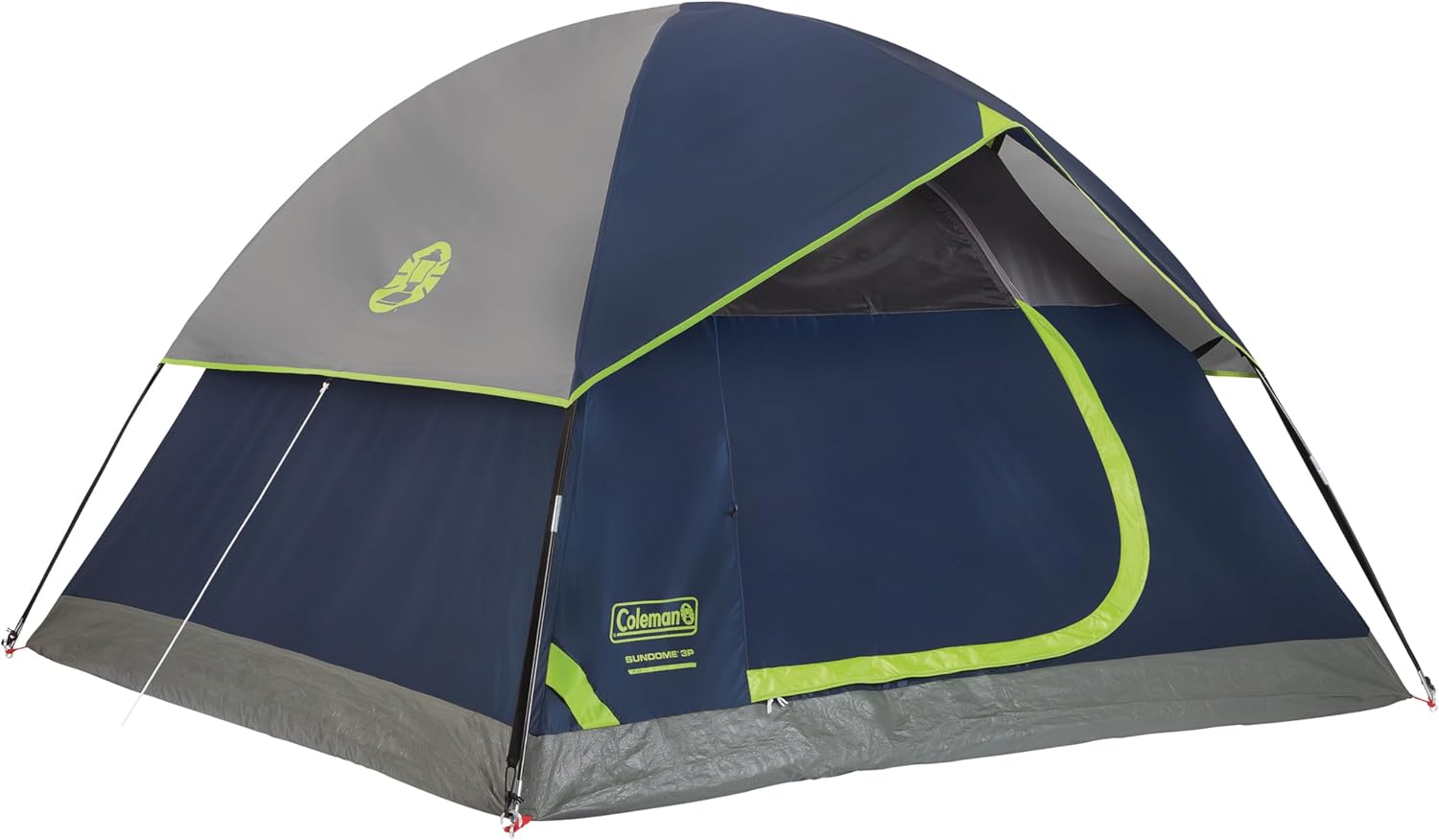
- A weatherproof dome tent with a full rainfly is the right call for the B and D tent loops — the Coleman Sundome sets up in about ten minutes, which matters when a squall line is coming off the water.
- A wide-footed camp chair beats a spindly backpacking chair on sand, where narrow feet sink. The GCI Outdoor Freestyle Rocker XL is the one that stays upright.
- If you land a Loop A site, the live oaks that create the height restriction also make it the one loop where a camping hammock is genuinely usable. Bring tree straps.
Add a shade tarp, more water than you think, and real bug repellent for the dune grass at dusk — then go watch the sun set behind the fort.