
Hammocks Beach State Park Camping: The Complete 2026 Guide
Camping at Hammocks Beach State Park in NC — Bear Island's primitive sites, the ferry and paddle routes, reservations, sea turtle season, and what to pack.
Use this guide for
Better camping decisions, faster trip planning, and clearer gear choices. Use this article as your starting point, then keep going with related camping guides and practical help articles below.
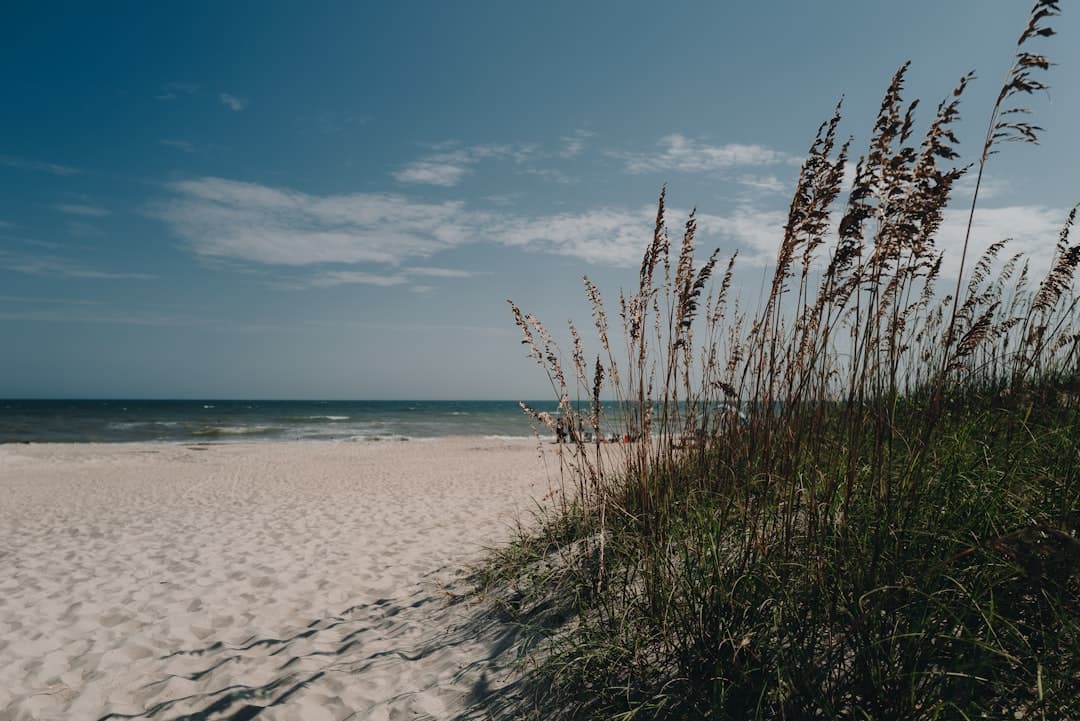
Hammocks Beach State Park camping is the rare kind that starts with a boat ride. The campsites sit on Bear Island — an undeveloped barrier island off Swansboro on North Carolina's Crystal Coast — with no bridge, no road, and no way to drive your gear to the door. You take the park's passenger ferry or paddle the marked trail across the marsh. In exchange you get roughly three and a half miles of Atlantic beach with a handful of campsites on it and essentially nothing else.
(One naming note: the "hammocks" here are maritime hammocks, the wooded ridges standing above the salt marsh — not the hanging kind.)
Why Camp on Bear Island
Most East Coast beach camping means a campground behind a dune line with a parking lot attached. Bear Island is the opposite. Because everything arrives by water, the island empties out when the last ferry leaves, and overnight campers get an undeveloped Atlantic beach to themselves — no cars, no lights, no houses on the horizon. The mainland side has the visitor center and kayak launch; the camping all happens across the water.
Getting There: Ferry or Paddle
The passenger ferry runs seasonally from the mainland park, generally spring through fall, fullest in summer and reduced on either side of it. It carries people and gear, not vehicles. Check the park's current schedule before you commit to a date — the season and daily runs shift year to year, and rough water can cancel a crossing outright.
Paddling is the other way over, and for many campers the better one. A marked trail runs from the mainland launch through the marsh to the island, roughly a couple of miles depending on your route. Plan it around the tide, not the clock. Paddling is also the only way across in winter, when the ferry isn't running.
Either way, you carry everything from the landing to your site. The park keeps carts at the island landing, but they go fast on a busy weekend and the beach sites are a real haul through soft sand. Pack like a backpacker, not a car camper.
The Campsites
Bear Island has a small number of primitive sites — about fourteen, plus separate group sites — split between the sound side near the landing and the ocean side behind the dunes. Primitive is literal here: a cleared spot, and that is roughly it.
- No hookups, no water, and no showers at the sites. Carry in what you need.
- A seasonal bathhouse near the main beach access has restrooms and cold showers, but it is not open year-round.
- Sound-side sites are shorter carries and better sheltered. Ocean-side sites put you over the dune from the surf and take the full wind.
- Fires are restricted — confirm the current rule with the park office rather than assuming, since coastal fire rules shift with conditions and turtle season.
Reservations
Sites are reserved through the North Carolina State Parks reservation system, and with only a dozen or so of them, summer weekends go early. Book as soon as your window opens and treat the ferry schedule as part of the booking: a site you can reach on Saturday but not leave on Sunday is not a plan. If you strike out, check back — cancellations are common in the last two weeks before a date.
Sea Turtles and What Else to Do
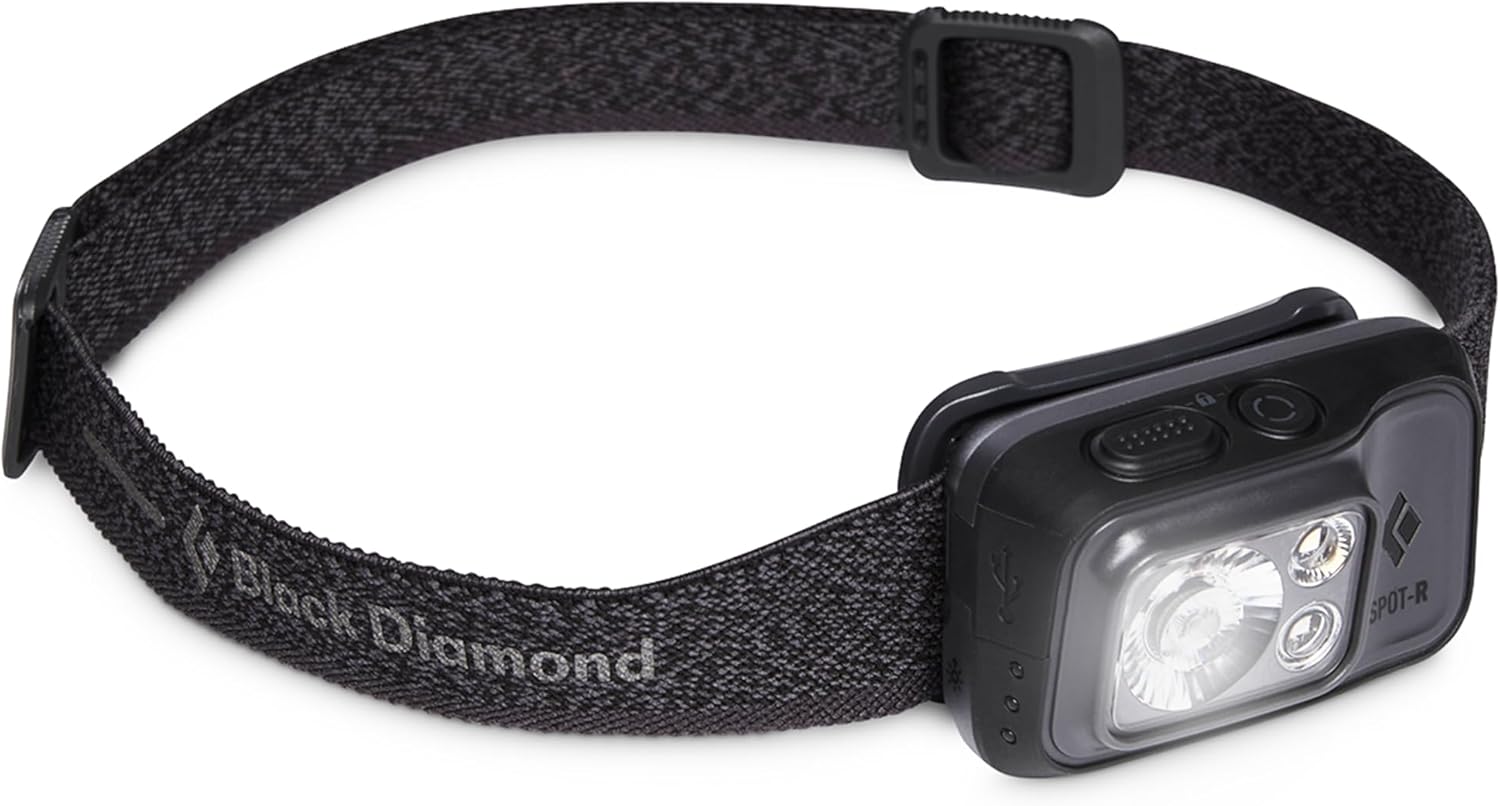
Bear Island is an active loggerhead nesting beach from roughly May into August, with hatchlings emerging through late summer. That shapes the trip: keep white light off the beach at night, leave marked nests alone, and fill in any holes you dig before you go, because hatchlings fall into them. A red-mode headlamp is the right tool here.
Otherwise the island is for walking the surf line, shelling — the inlet ends are the productive spots — fishing, and swimming without lifeguards. Bring a chair and a book.
Best Time to Go
Late spring (May–early June) and September–October are the sweet spots: warm water, thin crowds, far fewer biting insects. July and August are hot, humid, buggy, and fully booked, with afternoon thunderstorms most weeks — if that is your window, read camping in the rain first. Winter camping is legal and beautifully empty, but you're paddling in and the wind off the water is serious.
What First-Timers Should Know
- Most sites have no shade. Bring a tarp or beach shelter; the maritime forest doesn't extend to the sand.
- Carry more water than you think. A gallon per person per day, and don't count on the bathhouse.
- Stake for wind. Sand stakes or deadman anchors hold on a barrier island; standard stakes pull straight out.
- The bugs are real. Mosquitoes and biting flies own the marsh side at dusk — long sleeves and repellent.
- Watch the ferry clock. Missing the last run is the classic Bear Island mistake.
- Pack it all out. No trash service, and what you leave stays on a nesting beach.
Read our camping safety tips before you go, and check the marine forecast — not just the land forecast — the morning you cross.
Recommended Gear for Hammocks Beach Camping
Wind, sun, sand, and a long carry from the landing are what you're packing for. These three cover the core:
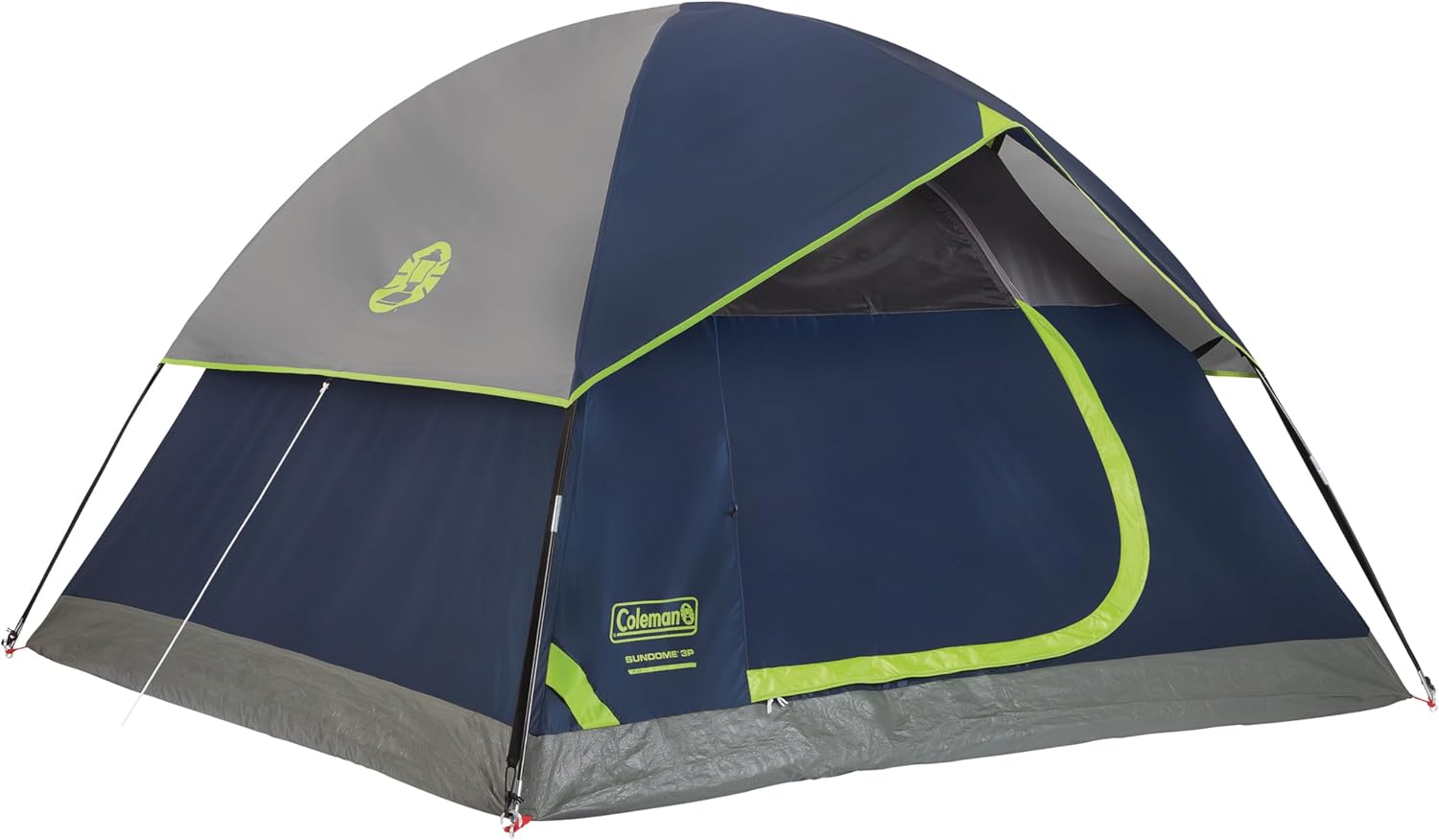
- Coleman Sundome Camping Tent — a freestanding dome you can pitch fast and move if you misjudge the wind, which matters on an open barrier island. New to it? Our tent setup guide walks it through and how to choose a tent covers sizing. Bring sand stakes; the ones in the box aren't enough here.
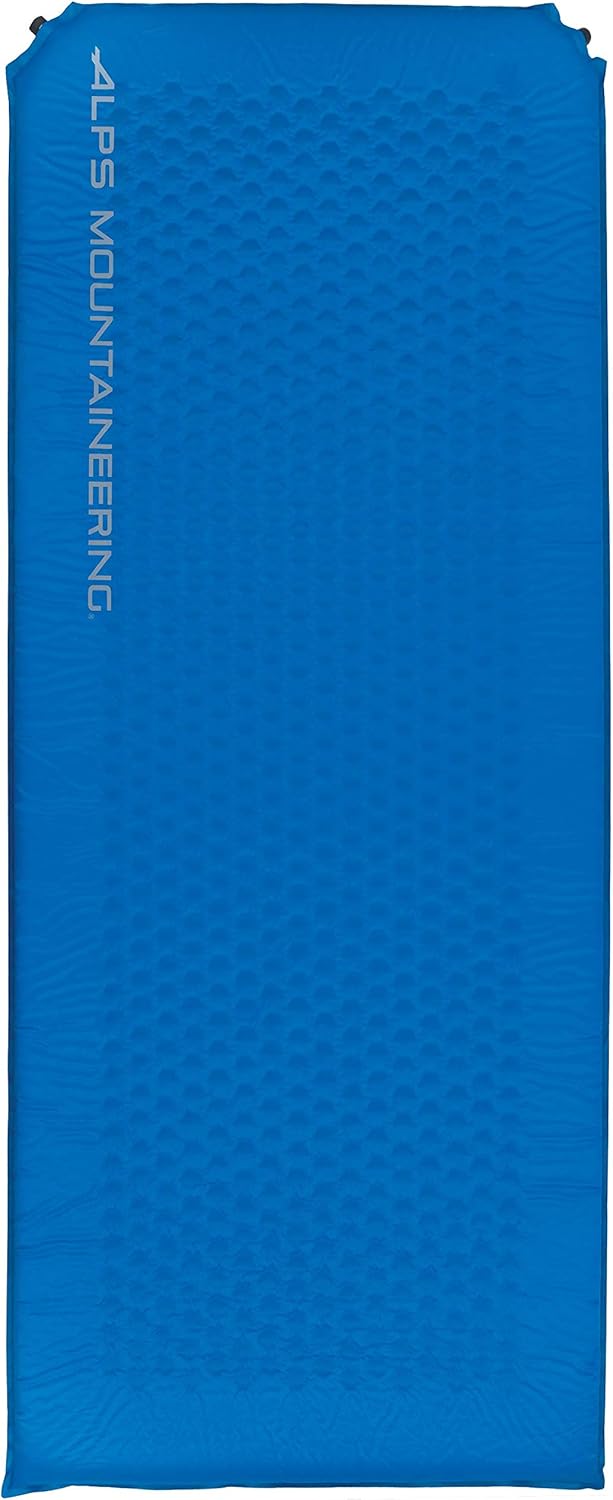
- ALPS Mountaineering Flexcore Self-Inflating Air Pad — sand looks soft and sleeps hard, and a pad keeps you off ground that stays damp near the sound. See do you need a sleeping pad if you're on the fence.
- Black Diamond Spot 400-R Rechargeable Headlamp — there is no lighting anywhere on the island, and the red mode is what keeps you turtle-safe after dark. Our headlamp guide compares the options.
Add a dry bag for anything that must stay dry on the crossing, a beach shelter, and plenty of water, then run through our camping checklist before you load the boat.
Final Tips
Give yourself two nights — the first is mostly ferry logistics, the second is the one you came for. Book the shoulder season if you can, take a sound-side site your first trip and an ocean-side one once you know the carry, and pack every item like you'll be hauling it a quarter mile through sand, because you will. For more Southeast beach camping, our Florida state parks camping guide covers the next coast south, and tent camping essentials is the packing baseline.