
Best Family Tents (2026): Family Camping Tents by Size & Style
Compare the best family camping tents by size, weather protection, and setup speed — cabin vs dome, tents for a family of 4, 5, or 6, and what to buy in 2026.
Use this guide for
Better camping decisions, faster trip planning, and clearer gear choices. Use this article as your starting point, then keep going with related camping guides and practical help articles below.
The best family tents balance space, weather protection, setup speed, and durability. A tent that feels roomy enough for a weekend with kids can still become frustrating if it leaks in rain, traps heat, or takes too long to pitch at dusk. This guide focuses on what matters most before you buy.
What makes a good family tent
For most group trips, the best family tents share a few traits:
- Enough floor space for sleepers plus bags
- A peak height that lets adults stand up
- Good ventilation for warm-weather camping
- A rainfly that actually covers the tent body well
- A simple setup that one or two adults can handle
If a tent is only big on the box but weak in weather protection or awkward to pitch, it usually feels smaller in real use.
Tent size: do not buy too small

Tent capacity ratings are optimistic. A 6-person tent usually sleeps six only if everyone is packed tightly with no room for duffels or cooler access.
Use this rule of thumb:
- 4-person tent: works best for 2 adults plus gear
- 6-person tent: comfortable for a small family
- 8-person tent: better for larger families or families who want extra space
If you camp with children, more floor space usually matters more than shaving a few pounds.
Best family tent styles
Cabin tents
Cabin tents use steeper walls and tall ceilings, so they feel open and comfortable. They are excellent for campground trips and longer weekends where comfort matters more than pack size.
Best for:
- Car camping
- Families with kids
- Campers who want standing room
Dome tents
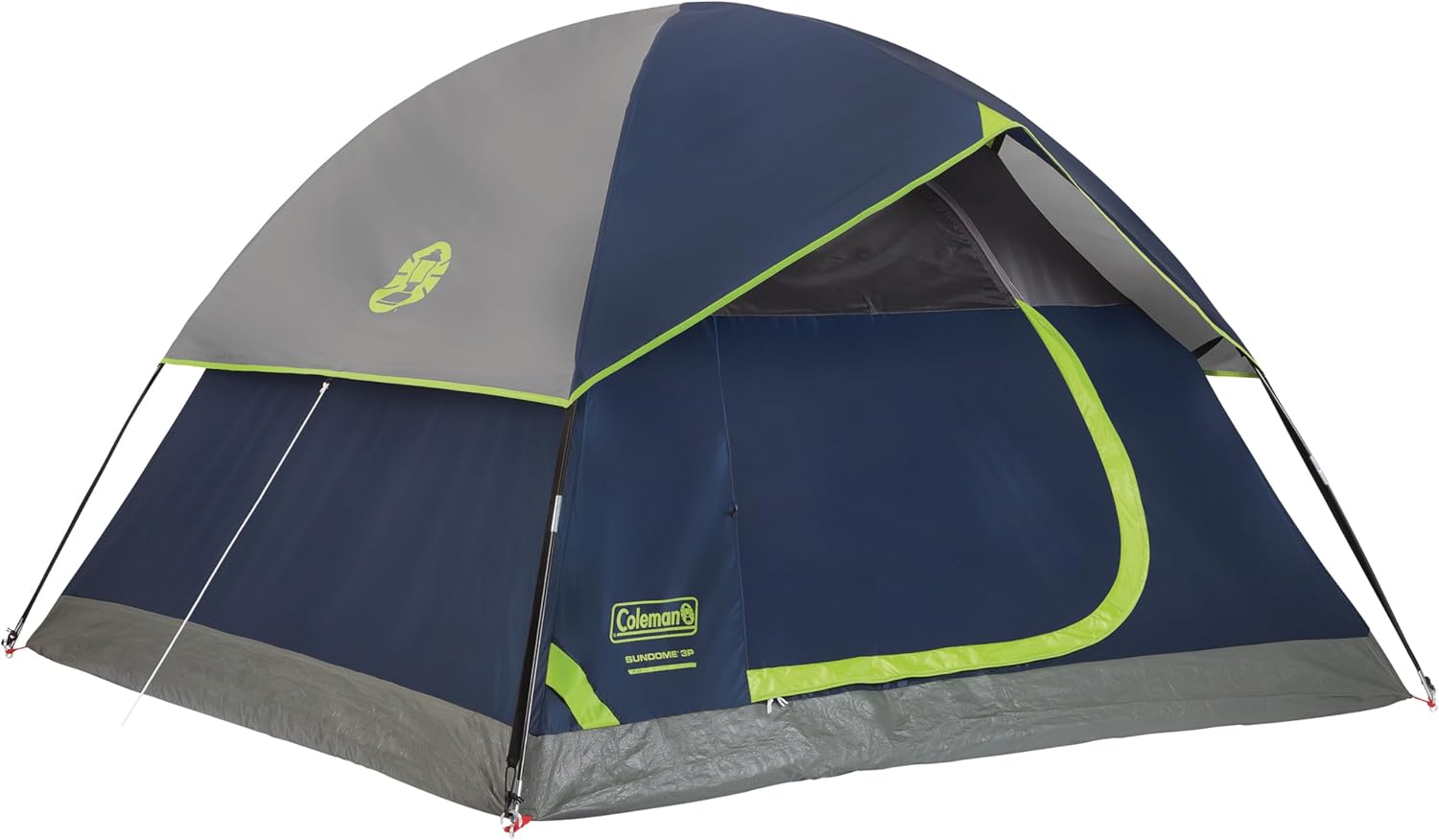
Dome tents usually handle wind better and can be easier to pitch. They are a good middle ground when you want better weather performance without going fully technical.
Best for:
- Mixed weather
- Smaller families
- Campers who want a lighter, simpler tent
Instant tents
Instant tents trade some strength and packability for very fast setup. They are appealing for beginners, quick weekend trips, and families arriving late to camp.
Best for:
- Fast setup
- Beginner campers
- Frequent campground trips
Features worth paying for
Full rainfly coverage
A partial fly may be fine in fair weather, but it leaves more fabric exposed in wind and rain. For a family tent, better weather protection is almost always worth it.
Vestibule or awning space
A covered area outside the sleeping space helps keep muddy shoes, bags, and wet jackets out of the tent body.
Strong ventilation
Large mesh panels and roof vents help with condensation and keep the tent more comfortable during hot trips.
Quality zippers and poles
Family tents get opened, closed, and moved constantly. Cheap zippers and weak hubs fail earlier than almost anything else.
Best family tent setups by use case
- Best for beginners: an instant or simple cabin tent with clear setup steps
- Best for bad weather: a dome-style family tent with full rainfly coverage
- Best for summer campground trips: a tall cabin tent with strong airflow
- Best for longer stays: a larger tent with room divider, vestibule, and storage pockets
Best family camping tents by family size
Capacity ratings tell you the maximum, not the comfortable number. Here is how the best family camping tents map to real family sizes:
Best camping tent for a family of 4
A 6-person dome or cabin tent gives a family of 4 room for two adults, two kids, and duffels without crowding. Pick a dome style if your usual campsites see wind and rain, or a cabin style if standing room matters more.
Best tents for a family of 5 or 6
Move up to an 8-person cabin tent. The extra floor space covers wider sleeping pads, a gear corner, and room to change clothes standing up — the things that make a tent feel livable by day two.
Best family size tents for larger groups
For six or more campers, look at 10-person tents with a room divider, or split into two smaller tents. Two 4-person tents are often easier to pitch, pack, and haul than one giant one, and they give parents and kids separate space.
Family tent buying mistakes to avoid
Buying by capacity number alone
Always think about gear, changing clothes, and how much time people will spend inside.
Ignoring packed size
Large cabin tents are great at camp, but they can dominate your vehicle if you already carry chairs, cooler, stove, and sleeping gear.
Overlooking campsite conditions
If you camp in exposed, windy areas, a tall tent can feel less stable than a lower dome design.
What to pair with a family tent
A bigger tent solves only part of the comfort equation. You still need a sleep system, camp kitchen, and organization plan that fit group camping.
Build around these companion guides:
Family tent FAQ
What is the best family camp tent for beginners?
An instant cabin tent. Setup takes minutes, the tall walls feel familiar, and most models forgive small pitching mistakes. Once you know how often you camp and in what weather, you can decide whether a sturdier dome design is worth the upgrade.
Is a cabin or dome tent better for family camping?
Cabin tents win for campground comfort: standing room, straight walls, and easier organization. Dome tents win in wind and sustained rain. If most of your trips are fair-weather campground weekends, choose the cabin. If you camp in exposed or unpredictable conditions, choose the dome.
How big a tent does a family actually need?
Take the number of sleepers and add two to the capacity rating. A family of four is comfortable in a 6-person tent; a family of six wants an 8-person tent. The extra rating covers gear, kids' sprawl, and rainy-day time spent inside.
Final take
The best family tents are the ones that make group camping easier, not just larger on paper. Prioritize usable space, simple setup, and dependable weather protection first. Once you narrow those, the right choice usually becomes obvious.