
Sleeping Bear Dunes Camping: The Complete 2026 Guide
Camping at Sleeping Bear Dunes National Lakeshore — D.H. Day and Platte River campgrounds, backcountry and Manitou Island sites, reservations, and what to pack.
Use this guide for
Better camping decisions, faster trip planning, and clearer gear choices. Use this article as your starting point, then keep going with related camping guides and practical help articles below.
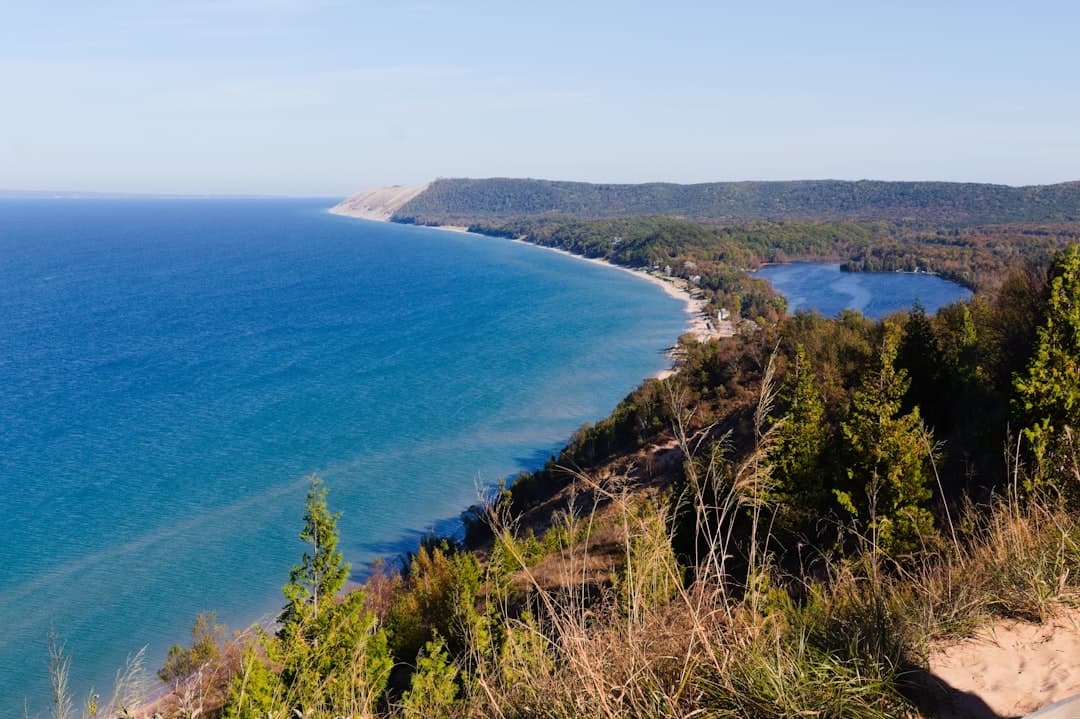
Sleeping Bear Dunes camping puts you on a stretch of Lake Michigan shoreline that a national television audience once voted the most beautiful place in America — 35 miles of coast where 450-foot sand bluffs drop straight into water the color of the Caribbean. Sleeping Bear Dunes National Lakeshore sits on Michigan's Leelanau Peninsula, about 25 miles west of Traverse City, and it packs two developed campgrounds, a hike-in backcountry site, and two wild offshore islands into one park. This guide covers where to camp, how to book, when to go, and what to bring.
Why Camp at Sleeping Bear Dunes?
The scale is what gets people. These are perched dunes — sand piled on top of glacial bluffs — so the drop from the Lake Michigan Overlook to the water is roughly 450 feet of loose sand at an angle that looks impossible from the top. Every year the park rescues hikers who ran down it and could not get back up.
Beyond the dunes there are beech-maple forests, inland lakes warm enough for kids, preserved nineteenth-century farmsteads, and a 22-mile paved trail linking most of it together. The night sky over the lakeshore is dark enough for a genuinely good look at the Milky Way.
Where to Camp: The Two Main Campgrounds
D.H. Day Campground near Glen Arbor is the rustic one — about 88 sites in a shaded stand of pines and hardwoods, a short walk from a quiet Lake Michigan beach.

- No hookups, vault toilets, and hand-pumped water. There are no showers.
- Small sites suited to tents and modest trailers; big rigs will struggle.
- Walking distance to the Sleeping Bear Heritage Trail and a few minutes' drive from Glen Arbor's shops.
Platte River Campground at the park's south end is the developed one — around 145 sites, and the choice for families and RVs.
- Electric and non-electric sites, plus walk-in tent sites for a quieter night.
- Flush toilets, hot showers, and a dump station.
- Sits on the Platte River, which is the park's best easy paddle: a gentle float that ends at the Lake Michigan beach.
Backcountry and Island Camping
White Pine Backcountry Campground is a small hike-in site on the mainland — a modest walk from the trailhead, no water, and the closest thing to solitude the mainland offers.
North and South Manitou Islands are the real adventure, reached by passenger ferry from Leland in season. South Manitou has three established campgrounds and the shipwreck of the Francisco Morazan visible offshore; North Manitou is nearly all wilderness. Bring everything, including a way to treat water, and build slack into your plans — if the lake gets rough, the ferry does not run and you stay another night.
Reservations
Both mainland campgrounds book through Recreation.gov on a rolling six-month window, and Platte River's electric sites for July and August tend to go the morning they open. Backcountry and island permits run through the same system. Everyone entering the park also needs a park pass, separate from your camping fee. If you strike out on a summer weekend, keep checking — cancellations are common in the two weeks before a date.
What to Do
- Pierce Stocking Scenic Drive — a 7.4-mile loop with the Lake Michigan Overlook. Do it at sunset.
- Dune Climb — the classic 284-foot wall of sand near Glen Arbor. The full trek across to the lake is 3.5 miles round trip through soft sand and takes most people three to four hours.
- Empire Bluff Trail — 1.5 miles round trip for arguably the best view in the park per unit of effort.
- Sleeping Bear Heritage Trail — 22 paved miles for bikes, strollers, and easy walking.
- Port Oneida — nineteenth-century farms left standing in open fields; quiet and genuinely worth an afternoon.
Best Time to Go
Late July through August brings the warmest Lake Michigan water and the fullest campgrounds. September is the sweet spot — the lake holds its warmth, the crowds thin out after Labor Day, and the peninsula's cherry and hardwood color starts in late September into early October. Spring is quiet and cheap but the water is painfully cold and the beach wind is constant. Winter closes the campgrounds; the park stays open for snowshoeing and cross-country skiing.
What First-Time Dunes Campers Should Know
- Do not run down the big dune. The climb back up takes hours, and rescues are billed. Use the marked Dune Climb instead.
- The lake sets the temperature. Nights in the 40s in June and September are normal even after a warm day. Pack layers in every season.
- Sand is relentless. Bring a doormat or old towel for the tent, and a jug of water for rinsing feet.
- D.H. Day has no showers. Plan around it or book Platte River.
- Cell service is spotty across much of the park. Download maps and your reservation before you arrive.
- Swimmer's itch turns up in warm, calm inland water some summers. Towel off briskly after swimming.
Give our camping safety tips a read before you go, and pack out everything you carry in.
Recommended Gear for Sleeping Bear Dunes Camping
Wind off Lake Michigan, cold nights, and unlit rustic campgrounds are what you're packing for. These three cover the essentials:
- Coleman Sundome Camping Tent — a freestanding dome that pitches fast and stakes down well, which matters at D.H. Day when the wind comes off the lake after dark. New to it? Our tent setup guide will get you pitched quickly, and how to choose a tent covers sizing.
- Teton Celsius Sleeping Bag — northern Michigan nights run far colder than the daytime forecast suggests, and a 20°F bag handles a 45-degree June night without cooking you in August.
- Black Diamond Spot 400-R Rechargeable Headlamp — D.H. Day has no lights and the vault toilets are a walk away. It's also what makes the park's dark skies worth staying up for. Our headlamp guide compares the options.
Add a sleeping pad, a windbreaker, and beach towels, then work through our camping checklist before you load the car.
Final Tips
Book Platte River for showers and hookups, D.H. Day for pines and quiet. Go the week after Labor Day if you can, and give yourself three days — one for the Dune Climb and Pierce Stocking, one for Empire Bluff and the Platte River float, and one for a Manitou ferry if the lake cooperates. For more of the Great Lakes in the same style, our Michigan camping guide covers the rest of the state, and the Indiana Dunes guide handles the southern shore.