
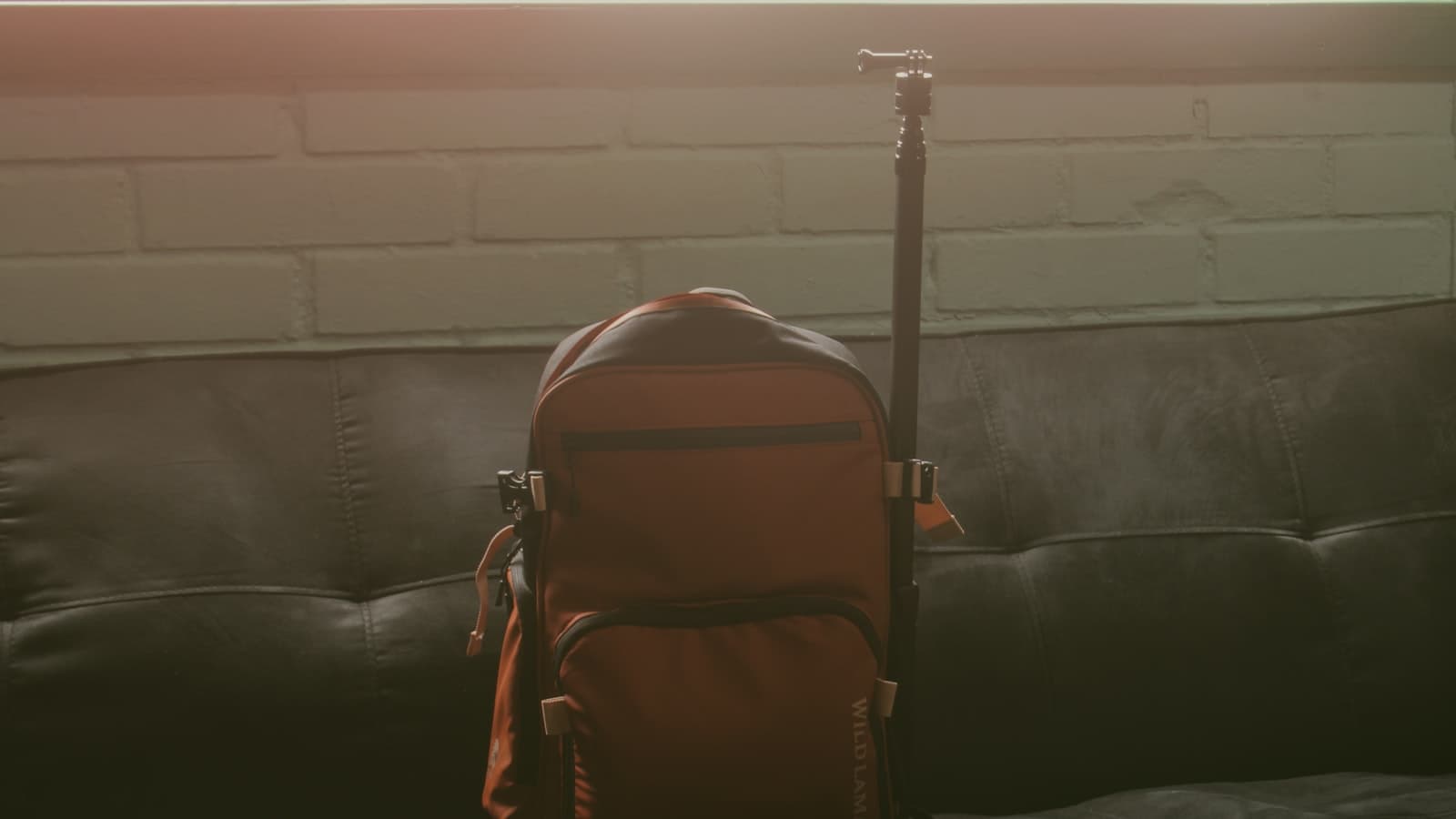
How to Pack a Backpacking Pack - Step-by-Step Guide
Learn how to pack a backpacking pack for comfort and balance. Proper weight distribution, gear order, and tips for a stable, comfortable load.
Use this guide for
Better camping decisions, faster trip planning, and clearer gear choices. Use this article as your starting point, then keep going with related camping guides and practical help articles below.
Knowing how to pack a backpacking pack correctly improves comfort, balance, and efficiency on the trail. A poorly packed pack can cause sore shoulders, an aching back, and unnecessary fatigue. This guide walks you through the right order and placement for your gear.
The Golden Rule: Weight Distribution
- Heavy items – Center of the pack, close to your back, between shoulder blades.
- Medium weight – Around the core, filling gaps.
- Light items – Bottom, top, and in exterior pockets.
This keeps the pack's center of gravity close to your body, reducing strain and improving stability.
Step-by-Step: How to Pack Your Backpacking Pack
Step 1: Line the Bottom (Sleeping Bag & Light Items)
Place your sleeping bag in a stuff sack at the very bottom. Add other soft, lightweight items (extra clothes, camp pillow) to fill the bottom compartment. These items are used at camp, not on the trail.
Step 2: Core Layer (Heavy Gear)
Above the sleeping bag, pack the heaviest items close to your back:
- Stove and fuel – Center, against your spine.
- Food – In the middle of the main compartment.
- Bear canister (if required) – Often rides in the center or top of the main compartment.
This keeps weight over your hips, where your hip belt transfers the load.
Step 3: Middle Layer (Medium Weight)
Surround the heavy core with medium-weight items:
- Tent – Usually strapped to the bottom or placed vertically along the back.
- Water filter – Accessible; top or side pocket.
- Still choosing one? See the best backpacking water filters.
- Rain gear – Near the top for quick access.
Step 4: Top (Frequently Needed Items)
Pack items you'll need during the day near the top or in the lid:
- Rain jacket
- Extra layer
- First aid kit
- Snacks
- Map and compass
Step 5: Exterior Pockets
Use side and front pockets for small, frequently accessed items:
- Water bottles – Side pockets.
- Sunscreen, bug spray – Front or lid pocket.
- Headlamp – Lid or side pocket.
- Trash bag – Easy to reach.
Packing by Trip Length
Day Hike
Light load. Focus on water, snacks, first aid, rain layer, and navigation. Most can fit in a daypack without strict zoning.
Overnight / Weekend
Full backpacking setup. Follow the steps above. Keep the pack under 25–30% of your body weight when possible.
Multi-Day
Same principles; more food and fuel. Consider resupply points to reduce weight. Backpacking freeze-dried meals can help keep food weight down.
Common Mistakes to Avoid
- Heavy items too low – Causes the pack to pull backward; strains shoulders.
- Heavy items too high – Makes you top-heavy; unstable on uneven terrain.
- Heavy items far from your back – Leverage increases perceived weight.
- Overstuffing – Hard to access items; pack loses shape.
- Loose items – Shift and cause imbalance. Use stuff sacks and compression.
Adjust Your Pack
After packing:
- Hip belt – Sits on hip bones; carries 80% of the weight.
- Shoulder straps – Snug but not digging in.
- Load lifter straps – Angle the top of the pack slightly toward you.
- Sternum strap – Keeps shoulder straps from slipping.
Practice
How to pack a backpacking pack is a skill that improves with practice. Do a trial pack at home, walk around, and adjust. Before a big trip, do a short test hike with a full load.
For more backpacking tips, see our guides on exercises for backpacking, how to use trekking poles, and best lightweight backpacking sleeping bags.