
Camping at Hanna Park, Jacksonville FL: The Complete 2026 Guide
A practical guide to Kathryn Abbey Hanna Park campground in Jacksonville — the campground map and loops, cabins, reservations, rates, hours, and the beach.
Use this guide for
Better camping decisions, faster trip planning, and clearer gear choices. Use this article as your starting point, then keep going with related camping guides and practical help articles below.
Camping at Hanna Park puts you in a shaded coastal hammock forest with 1.5 miles of Atlantic beach on one side and a 60-acre freshwater lake on the other — inside the city limits of Jacksonville, Florida. Kathryn Abbey Hanna Park is a City of Jacksonville park, not a Florida state park, and that single fact explains most of what people find confusing about booking it.
Here's what to know before you reserve.
Hanna Park Campground: The Basics
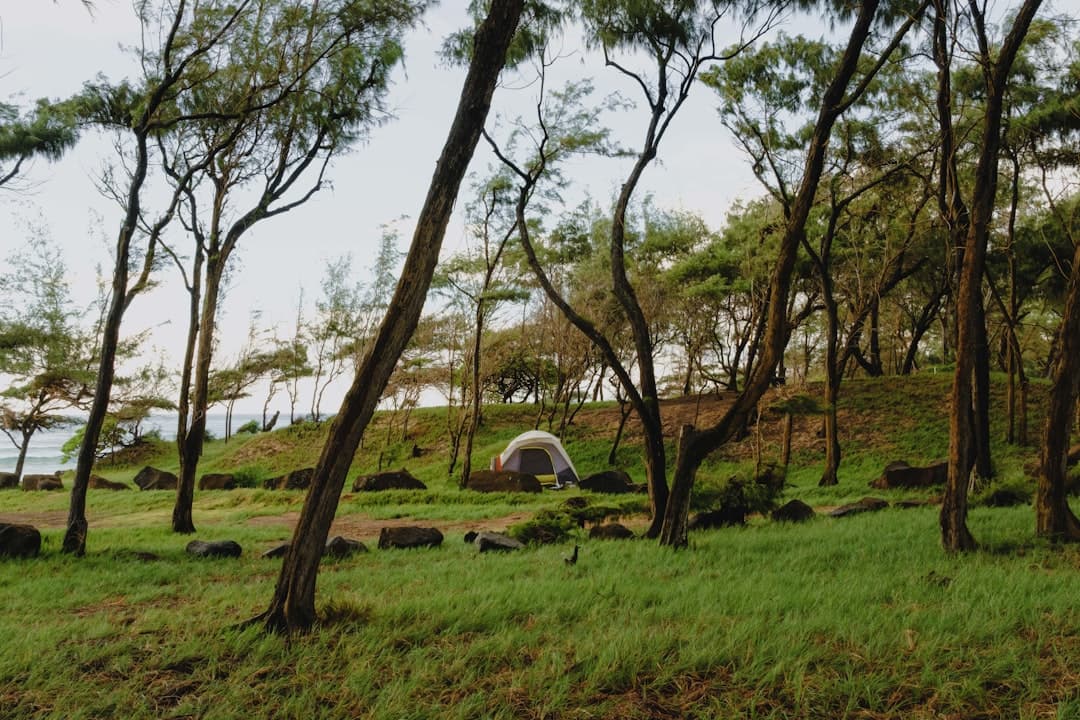
Kathryn Abbey Hanna Park sits at the north end of Jacksonville Beach, off Mayport Road in the Mayport area, next to Naval Station Mayport. The campground occupies the wooded interior of a roughly 450-acre park.
- It's a city park, not a state park. You won't find it on FloridaStateParks.org or ReserveAmerica, and it isn't on Recreation.gov either. Bookings go through the City of Jacksonville's own park system. This trips up a lot of first-time visitors who search the state park sites and conclude the campground doesn't exist.
- Roughly 300 sites across several loops, mixing RV sites with water and electric, a set of tent-only sites, and a handful of primitive walk-in sites.
- Heavy canopy over nearly every loop. Live oak, palmetto, and coastal scrub shade most of the campground — genuinely valuable in a Jacksonville July, and the reason a hammock earns its space in the car.
- Amenities are full-service: bathhouses with hot showers, a dump station, laundry, and a camp store near the entrance.
- There is a separate per-vehicle park entrance fee. Day visitors pay it at the gate; campers should confirm what their reservation covers so the entry charge isn't a surprise.
Is Hanna Park Campground on the Beach?

Not directly — and this is the most common wrong assumption.
The campground is set back in the woods. No site fronts the sand, and no site has an ocean view. What you get is a short walk or a two-minute bike ride to dune crossovers that open onto 1.5 miles of undeveloped Atlantic beach — one of the least-crowded stretches on Florida's First Coast. Camping in shade and walking to the water is the better trade in this climate anyway.
The Campground Map and Picking a Site
Pull up the Hanna Park campground map before you book, because the loops differ more than the site numbers suggest.
- Water-and-electric RV loops sit toward the interior and book the fastest. Pull-through sites are limited — if you're in a larger rig, filter for those first and reserve well ahead.
- Tent loops are quieter and cheaper, with more tree cover and more separation between neighbors.
- Primitive walk-in sites are the most private, but you're carrying gear and water in.
- The best campsites are on the outer edge of a loop, deep under canopy and away from bathhouse traffic. Shade plus a buffer neighbor beats being close to the shower building.
- Check the overhead. Dense oak canopy is the appeal, but tall RVs and rooftop A/C units need clearance. Look at site photos, not just the map, and call the park if you're unsure about a specific number.
Sandy soil, roots, and low branches mean conditions vary a lot within one loop. Campground photos are worth more here than the map alone.
Reservations, Rates, and Hours
- Reservations run through the City of Jacksonville, online or by phone. There's no state or federal booking portal for this campground.
- Fall through spring is peak. October through April is the pleasant window on the North Florida coast, and it fills first — weekends and holidays especially. Summer is easier to book and much harder to camp in.
- Rates vary by site type, with separate nightly and weekly pricing and a longer-stay rate. Confirm current pricing, extra-vehicle fees, and pet rules when you book.
- Check-in is early afternoon, checkout mid-morning. Confirm exact times, and ask about late arrival if you're driving in after the office closes — the park gate has posted hours and they're earlier than most people expect.
- The campground is open year-round, but the park gate closes at night, so a midnight arrival is not a plan. Verify current gate hours before you drive.
Cabins and Other Lodging
Hanna Park has a small set of rustic cabins in addition to campsites. They're basic — think a roof, beds, and power rather than a full kitchen — and there are only a few, so they book out further ahead than any campsite. If you want one, plan months out for a peak-season weekend and have a tent-site backup in mind.
What There Is to Do
This is the rare urban campground where the park itself is the destination.
- Mountain biking is the headline. Hanna Park has one of the best trail systems in Florida — roughly 20 miles of singletrack winding through the coastal forest, with beginner through advanced loops. Riders drive in from across the Southeast for it.
- The 60-acre freshwater lake has kayak, paddleboard, and pedal-boat rentals in season, plus a swimming area and a splash park that makes this an easy trip with kids.
- Surfing and beach access. The Mayport end of the beach picks up decent swell, and the undeveloped shoreline means no condo wall behind you.
- Sea turtle nesting season runs May through October. Beach lighting is restricted to protect hatchlings — use red light near the dunes after dark and keep white light pointed down and inland.
What to Actually Prepare For
- Humidity, not just heat. June through September is heavy. Plan mornings and evenings outdoors and a shaded midday indoors or on the water.
- Afternoon thunderstorms. Summer storms build fast and hit hard. A tent with a full-coverage rainfly is not optional here.
- Mosquitoes and no-see-ums, especially at dusk near the lake and in the wooded loops. Repellent, long sleeves after sundown, and a screened shelter if you have one.
- Sandy, soft ground. Bring longer stakes than the ones in the tent bag — the short ones pull out of loose sand in a storm.
- Naval Station Mayport is next door. You'll hear aircraft occasionally. It's a real feature of the soundscape, not a defect in your site choice.
Recommended Gear
Three things do the most work at a hot, humid, sandy, wooded coastal campground like this one.
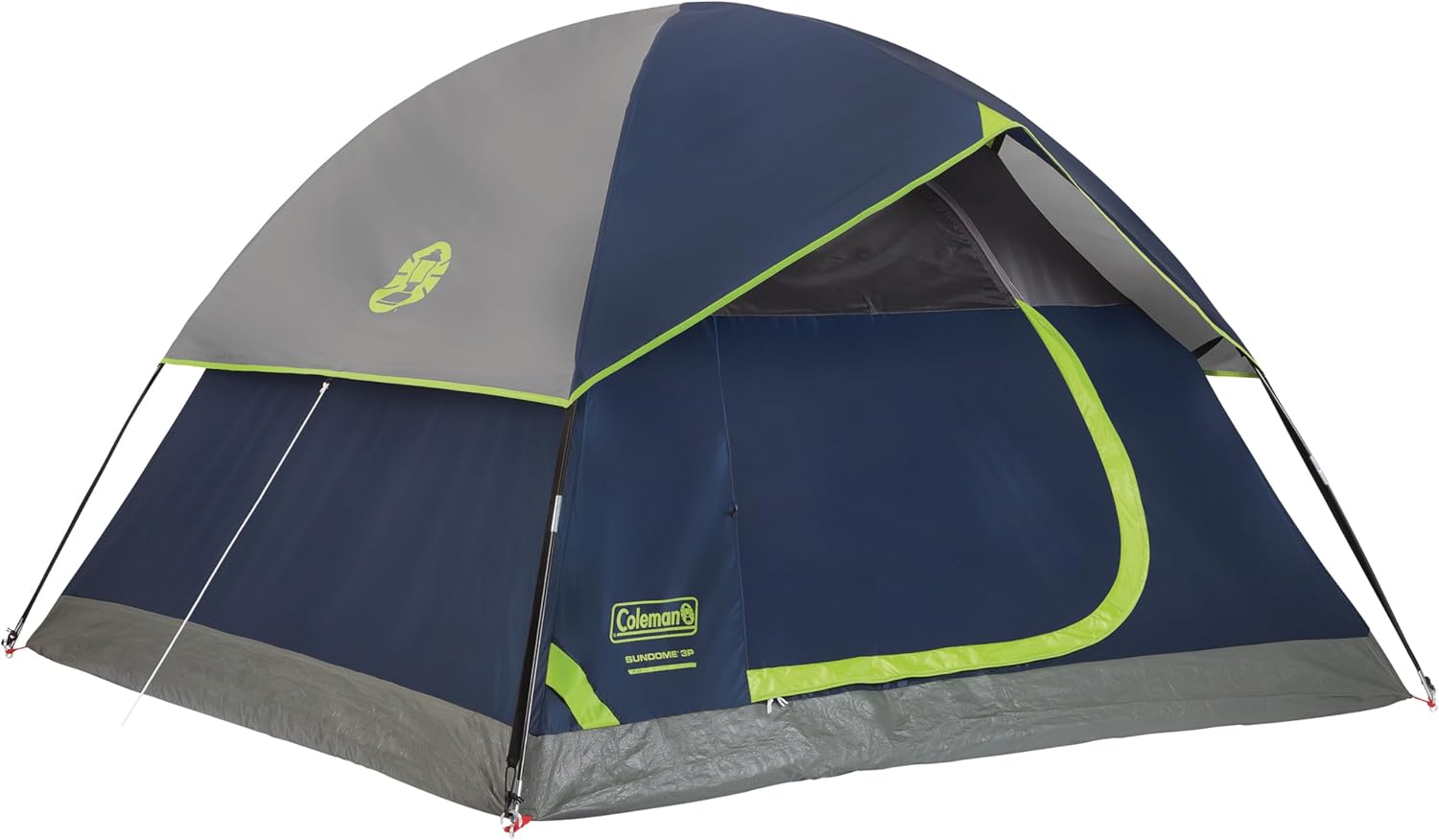
A Coleman Sundome tent handles the two things Hanna Park will throw at a shelter: sudden afternoon downpours and steady coastal humidity. The full rainfly matters more than the floor plan here, and a 10-minute setup is welcome when a storm cell is visibly closing in over the Atlantic.
A Wise Owl Outfitters camping hammock is close to purpose-built for this campground. Nearly every site has two well-spaced oaks, the canopy is the whole reason to camp here rather than at a beachfront RV park, and hanging in the shade is the correct way to spend a Jacksonville afternoon between a morning ride and an evening on the sand.
A GCI Outdoor Freestyle Rocker XL solves the sand problem. Standard camp chairs sink and tip on soft ground; a wider, sturdier rocker stays put, and after 20 miles of singletrack you'll want the back support.
Nearby Camping Worth Pairing
If you're building a Florida coastal trip, Hanna Park pairs well with a few others we've covered:
- Camping at Jetty Park — the Space Coast equivalent, with rocket launches instead of singletrack.
- Camping at Jekyll Island, GA — about 90 minutes north, and the natural second stop on a coastal drive.
- Florida State Parks Camping — the statewide overview, useful for filling in the rest of the itinerary.
- Huntington Beach State Park Camping — further up the Atlantic coast in South Carolina.
The Bottom Line
Hanna Park is the best value in Jacksonville camping and one of the few campgrounds anywhere that gives you singletrack, a freshwater lake, and an uncrowded Atlantic beach from the same site. Book through the City of Jacksonville rather than the state park system, target the outer edge of a shaded loop, come between October and April if you have the choice, and bring stakes that hold in sand.