
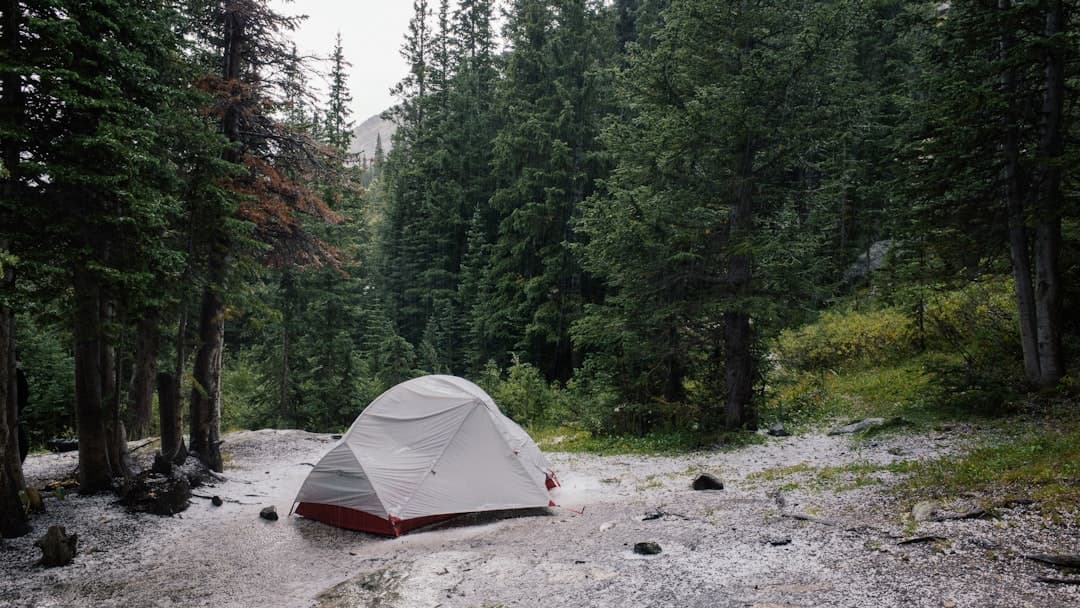
Camping in the Rain: How to Stay Dry and Have Fun
Don't let rain ruin your trip. Learn how to camp in the rain comfortably with the right gear, setup tips, and mindset to stay dry and enjoy it.
Use this guide for
Better camping decisions, faster trip planning, and clearer gear choices. Use this article as your starting point, then keep going with related camping guides and practical help articles below.
Camping in the rain gets a bad reputation, but experienced campers know it can actually be one of the most peaceful experiences in the outdoors. The sound of rain on a tent, the smell of wet earth, the dramatic light through storm clouds — it's all part of what makes camping feel wild and real. The key is preparation.
With the right gear and a few smart habits, camping in the rain doesn't have to mean a miserable, soggy trip. Here's how to do it well.
Choose the Right Campsite
Where you pitch your tent matters more in wet weather than any other time.
- Avoid low-lying areas and dry creek beds. These can flood quickly when rain hits upstream.
- Look for natural shelter. A spot under a dense canopy of trees blocks a lot of rain and breaks the wind. Avoid camping directly under large dead branches, though — wet wood falls more easily.
- Tilt favors drainage. Set up on a slight incline so water flows away from your tent, not underneath it.
Set Up Your Tent Correctly
Even a fully waterproof tent leaks if it's set up wrong.
- Always use your rainfly. Many campers skip it on clear nights and get caught out when weather turns. Get in the habit of always pitching with the rainfly from the start.
- Stake out the guylines. In wind-driven rain, a properly staked tent is significantly drier than a floppy one. The rainfly needs tension to shed water correctly.
- Keep the tent door facing away from wind. Opening the door on the windward side lets rain blow straight in.
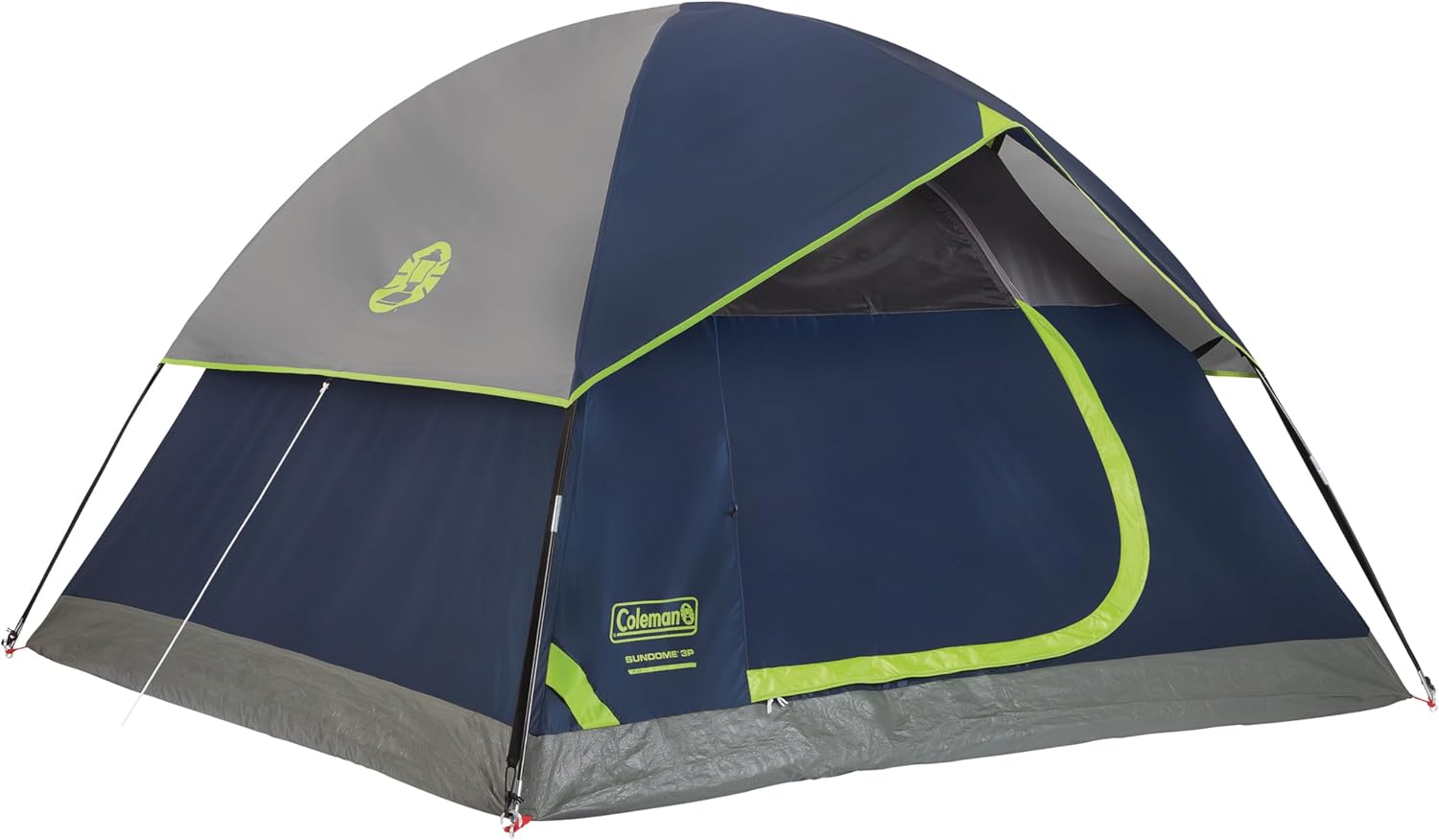
A reliable tent makes all the difference here. The Coleman Sundome Camping Tent is a great option for rain camping — it's weatherproof, sets up in about 10 minutes, and the included rainfly handles downpours well. Available for 2, 3, 4, or 6 people.
Layer Up and Keep Dry
Staying warm is easier than warming back up after you're soaked.
- Base layer: Merino wool or synthetic moisture-wicking fabric. Never cotton — it holds water against your skin.
- Mid layer: Fleece or down jacket (use synthetic down in very wet conditions since real down loses insulation when wet).
- Outer layer: A waterproof shell with taped seams. Not just water-resistant — waterproof.
- Feet: Waterproof boots plus wool socks. Change into dry camp socks as soon as you're in your tent.
Manage Your Sleeping Setup
The ground can wick moisture upward through your tent floor even without a leak.
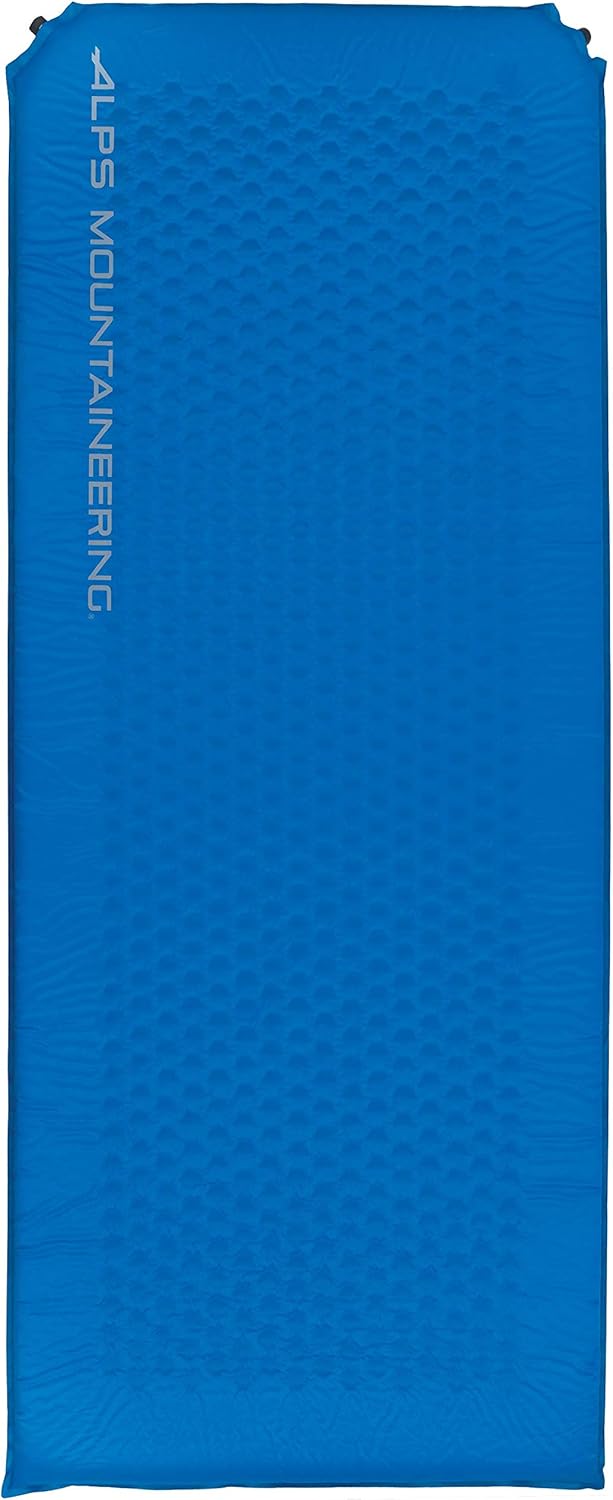
A good sleeping pad does double duty — it insulates you from the cold ground and adds a buffer against ground moisture. The ALPS Mountaineering Flexcore Self-Inflating Air Pad self-inflates for easy setup and provides solid insulation that keeps you comfortable even when the ground is cold and damp.
Pair it with a sleeping bag rated for temperatures 10°F lower than you expect — wet and cold conditions feel colder than dry ones.
Cook and Stay Comfortable
Rain doesn't have to mean cold food and early bedtime.
- Use a tarp shelter. A ridgeline tarp strung between two trees gives you a dry outdoor kitchen area. This is one of the most valuable pieces of camping gear you can own for wet-weather trips.
- Stove setup: Keep your stove protected from direct rain — a little wind block goes a long way. Coleman's propane stoves include built-in wind guards that help in breezy, wet conditions.
- Hot drinks: Staying hydrated is easy to neglect in the rain since you're not sweating visibly. Keep a thermos of hot coffee or tea going.
Light When It's Dark and Rainy
Rainy days mean less natural light, and evenings can get dark fast. A waterproof headlamp is essential.
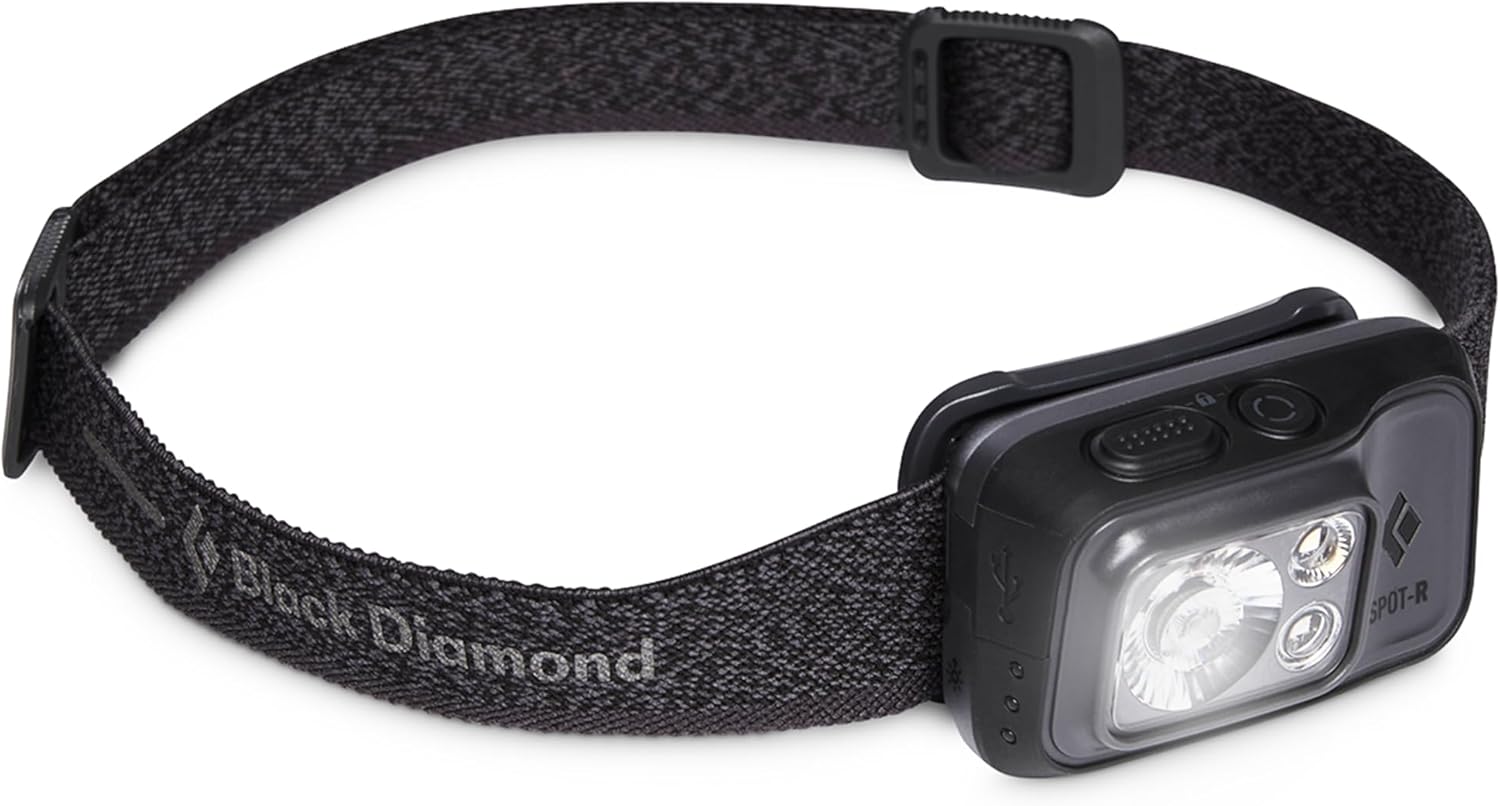
The Black Diamond Spot 400-R Rechargeable Headlamp is fully waterproof, throws 400 lumens when you need it, and charges via USB so you can top it off in the car on the drive out. A headlamp beats a lantern in wet weather because it keeps your hands free for camp tasks.
Keep Gear Organized and Dry
- Use dry bags inside your pack. A waterproof pack cover helps, but it's not enough on its own. Put electronics, spare clothes, and sleeping bag in separate dry bags.
- Designate a wet zone. In your tent vestibule, keep wet boots, rain gear, and dirty gear. Nothing wet goes inside the sleeping area.
- Hang wet clothes. String a line inside a tarp shelter or vestibule so wet layers can drip dry rather than staying soaked.
Adjust Your Mindset
This is the piece no gear list can give you. Camping in the rain is genuinely fun once you stop resisting it. Take a walk in the rain — wildlife is often more active, trails are quieter, and the forest looks completely different wet. Embrace the weather as part of the experience rather than fighting it.
A little preparation goes a long way. With the right tent, dry layers, a solid sleeping setup, and a headlamp that won't quit, a rainy camping trip can become your favorite kind.