
Huntington Beach State Park Camping: The Complete 2026 Guide
A practical guide to Huntington Beach State Park camping in South Carolina — campsites, reservations, alligators, birding, Atalaya, and what to pack.
Use this guide for
Better camping decisions, faster trip planning, and clearer gear choices. Use this article as your starting point, then keep going with related camping guides and practical help articles below.
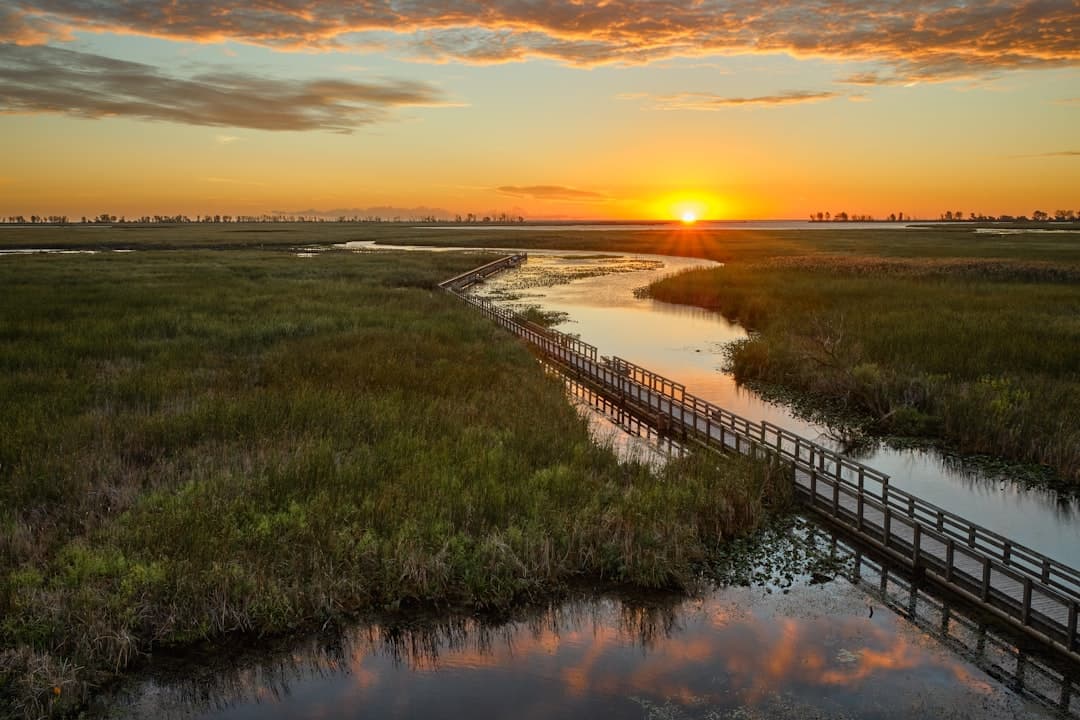
Huntington Beach State Park camping puts you on three miles of undeveloped Atlantic beach with a salt marsh at your back, alligators in the lagoon out front, and Myrtle Beach's boardwalk fifteen minutes up the highway when you want it. It is one of the few places on the South Carolina coast where you can sleep inside a barrier-island ecosystem and still plug in a fan — and that combination is exactly why the campground books out so far ahead.
The park sits just south of Murrells Inlet on Highway 17, across from Brookgreen Gardens. Roughly 2,500 acres of beach, dunes, freshwater lagoon, and salt marsh, with a campground tucked into the maritime forest behind the dune line.
Why This Park Is Worth the Booking Fight
Most of the Grand Strand is condos. Huntington Beach is what the coast looked like before them. The beach has no houses on it, the marsh boardwalk runs out over the spartina at the north end, and the causeway you drive in on has alligators sunning beside it often enough that people pull over with binoculars.
It is also one of the best birding sites on the East Coast — the mix of ocean, freshwater lagoon, and salt marsh in one small park draws an enormous species list, and the parking lot at the causeway is a regular stop for birders working the Atlantic flyway in spring and fall.
Then there's Atalaya: the Moorish-style winter home Archer and Anna Hyatt Huntington built here in the 1930s, sitting empty and open to walk through a short stroll from the campground. Nowhere else do you get a beach campsite with a castle on the same trail.
The Campground
The campground sits behind the dunes in the trees, with a mix of paved sites carrying water and electric hookups plus a smaller set of tent-only sites. Total capacity is a bit over a hundred sites across the loops, with a dump station, restrooms, and hot showers on site.
- Hookup sites handle RVs and trailers comfortably, and many take a tent fine if you want the electric for a fan — which, in July, you will want.
- Tent sites are quieter and more wooded, with less of the RV generator hum, but fewer of them exist and they go first.
- Sites are close together, in the typical state-park way. This is not a wilderness campground; it's a well-run coastal one.
- The beach is a short walk over the boardwalk, not a drive.

Site specifics — loop layouts, length limits, which sites take a big rig — change with renovations, so pull the current campground map from the South Carolina State Parks site when you book rather than trusting a forum post from three years ago.
Reservations: Book Early, Then Book Earlier
This is the part that catches people out. Huntington Beach is one of the most popular campgrounds in the South Carolina park system, and summer weekends and holidays are gone the day the booking window opens. Reserve through the official South Carolina State Parks reservation system, as far ahead as the system allows.
If your dates are already full, don't give up — set a reminder to re-check about two weeks out, when the cancellation wave hits. Midweek in April, May, October, and November is dramatically easier than any Saturday in July.
Alligators, Ticks, and the Rest of the Wildlife
The alligators in the freshwater lagoon are real, resident, and used to people. That doesn't make them tame. Keep well back from the water's edge on the causeway and lagoon side, never let a dog off leash near fresh water, and don't let kids wander ahead of you there. Swim in the ocean, not the lagoon.
The other wildlife issues are smaller and likelier: ticks and chiggers in the marsh grass and forest edges, mosquitoes and biting flies from late spring through early fall, and raccoons that will absolutely work a cooler left out overnight. Store food in the vehicle.
Loggerhead sea turtles nest on this beach in summer. Keep bright white light off the sand after dark, leave marked nests alone, and fill in any holes you dig — hatchlings fall into them.
Best Time to Go
April–May and late September–early November are the sweet spots: warm days, tolerable humidity, fewer bugs, and a beach you can have to yourself on a weekday morning. Summer is hot, humid, buggy, and fully booked, with afternoon thunderstorms most weeks — worth reading camping in the rain before you go. Winter is genuinely pleasant here and nearly empty, though the wind off the water bites and some services run reduced hours.
September also brings the Atalaya Arts and Crafts Festival, which is a great weekend to visit and a terrible one to expect a last-minute site.
What to Do Besides the Beach
Walk the marsh boardwalk at the north end at low tide for birds and fiddler crabs. Tour Atalaya. Fish the surf or the jetty end. Hike the short trails through the maritime forest. Cross Highway 17 to Brookgreen Gardens, or drive ten minutes north to the Murrells Inlet MarshWalk for dinner. It is an easy park to spend three days at without repeating yourself.
Recommended Gear for Huntington Beach Camping
Heat, humidity, wind off the water, and long golden-hour walks are what you're packing for:
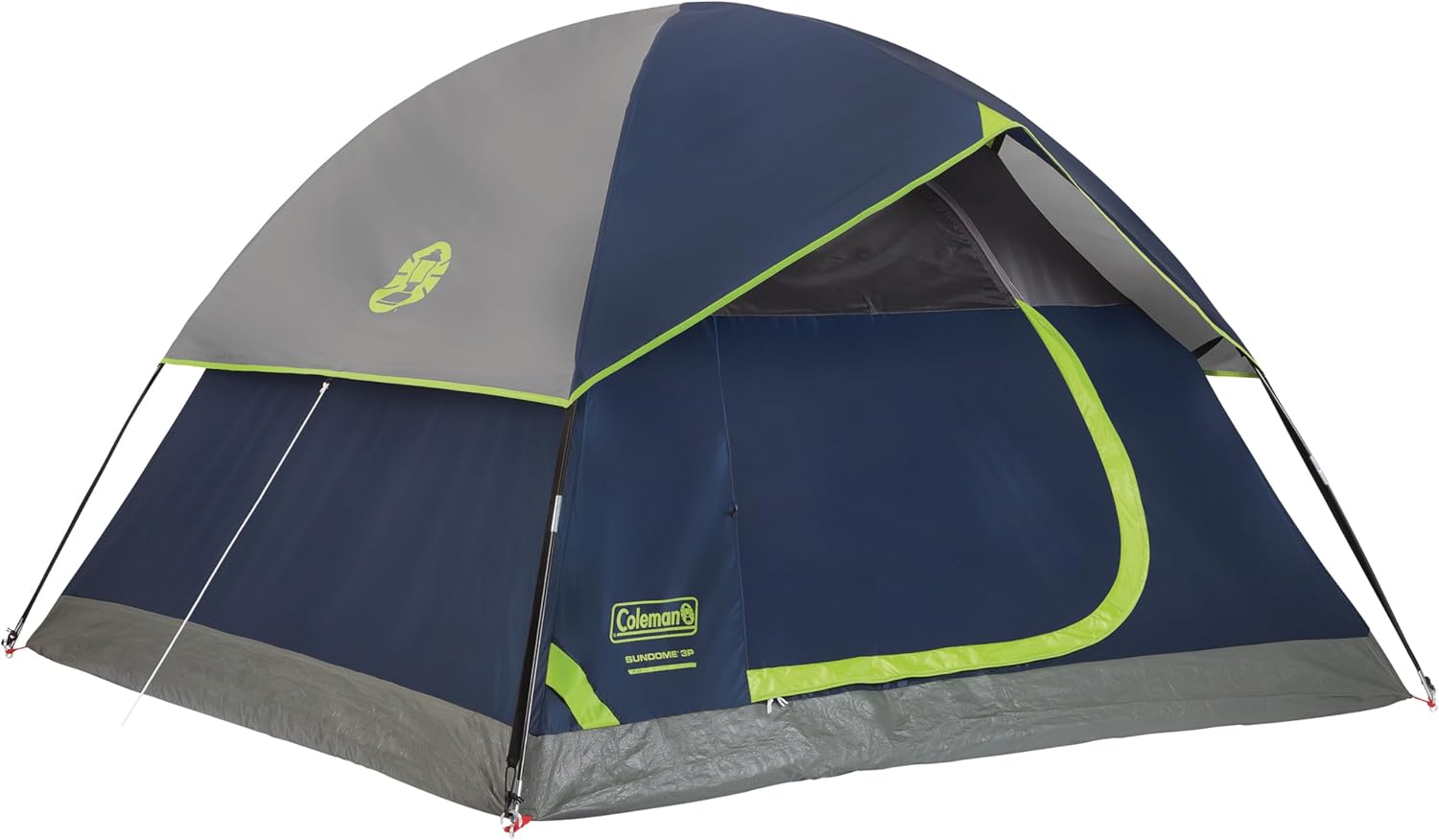
- Coleman Sundome Camping Tent — a freestanding dome that pitches fast and vents well, which matters more than warmth on this coast. New to it? Our tent setup guide walks it through, and bring longer stakes than the ones in the box for sandy soil.
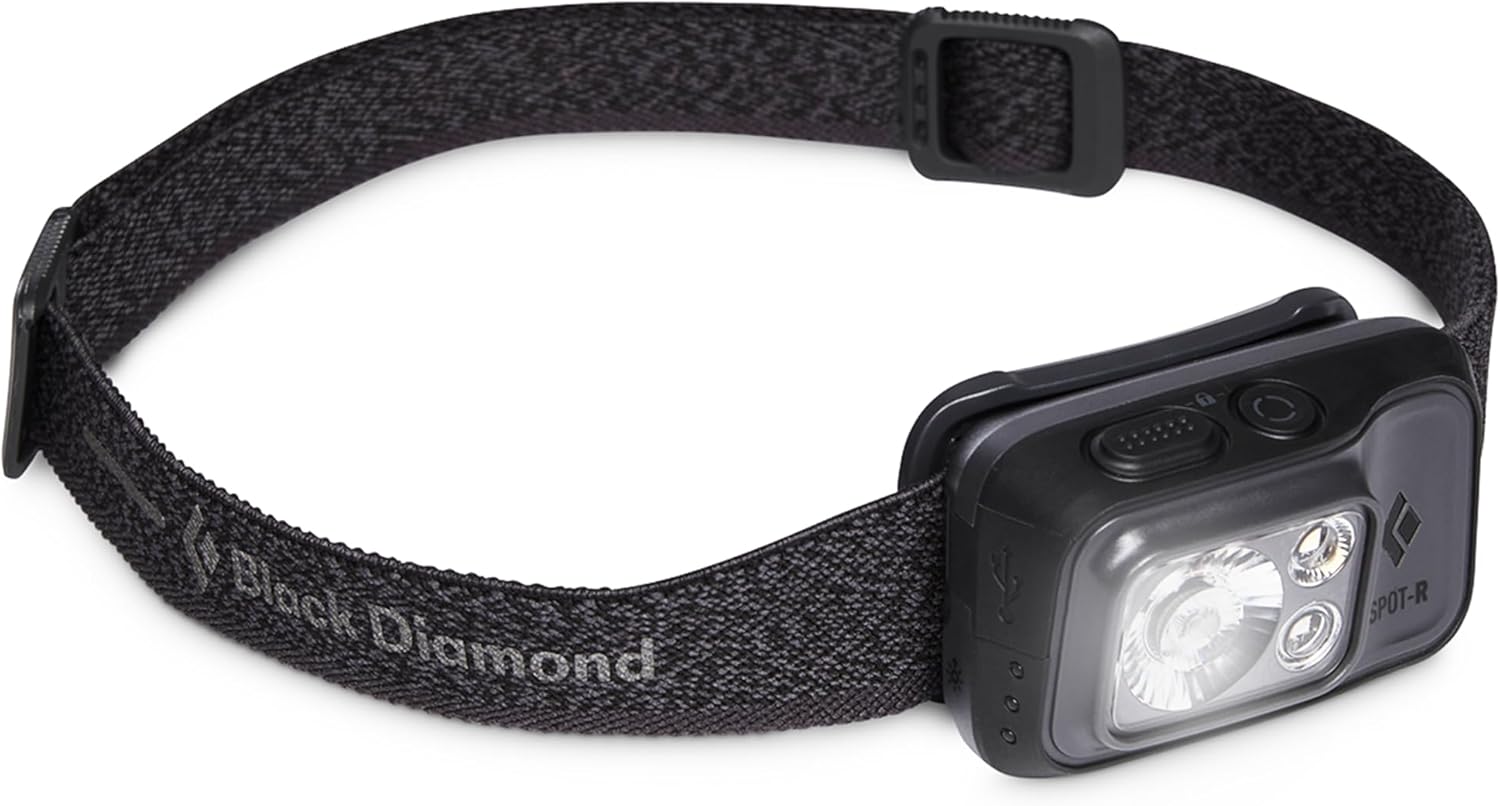
- Black Diamond Spot 400-R Rechargeable Headlamp — for the walk back from the beach after sunset, and the red mode is what keeps you turtle-safe on the sand in summer. Our headlamp guide compares the options.
- GCI Outdoor Freestyle Rocker XL — you will spend hours sitting at this campsite, and the sites are shaded enough to make that pleasant. See our camping chair picks for alternatives.
Add serious bug spray, a beach umbrella, and a cooler that seals, then run through our camping checklist before you load the car.
Final Tips
Book the shoulder season and stay midweek if your schedule allows it — the same site costs the same money and feels like a different park. Take a tent site if you're in a tent and can get one, walk the causeway at dawn for the birds and again at dusk for the alligators, and give yourself at least two nights. For more Southeast coastal camping, our Hammocks Beach State Park guide covers the next barrier island north and the Florida state parks camping guide covers the coast south. Read our camping safety tips and check tent camping essentials for the packing baseline.