
Florida State Parks With Camping: The Complete 2026 Guide
Which Florida state parks have camping, how the eleven-month reservation window and vehicle entry fee work, when to go, and what to pack for heat and bugs.
Use this guide for
Better camping decisions, faster trip planning, and clearer gear choices. Use this article as your starting point, then keep going with related camping guides and practical help articles below.
Florida state parks with camping give you something almost no other state can: a shot at a beachfront tent site in January. Roughly 60 of Florida's 175-plus state parks have campgrounds, and they run the whole range — barrier-island dunes on the Gulf, clear 72°F springs in the interior, oak hammocks draped in Spanish moss, and palm-shaded sites in the Keys. This guide covers which parks to target, how reservations and entry fees work, the best months to go, and what to pack for a climate that punishes unprepared campers.
Which Florida State Parks Have Camping?
Not every park in the system has a campground, and the ones that do split into a few clear types. Beach parks put you behind the dune line on the Atlantic or the Gulf. Springs parks cluster through north-central Florida, where the water stays at a constant 72 degrees year-round. Hammock and river parks trade water views for shade, hiking, and wildlife. A handful of parks are boat-access only, reachable by ferry or your own kayak.
Most campgrounds offer drive-in sites with water and electric, a picnic table, a fire ring, and a bathhouse with hot showers. Primitive areas and rental cabins are available at many parks.
The Big Destinations
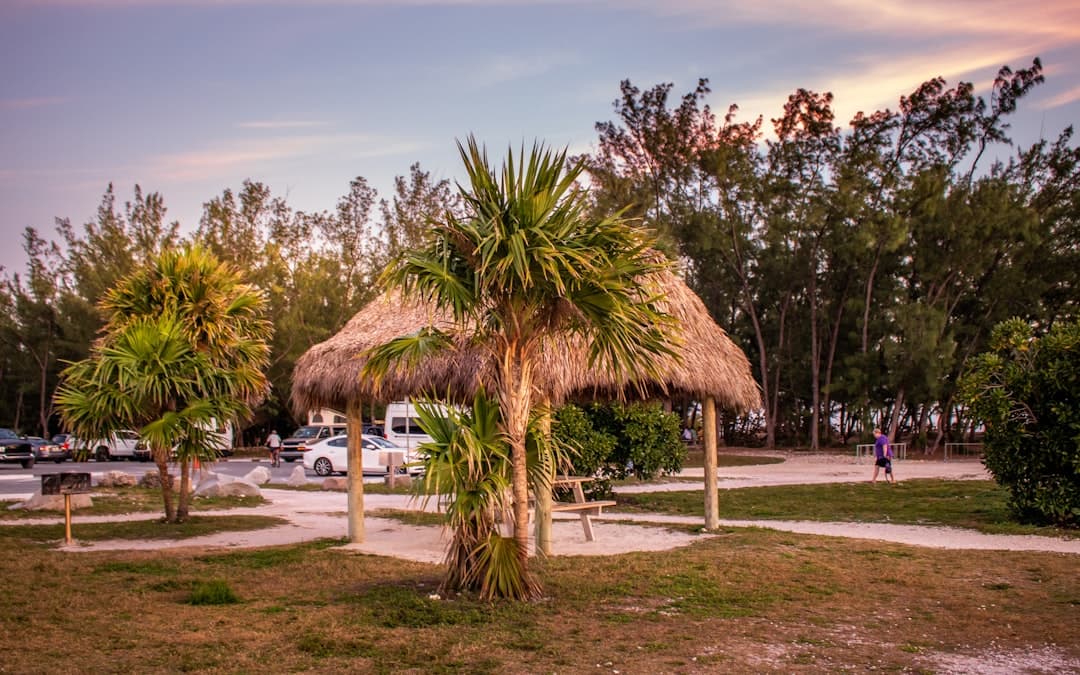
- Bahia Honda State Park (Big Pine Key) — the hardest reservation in Florida. Sites sit yards from the water on one of the state's best beaches. The thatched picnic shelters and palms in the photo above are Keys camping in a nutshell.
- Anastasia State Park (St. Augustine) — 139 sites tucked into coastal scrub behind four miles of Atlantic beach, minutes from the historic district.
- Myakka River State Park (Sarasota) — wild central Florida: alligators, a canopy walkway, birding, and two campgrounds well inland from the coastal crowds.
- Grayton Beach State Park (Panhandle) — sugar-white quartz sand and a coastal dune lake, on the 30A corridor.
- Blue Spring State Park (Orange City) — the winter manatee refuge. Hundreds of manatees pack the spring run on cold days, and the campground books out accordingly.
- Wekiwa Springs State Park (near Orlando) — a swimmable spring, paddling, and 13 miles of trail 30 minutes from the theme parks.
- Highlands Hammock State Park (Sebring) — one of Florida's original CCC parks, with an ancient oak hammock and boardwalks over cypress swamp.
- St. Joseph Peninsula State Park (Cape San Blas) — a slender sand spit with Gulf on one side and bay on the other. Superb, remote, and weather-exposed.
Reservations, Fees, and the Eleven-Month Window
Two things trip up first-timers:
- Reservations run through the Florida State Parks reservation site on a rolling window that opens roughly eleven months out. For Bahia Honda, Anastasia, St. Joseph Peninsula, and the Keys parks in winter, sites are gone within minutes of the window opening. Set a calendar reminder and be logged in early.
- Park entry is a separate fee from your campsite. Most parks charge about $6 per vehicle for two to eight people, less for a single-occupant vehicle or walking in. An annual pass runs roughly $60 individual or $120 family and pays for itself in a week of park-hopping. Campers usually get entry included for the length of the stay — confirm at the ranger station.
- Cancellations are your friend. Because the window is so long, plans change constantly — check the marquee parks nightly and sites reappear.

When to Go
Florida flips the normal camping calendar. Winter — roughly December through April — is peak season: dry, mild, bug-light, and packed with snowbirds. That's when the coastal parks are hardest to book. Late fall (November) and spring (May) are the sweet spot for availability and weather. Summer is hot, humid, and wet, with near-daily afternoon thunderstorms and Florida's famous lightning — but campgrounds are wide open, springs parks are gloriously cool, and rates are unchanged. Hurricane season runs June 1 through November 30, so watch the forecast and expect park closures when a storm threatens.
What First-Time Florida Campers Should Know
- Bugs are the real challenge. Mosquitoes and no-see-ums are relentless near marsh and beach, especially at dawn and dusk. Bring repellent, treat clothing, and consider a screen room.
- Never swim in fresh water outside designated areas. Alligators live in nearly every lake, river, and canal in the state. Don't feed them, and keep pets leashed and away from the water's edge.
- Beach sites need sand stakes. Standard tent pegs pull straight out of soft sand. Bring long sand stakes or anchor with weighted bags.
- Raccoons here are professionals. Store every scrap of food in a hard-sided container or your vehicle. In Ocala-area and central Florida parks, black bears mean real food-storage rules — our bear-safe food storage guide covers the routine.
- Plan around the heat. Hike early, nap through the afternoon, and pick shaded sites in summer. Afternoon storms roll through fast; our camping in the rain guide helps you stay dry.
Give our camping safety tips a read before you head out.
Recommended Gear for Florida State Park Camping
Heat, humidity, sudden downpours, and zero campground lighting shape this kit:
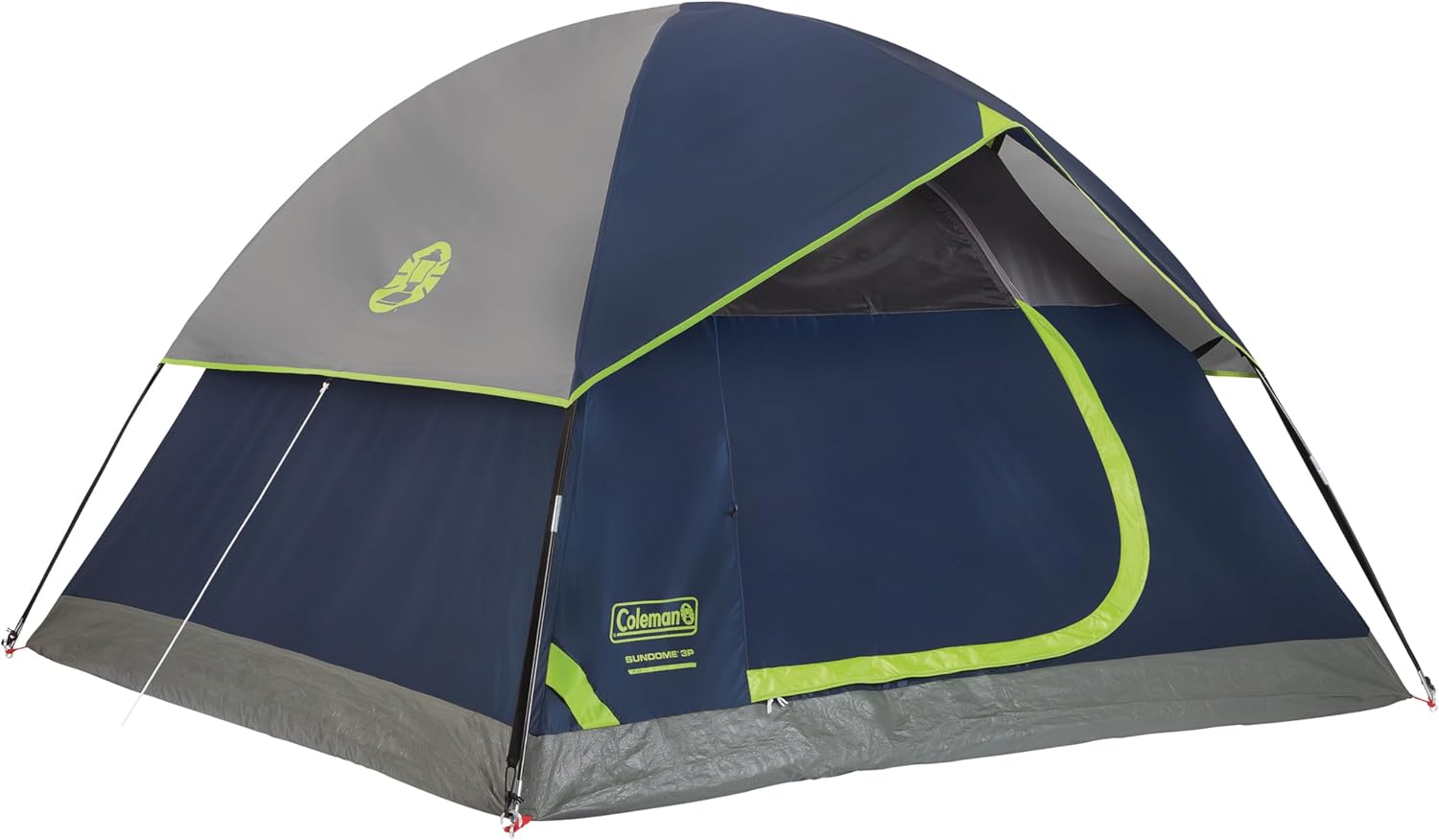
- Coleman Sundome Camping Tent — big mesh panels for airflow plus a rainfly for the afternoon storms, and it pitches in 10 minutes. New to it? Our tent setup guide walks you through it.
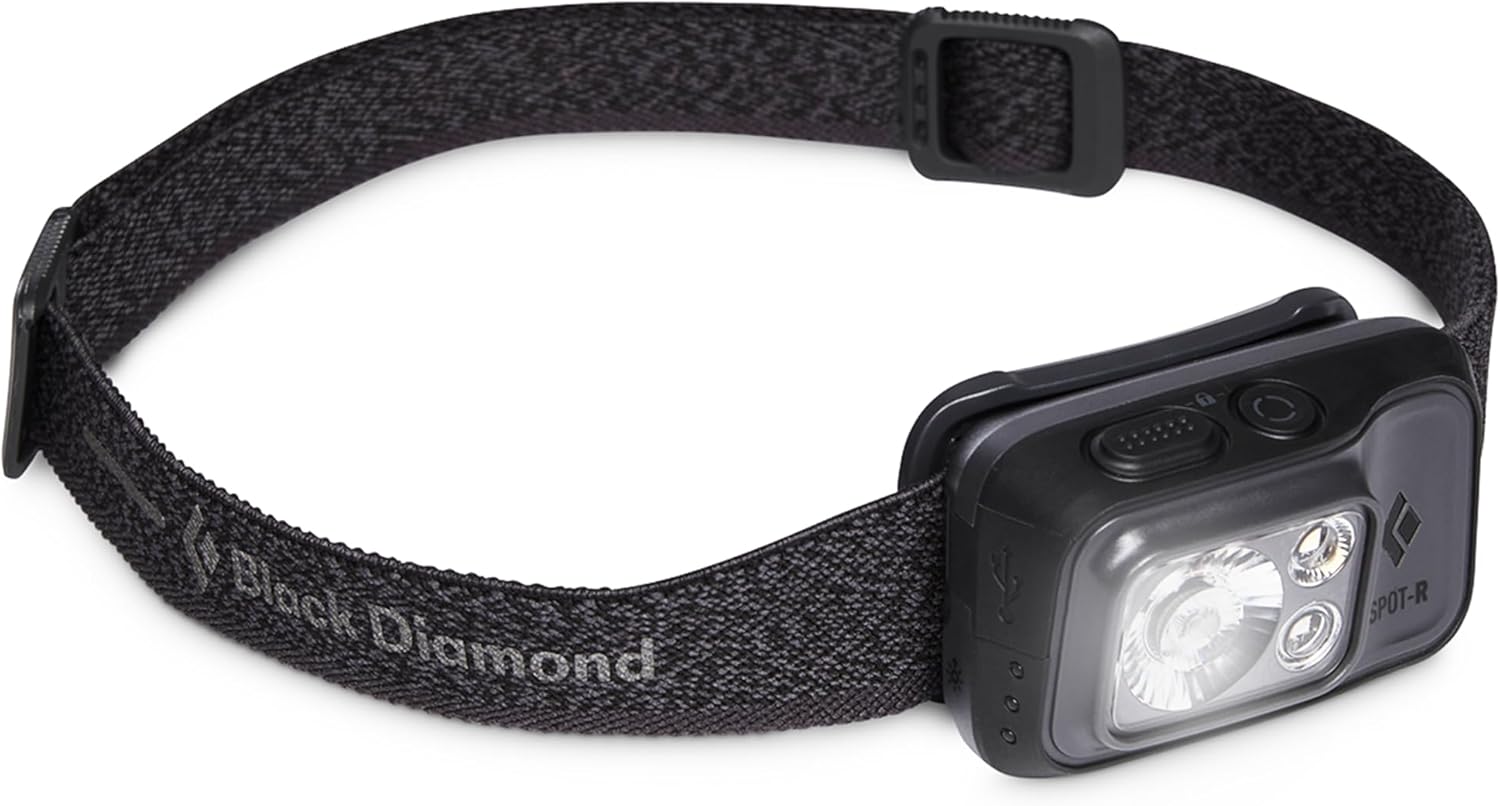
- Black Diamond Spot 400-R Rechargeable Headlamp — Florida campgrounds are dark, and a waterproof lamp shrugs off humidity and rain.
- GCI Outdoor Freestyle Rocker XL — you'll spend hours in the shade waiting out heat and storms, so the chair matters more here than almost anywhere. See our camping chair picks for alternatives.
Then run through our full camping checklist before you load the car.
Final Tips
Book eleven months out for winter beach sites, buy the annual entry pass if you're touring, aim for spring or late fall if you can, and respect the water — both the gators in it and the sun above it. Do that, and Florida's state parks hand you beach, spring, and hammock camping in a single trip, in the middle of a season when most of the country is frozen.