
Tent Camping Essentials: The Complete Gear List for Every Trip
From shelter and sleep systems to lighting and cooking, here's everything you need to pack for a comfortable and safe tent camping trip.
Use this guide for
Better camping decisions, faster trip planning, and clearer gear choices. Use this article as your starting point, then keep going with related camping guides and practical help articles below.
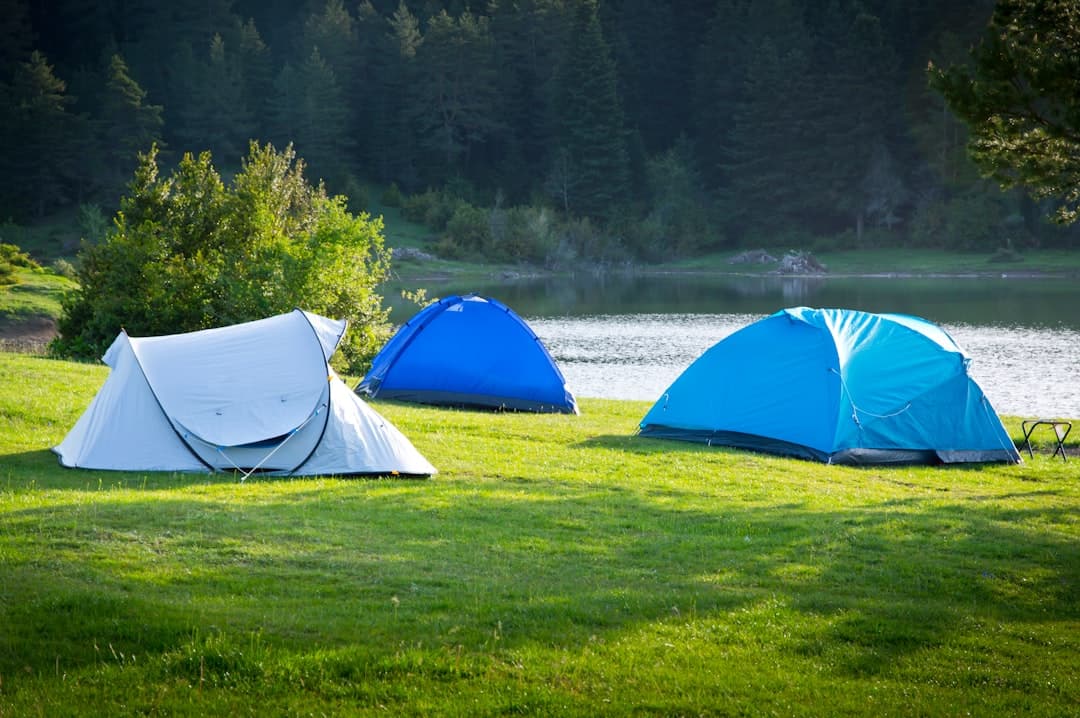
Tent camping is one of the most rewarding ways to spend time outdoors — but showing up without the right gear can turn a great trip into a miserable one. This guide covers every tent camping essential, organized by category, so you can pack with confidence and focus on enjoying the experience.
Shelter: Your Most Important Piece of Gear
Your tent is the foundation of every camping trip. A good tent keeps you dry in the rain, protects you from wind, and gives you a comfortable place to sleep and store your gear.
When choosing a tent for tent camping, look for:
- Seasonality: A three-season tent handles spring through fall conditions. It should have a full rainfly and sealed seams.
- Capacity: Go one size up from how many people are sleeping in it. A "2-person" tent is tight; a 3-person tent works well for two adults with gear.
- Setup time: Freestanding tents with color-coded poles set up in minutes, which matters when you arrive at camp in the dark.
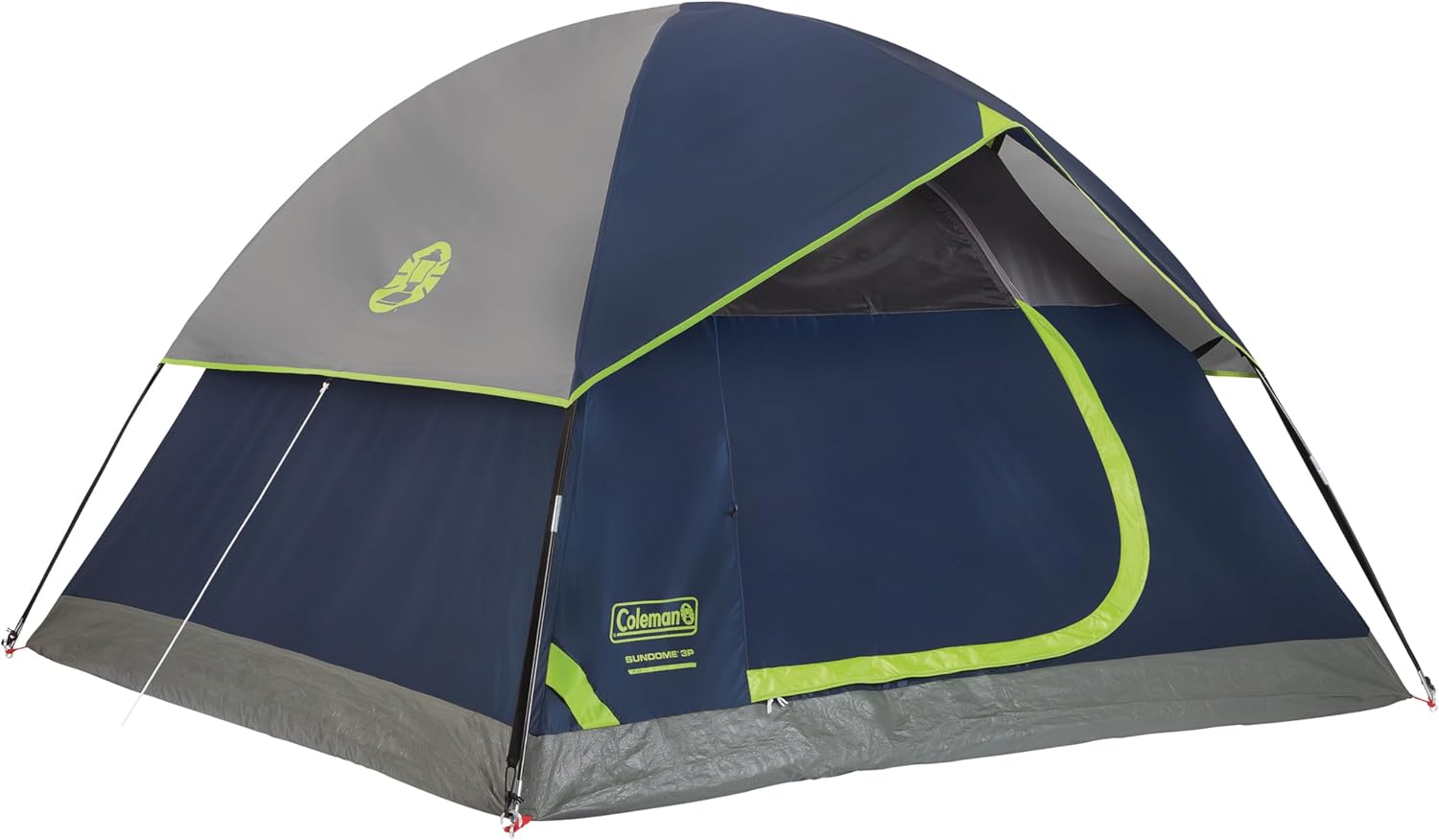
The Coleman Sundome Camping Tent is a reliable go-to for first-timers and experienced campers alike. It sets up in about 10 minutes, includes a full rainfly, and is available in 2, 3, 4, and 6-person sizes. It's a workhorse tent that handles real weather without costing a fortune.

Camping as a group? Our guide to the best family camping tents compares cabin, dome, and instant models and helps you size a tent for a family of 4, 5, or 6.
Don't forget: tent stakes and a footprint or ground cloth to protect the tent floor from moisture and abrasion.
Sleep System: Staying Warm Through the Night
Cold nights are the number one thing that ruins tent camping trips. A proper sleep system — sleeping bag plus sleeping pad — is non-negotiable.
Sleeping Bag
Match your bag's temperature rating to the coldest night you expect. Bags are rated by the lowest temperature at which they'll keep an average sleeper warm, but most people sleep cold, so go 10°F lower than the forecast low.
The Teton Celsius Sleeping Bag is available in 25°F, 20°F, and 0°F ratings — enough coverage for three-season camping. It's a rectangular bag with room to move, an included travel sack, and a price that makes it easy to own multiple bags for different seasons.
Sleeping Pad
Many campers overlook the sleeping pad, but it's arguably more important than the bag. The ground pulls heat out of your body far faster than cold air does. A sleeping pad insulates you from below and adds critical cushioning.
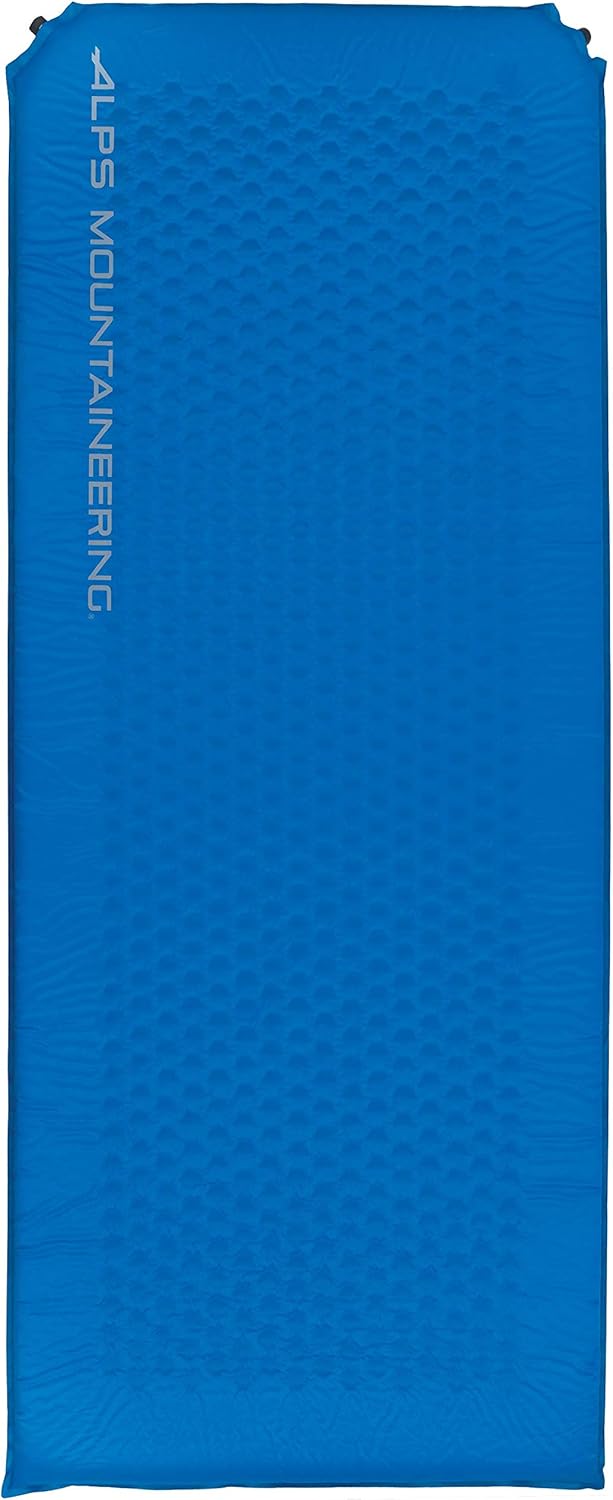
The ALPS Mountaineering Flexcore Self-Inflating Air Pad strikes a great balance: it self-inflates, provides solid insulation, and is comfortable enough for multi-night trips. Open the valve when you arrive at camp, and it's ready by the time you've set up the tent.
Clothing: Layer for the Conditions
Tent camping clothing follows one rule: layers. Conditions shift throughout the day, and you need to be able to add or remove insulation quickly.
Pack these clothing basics for any tent camping trip:
- Base layer: Moisture-wicking long underwear for cold nights
- Mid layer: Fleece or insulated jacket
- Outer layer: Waterproof rain jacket and pants
- Camp clothes: Comfortable clothing you don't mind getting around the fire
- Extra socks: Pack two pairs per day — wet feet cause blisters and cold
- Hat and gloves: Even in summer, early mornings can be cold
Cotton is the one fabric to avoid. It holds moisture and takes forever to dry. Stick to wool, fleece, or synthetic materials.
Cooking and Food Storage
You don't need a full camp kitchen, but a few basics make mealtime much better than cold sandwiches every night.
Cooking essentials:
- Camp stove and fuel canisters
- Lighter or waterproof matches (carry two sources)
- Cookpot or camp cooking set
- Camp mug for coffee or tea
- Utensils, plate, and bowl
- Biodegradable camp soap and a small scrub pad
- Collapsible water container for camp use
Food storage:
- Hard-sided cooler with ice for perishables
- Bear canister or hang bag if camping in bear country
- Dry bags or airtight containers for snacks and pantry items
Lighting
After the sun goes down, lighting becomes essential for camp tasks, safety, and getting to the bathroom without tripping over guy lines. A headlamp is the most important piece of camp lighting — it keeps your hands free while you cook, set up camp, or navigate the trail.
The Black Diamond Spot 400-R Rechargeable Headlamp is one of the best on the market: 400 lumens, USB rechargeable, dimmable, and waterproof. It has a red night-vision mode that preserves your natural night vision and won't wake up campsite neighbors.
Supplement your headlamp with:
- A lantern for ambient light at the picnic table or inside the tent vestibule
- Backup batteries or a power bank for USB devices
Navigation and Safety
Always bring a way to find your way back to camp, especially if you plan to hike or explore:
- Paper map of the area (cell service is unreliable in many campgrounds)
- Compass (and know how to use it)
- First aid kit with blister care, wound supplies, and any personal medications
- Emergency whistle
- Multi-tool or knife
Hygiene and Sanitation
Staying clean at camp isn't just about comfort — it's about safety and Leave No Trace principles.
- Trowel for cat holes (for dispersed camping with no facilities)
- Biodegradable soap and hand sanitizer
- Toilet paper in a sealed bag
- Small towel (microfiber dries fast)
- Toothbrush and toothpaste
- Sunscreen and insect repellent
Campsite Comfort
The difference between a good camping trip and a great one often comes down to the small comfort items:
- Camp chairs — one per person
- Camp table if your site doesn't have a picnic table
- Tarp for shade or extra rain coverage over the vestibule
- Extra ground cloth or rug for the tent entrance (keeps mud out)
- Clothesline and clips for drying wet gear
Pack Smart, Arrive Ready
Tent camping essentials don't have to fill the back of a truck. Focus on the core categories — shelter, sleep system, food, lighting, and safety — and you'll cover 90% of what any trip requires. The rest is customization based on destination, duration, and weather.
Before every trip, run through your gear list the night before departure. The items you forget are almost always the ones you'll need most.