
Camping Safety Tips: How to Stay Safe on Every Trip
Essential camping safety tips covering fire safety, wildlife awareness, weather prep, and night visibility so every trip ends safely.
Use this guide for
Better camping decisions, faster trip planning, and clearer gear choices. Use this article as your starting point, then keep going with related camping guides and practical help articles below.
Camping is one of the best ways to disconnect, recharge, and connect with nature — but the outdoors comes with real risks. A little preparation goes a long way toward keeping you and your group safe. These camping safety tips cover the essentials: campfire management, wildlife awareness, weather readiness, and nighttime visibility.
Tell Someone Your Plans
Before you leave, share your trip details with a friend or family member who isn't going. Include your campsite location, the trailheads you plan to visit, and your expected return date. If something goes wrong and you don't check in, they'll know when and where to send help.
Campfire Safety
Campfires are central to the camping experience, but they're also one of the leading causes of wildfires and campsite injuries.
- Check fire restrictions before you go. Many parks and forests impose seasonal fire bans — always check with the land management agency.
- Use established fire rings. Never dig a new pit or build a fire on bare ground outside a designated area.
- Keep your fire small and attended. A fire left unattended for even a few minutes can spread.
- Fully extinguish before bed or leaving camp. Pour water over the coals, stir, and pour again until the hissing stops and everything is cold to the touch.
- Carry a portable stove as a backup. During fire restrictions, a camp stove like the Coleman Triton keeps you cooking without risk.
Wildlife Awareness
The rules vary by region, but the core principles are the same wherever you camp.
- Store food properly. Use bear canisters or hang your food bag at least 10 feet off the ground and 4 feet from the tree trunk in bear country. Never leave food in your tent.
- Keep a clean camp. Dirty dishes, trash, and even scented toiletries attract wildlife. Seal everything in airtight bags.
- Know your local wildlife. Research whether your campsite has bear, mountain lion, snake, or other animal activity. Knowing what to look for changes how you move around camp.
- Make noise on the trail. Most wildlife want to avoid you — give them the chance by talking, clapping, or using a bear bell.

Weather Preparedness
Weather in the backcountry changes fast. What starts as a clear morning can turn into a thunderstorm or temperature drop by afternoon.
- Check the extended forecast before departure. Pay attention to overnight lows, not just highs.
- Layer your clothing. Base layers wick moisture, mid-layers trap heat, and a waterproof shell blocks wind and rain.
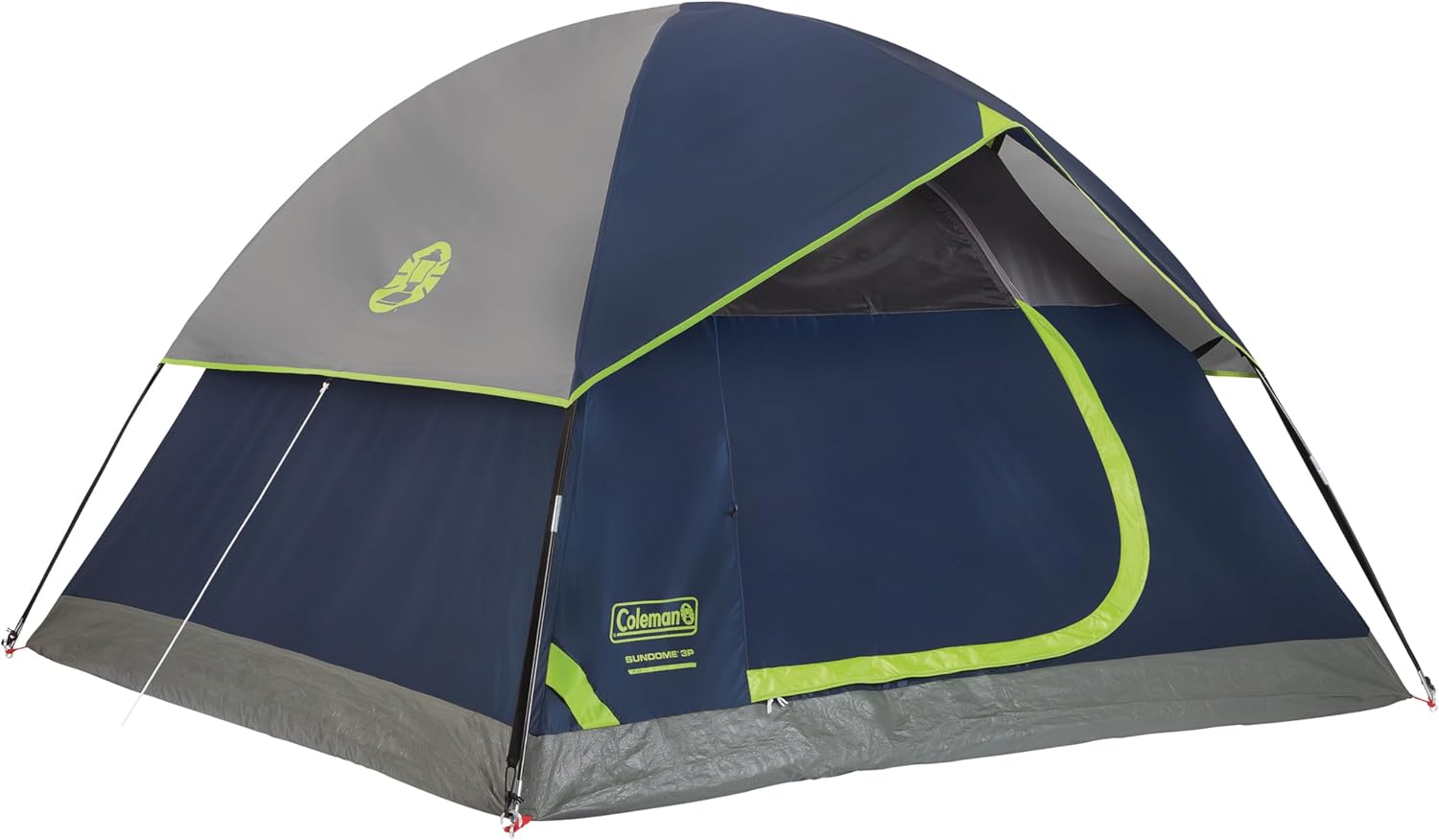
- Choose a weatherproof shelter. Your tent is your first line of defense. The Coleman Sundome Camping Tent features a full rainfly and WeatherTec construction, making it a reliable choice even in wet and windy conditions.
- Sleep warm. Temperature ratings on sleeping bags indicate survival temperatures, not comfort temperatures. The Teton Celsius Sleeping Bag comes in 0°F, 20°F, and 25°F ratings — size up on warmth to account for cold nights you didn't plan for.
- If lightning starts, get off exposed ridges and away from tall trees immediately. Move to low ground and spread out your group.
Night Safety and Visibility
Accidents in camp often happen after dark — tripping over a tent stake, wandering off-trail, or getting disoriented.
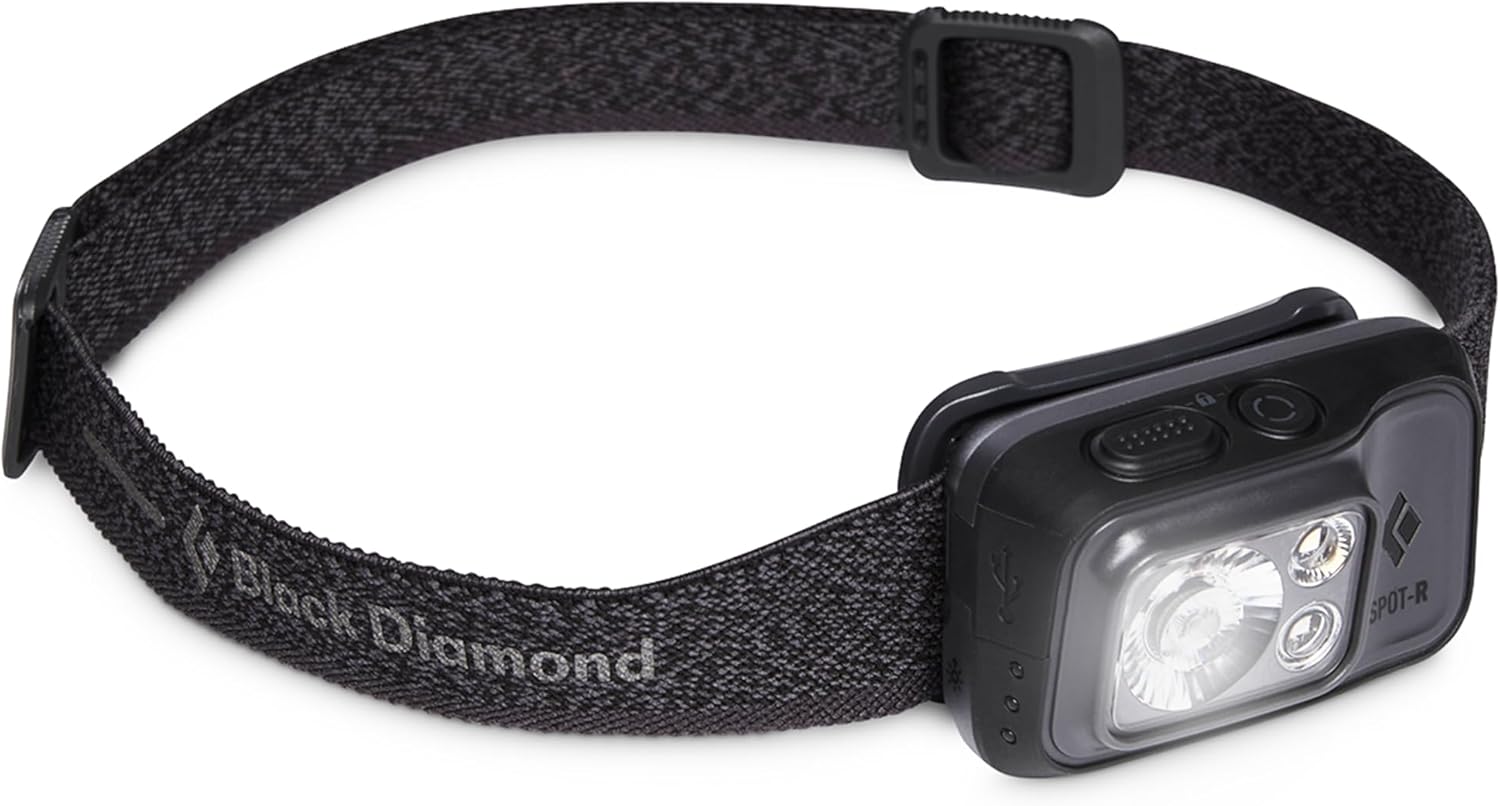
- Always have a dedicated headlamp, not just a phone flashlight. A headlamp keeps your hands free for cooking, setting up gear, and navigating. The Black Diamond Spot 400-R puts out 400 lumens, is USB rechargeable, and is rated waterproof — it's one of the most trusted headlamps in camping.
- Mark your campsite. A simple piece of reflective tape on your tent stakes or a small lantern outside can save you a painful stumble when returning after dark.
- Know your campsite layout before the sun goes down. Walk the site and note hazards: stakes, guy-lines, uneven ground, and the path to the bathroom.
Water Safety
Drinking untreated water from streams and lakes is one of the most common ways campers get sick outdoors.
- Filter, boil, or treat all water from natural sources before drinking or cooking with it.
- Carry more water than you think you'll need for the hike in — dehydration impairs judgment before you feel thirsty.
- In cold weather, keep your water bottles insulated or close to your body to prevent freezing overnight.
First Aid Preparedness
A basic first aid kit is non-negotiable on any camping trip. Stock it with blister treatment, antiseptic wipes, bandages, tweezers for splinters and ticks, an elastic wrap, pain reliever, and any personal medications.
Know how to treat the most common camping injuries: blisters, cuts, burns from the campfire, and tick bites. Ticks should be removed with tweezers by grasping close to the skin and pulling straight out — never twist or squeeze.
Gear Recommendations for Camping Safety
Three pieces of gear directly improve your safety at camp:
- Black Diamond Spot 400-R Rechargeable Headlamp — bright, waterproof, and always ready thanks to USB charging. View on Amazon
- Coleman Sundome Camping Tent — weatherproof construction with a full rainfly keeps you dry and sheltered when conditions turn. View on Amazon
- Teton Celsius Sleeping Bag — rated for genuine cold-weather use so you're never caught underprepared on a cold night. View on Amazon
The Bottom Line
Good camping safety comes down to three habits: prepare before you go, manage your campsite carefully, and pack the right gear for the conditions. Follow these camping safety tips and you'll spend your energy enjoying the outdoors rather than managing avoidable emergencies.