
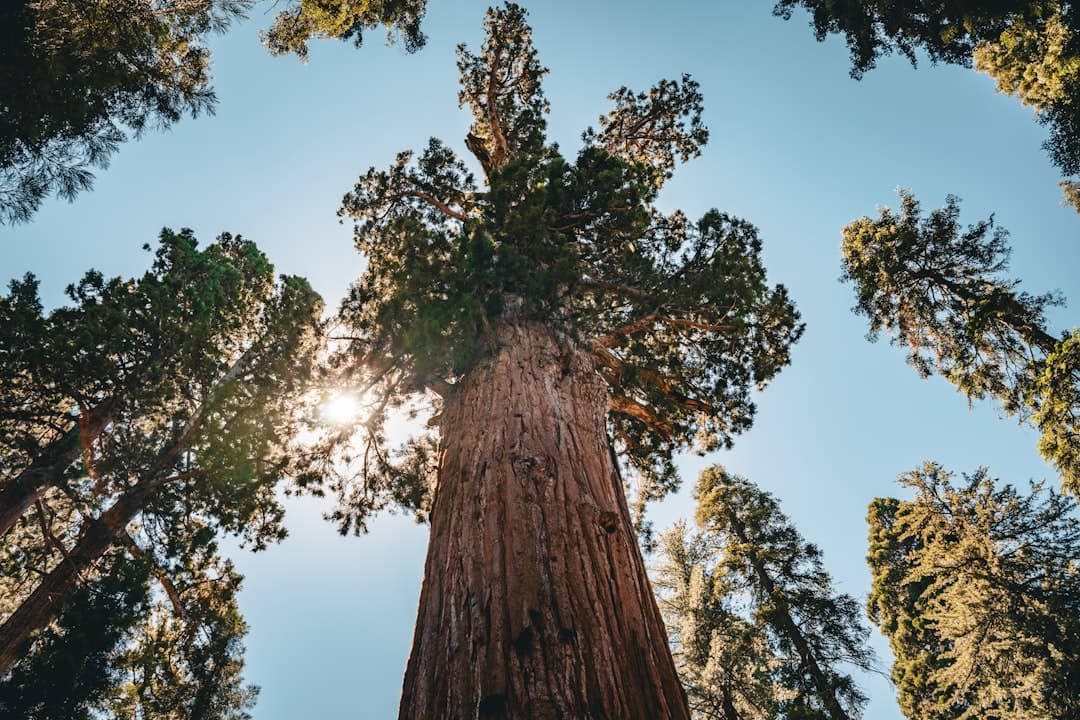
Sequoia National Park Camping: The Complete 2026 Guide
Plan a Sequoia camping trip with confidence — the best campgrounds, reservations, required bear-canister food storage, cold high-elevation nights, and the gear to pack.
Use this guide for
Better camping decisions, faster trip planning, and clearer gear choices. Use this article as your starting point, then keep going with related camping guides and practical help articles below.
Sequoia National Park camping puts you to sleep beneath the largest living things on Earth — groves of giant sequoias so massive that a single trunk can dwarf a house. Paired with its neighbor Kings Canyon, the park climbs from oak foothills to high granite country, and camping is by far the best way to experience it: you wake up already inside the forest, beat the day-trip crowds to General Sherman, and catch the alpenglow on the peaks after everyone else has driven back down the mountain. But Sequoia is bear country at real elevation, and a comfortable trip depends on planning for both. This guide covers where to camp, how to reserve, and exactly what to pack.
Why Camp in Sequoia?
The giant sequoias are the obvious draw — the General Sherman Tree, the Congress Trail, and the Giant Forest are unlike anywhere else on the planet — but the park is far more than its namesake trees. Camp here and you're a short drive from Moro Rock's granite staircase, the Crystal Cave, the Marble Falls trail, and, over in Kings Canyon, some of the deepest canyon scenery in North America. Elevations range from about 2,100 feet in the foothills to over 7,000 feet at the higher campgrounds, so you choose your climate by choosing your campground. Staying in the park also means dark, star-filled nights and cool mountain air that the Central Valley heat never reaches.
Best Campgrounds in Sequoia National Park
The park's developed campgrounds split by elevation and season:
- Lodgepole — the most popular and central, at about 6,700 feet along the Marble Fork of the Kaweah River, walking distance to a visitor center, market, and shuttle stops. Close to the Giant Forest. Reservable, and it books fast.
- Dorst Creek — a large, forested campground at roughly 6,700 feet in the north of the park, quieter than Lodgepole but still close to sequoia groves. Reservable in season.
- Potwisha and Buckeye Flat — lower foothill campgrounds around 2,100–2,800 feet, warmer and open more of the year, good for spring and fall when the high country is cold. Potwisha is reservable; the smaller campgrounds vary.
- Kings Canyon campgrounds (Sunset, Sentinel, Sheep Creek, Moraine) — just north in the connected park, a strong fallback when Sequoia's sites are full.

Most sites have no hookups, and the mountain campgrounds sit high enough that nights are cold even in summer.
Reservations and Timing
Sequoia's popular campgrounds — Lodgepole and Dorst Creek especially — are reservation-only in peak season through Recreation.gov, and prime summer weekends book up to six months ahead. Set a reminder for the morning your window opens. The lower-elevation foothill campgrounds are open more of the year and are a good option outside summer.
Timing shapes everything here. Summer (June–September) brings warm days, full services, and open high-country roads, but also the biggest crowds and the fastest-filling sites. Late spring and early fall are quieter and lovely, though high campgrounds can be cold. Winter closes the higher campgrounds and requires tire chains on the roads, but the foothills stay accessible. Note that the drive up the Generals Highway is steep and winding — allow extra time and check road and chain conditions before you go.
Bears, Elevation, and Mountain Safety
Three things catch first-time Sequoia campers off guard:
- Food storage is mandatory, and bears are serious here. Every campground has metal bear-proof lockers, and you are required to store all food, coolers, and scented items in them — never in your tent or car. Black bears in the park are practiced at breaking into vehicles. Our bear-safe food storage guide walks through exactly how to do it right.
- Nights are cold at elevation. Even in July, the 6,700-foot campgrounds can drop into the 30s and 40s after warm afternoons. Pack a warm sleeping bag and an insulating pad, not the lightweight setup the daytime sun suggests.
- Altitude and terrain add up. Coming from sea level to 7,000 feet, take it easy the first day, drink extra water, and don't underestimate the steep park roads. Review our camping safety tips and pack out everything.
Recommended Gear for Sequoia Camping
The mountain climate rewards campers who plan for cold nights on hard ground. These three pieces carry the load:
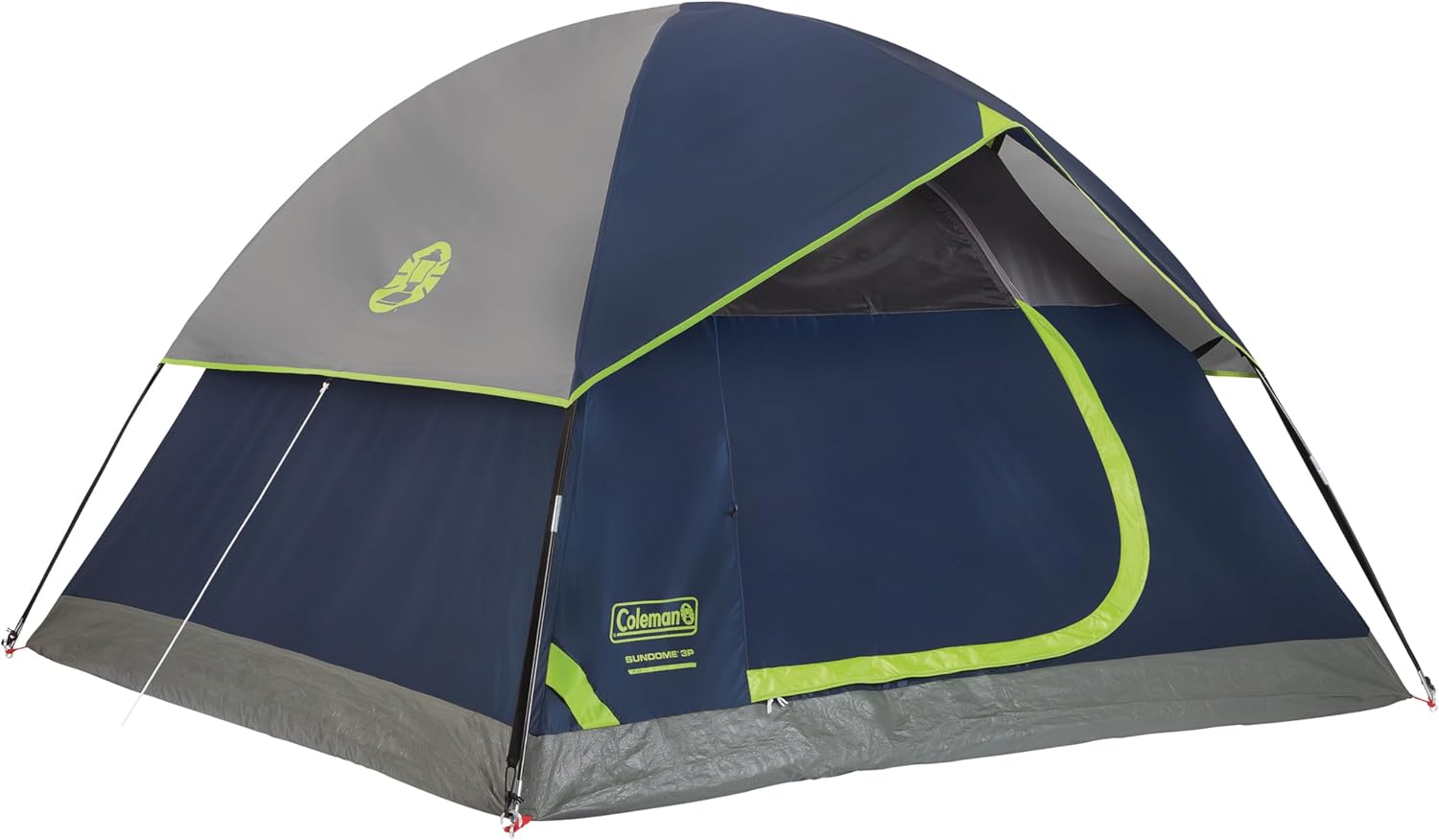
- Coleman Sundome Camping Tent — a freestanding dome you can pitch in about 10 minutes, giving you a solid, bug-free base at your reserved site. New to it? Our tent setup guide gets you fast.
- Teton Celsius Sleeping Bag — this is the piece people skip and regret. Sequoia's high campgrounds fall into the 30s and 40s even in summer, so a bag rated to 20°F or 0°F keeps the cold from cutting your trip short.
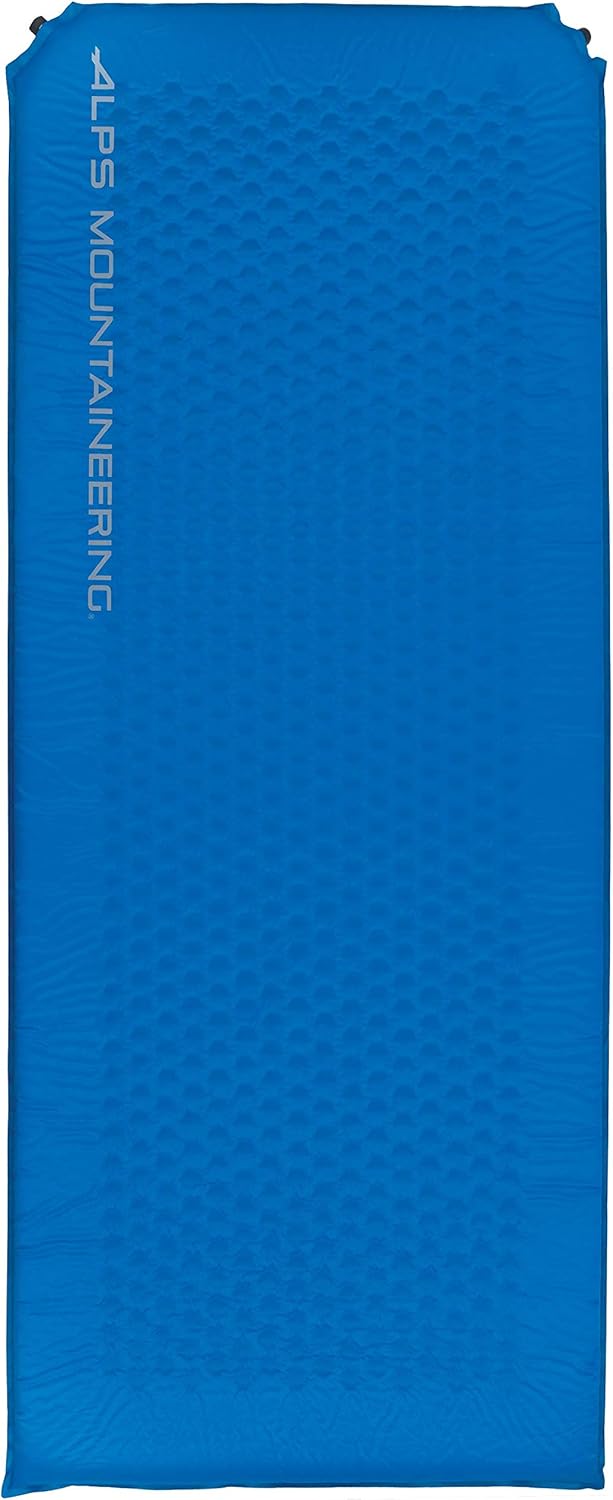
- ALPS Mountaineering Flexcore Self-Inflating Air Pad — at elevation the ground pulls heat out of you all night. An insulated self-inflating pad adds warmth and comfort that a bag alone can't provide.
Round it out with warm layers, a headlamp, and plenty of water, then run through our full camping checklist before you leave.
Final Tips
Book Lodgepole or Dorst Creek the moment your window opens, use the bear lockers religiously, and pack for cold nights no matter the forecast — those three habits make or break a Sequoia trip. Do that, and you get a rare reward: mornings among the biggest trees on Earth and nights under some of California's darkest skies. Planning more national-park nights? Our Redwood National Park camping guide and Joshua Tree camping guide are natural next stops.