
Best Camping App: Top Apps Every Camper Needs in 2026
Discover the best camping apps for navigation, trail maps, weather, and site discovery. Our top picks help you plan smarter and camp better in 2026.
Use this guide for
Better camping decisions, faster trip planning, and clearer gear choices. Use this article as your starting point, then keep going with related camping guides and practical help articles below.
Your smartphone can be one of the most powerful tools you bring into the backcountry — if you load it with the right apps. The best camping apps go well beyond finding a campsite. They help you navigate trails, read weather patterns, identify plants and stars, coordinate with your group, and plan every detail of a trip before you even leave the driveway. Here are the top apps worth installing before your next trip.
Navigation and Offline Maps
Losing cell service is almost guaranteed once you head into serious camping territory. These apps give you reliable navigation without a data connection.
Gaia GPS
Gaia GPS is the gold standard for serious outdoor navigation. It offers downloadable topographic maps, satellite imagery, and hundreds of map layer options including US Forest Service roads and BLM land boundaries. The trip-planning tools let you trace routes, estimate elevation gain, and share tracks with your group before departure. A subscription unlocks offline download access, which is non-negotiable if you're heading into remote terrain.
Best for: Backpackers, overlanders, and anyone navigating off established trails.
AllTrails
AllTrails has the largest trail database of any camping app, with over 400,000 trails reviewed by millions of hikers worldwide. Community photos show real current conditions, and the offline maps work even when you're miles from a tower. The free tier covers most casual hikers; AllTrails Pro adds offline downloads, weather overlays, and turn-by-turn navigation.
Best for: Day hikers and campers who stick to established trails.

Weather Apps Built for the Outdoors
Standard weather apps average conditions across a wide area and miss the detail that matters for camping. These alternatives are purpose-built for outdoor use.
Mountain Forecast
Mountain Forecast delivers high-altitude weather data at multiple elevations for thousands of named peaks worldwide. If your campsite sits at 9,000 feet, the weather conditions at the valley floor are largely irrelevant — Mountain Forecast gives you the numbers that actually apply to where you're sleeping.
Best for: High-altitude camping, mountaineering, and alpine backpacking.
Weather Underground
Weather Underground aggregates data from thousands of personal weather stations, giving hyper-local forecasts far more accurate than national services. In canyon country or coastal ranges where microclimates are dramatic, this granular data can be the difference between a pleasant night and a soaked sleeping bag.
Best for: Car campers and anyone camping near populated areas with weather station coverage.
Campsite Discovery Apps
These apps help you find and evaluate specific camping locations — a different job from navigation apps, and worth having alongside them.
The Dyrt
The Dyrt hosts over 50,000 campgrounds with nearly 2 million user reviews. Its database covers developed campgrounds, dispersed BLM sites, and everything in between. The Dyrt Pro tier adds offline access and GPS tracking, making it useful in the field and during trip planning.
Best for: Finding campgrounds across a wide range of styles and budgets.
iOverlander
iOverlander is community-driven and leans heavily toward free, off-grid camping. The database includes remote pullouts, forest roads, and cross-border sites that never appear on mainstream platforms. If you're driving a 4x4 or sleeping in a van, this app surfaces options no other platform tracks.
Best for: Overlanders and van campers seeking truly off-grid spots.
Utility Apps Worth Having
These apps don't fit a single category but earn a spot on any camping phone.
- iNaturalist — Point your camera at a plant, insect, or mushroom and get an ID within seconds. Essential for foraging and for knowing what to avoid.
- Sky Map / Star Walk — Identify constellations, planets, and satellites overhead. No cell signal required once the data is cached.
- MyRadar — Real-time animated radar that caches recent data for offline viewing. Crucial for spotting incoming storms when you're far from service.
Tips for Using Camping Apps Effectively
- Download everything before you leave. Offline maps, trails, and forecasts all need to be cached at home. Don't assume you'll have enough signal at the trailhead.
- Carry a backup power source. Apps are useless on a dead phone. A small solar charger or power bank extends your margin significantly.
- Learn the app before you need it. Fumbling with an unfamiliar interface in the dark or in rain wastes time and battery. Spend 20 minutes with each app at home before your trip.
- Keep screen brightness low. Navigation apps running continuously drain batteries faster than anything else. Reduce brightness and use short screen timeout settings to preserve charge.
Gear That Works Alongside Your Apps
A great app setup deserves equally reliable gear in the field.
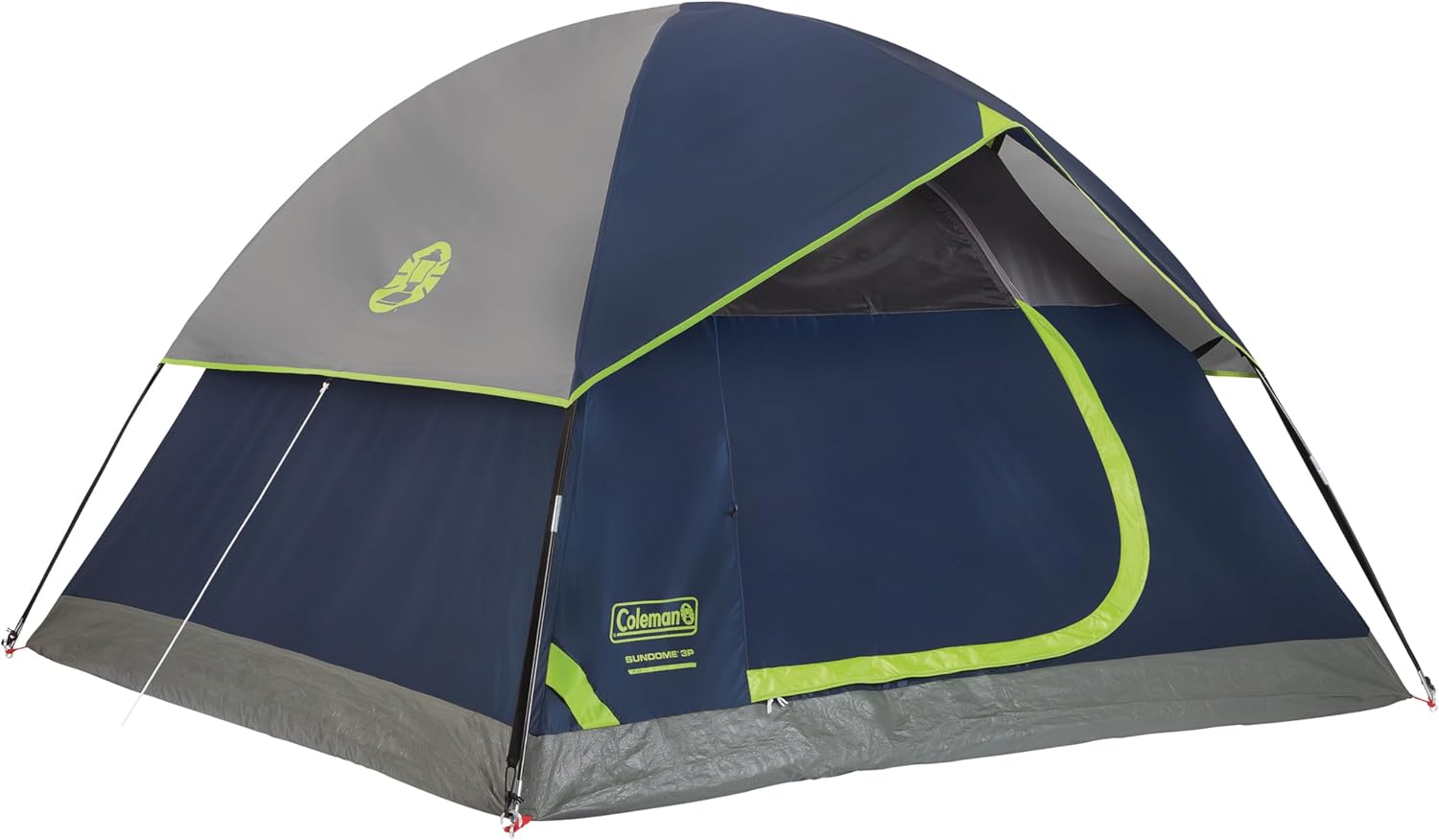
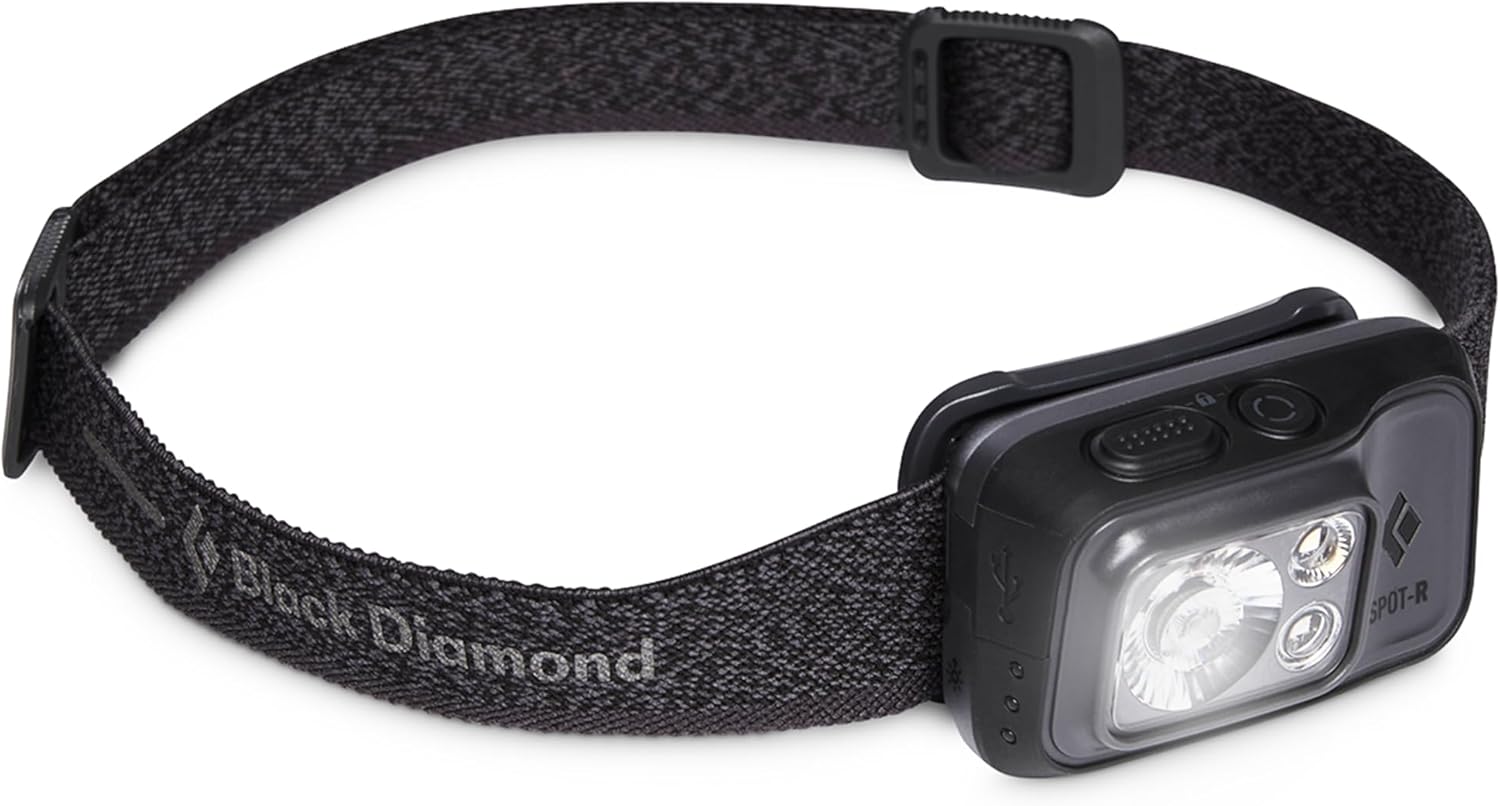
A weatherproof tent like the Coleman Sundome handles the rain that your weather app warned you about without added stress. The Black Diamond Spot 400-R headlamp provides enough brightness to consult a topo map or navigate a trail back to camp without draining in the middle of the night. And a packable Helinox Chair One gives you a comfortable place to sit and plan tomorrow's route while the campfire burns down.
Final Thoughts
No single app does everything, but a small suite of purpose-built tools covers nearly every scenario. Pair a navigation app like Gaia GPS with a campsite discovery platform like The Dyrt, add a weather app tuned for altitude, and load a few utility apps for nature identification and stargazing. Download everything before you leave, keep your phone charged, and your smartphone becomes one of the most reliable pieces of gear in your kit.