
Redwood National Park Camping: The Complete 2026 Guide
Plan your Redwood National Park camping trip — campgrounds, reservations, what to pack for foggy coastal nights, and the gear that keeps you comfortable under the tallest trees on Earth.
Use this guide for
Better camping decisions, faster trip planning, and clearer gear choices. Use this article as your starting point, then keep going with related camping guides and practical help articles below.
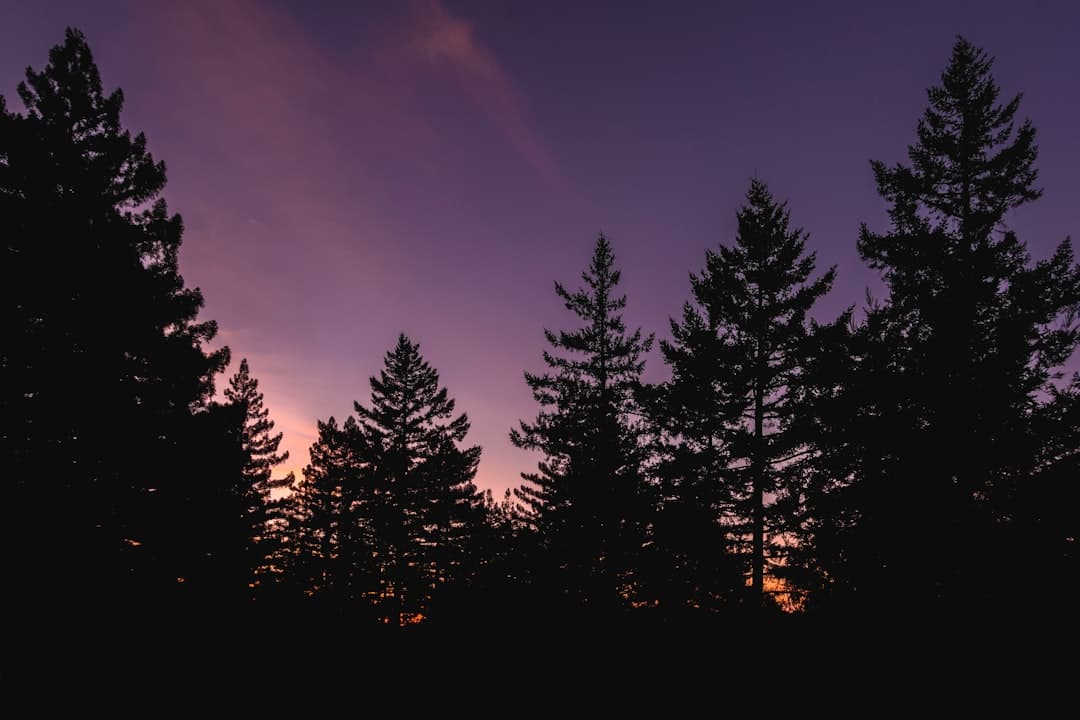
Camping in Redwood National Park puts you to sleep beneath the tallest trees on Earth — coastal giants that top 350 feet and have been standing since before the Roman Empire. But a great Redwood National Park camping trip takes a little planning: the campgrounds book out months ahead, the coastal weather is cooler and wetter than most people expect, and the park shares its land with Roosevelt elk and black bears. This guide covers where to camp, how to reserve a site, and exactly what to pack so the fog and damp never cut your trip short.
Where to Camp in Redwood National and State Parks
Redwood National Park is managed together with three California state parks as Redwood National and State Parks. That matters when you book, because nearly all the developed, drive-in campgrounds are technically in the state parks:
- Jedediah Smith Campground — inland along the Smith River, sunnier and warmer, with old-growth groves right off the loop.
- Mill Creek Campground (Del Norte Coast) — the largest campground, tucked in a second-growth forest a few miles from the coast.
- Elk Prairie Campground (Prairie Creek) — front-row seats to the Roosevelt elk herds and access to Fern Canyon.
- Gold Bluffs Beach Campground — the one to book if you want to fall asleep to surf; sites sit right behind the dunes.
The national park portion itself has no drive-in campgrounds. Instead it offers free backcountry and hike-in sites such as Nickel Creek, Flint Ridge, and the Mill Creek backcountry camp — all requiring a free permit from a visitor center.
Reservations and Timing

Drive-in sites are booked through ReserveCalifornia, and the reservation window opens six months in advance. Summer weekends — especially July and August — are the first to fill, so set a reminder for the exact day your dates open. Backcountry permits are free but limited; pick them up in person at the Kuchel or Hiouchi visitor centers.
The best stretch for camping runs from late spring through early fall. Just don't expect beach weather: this is one of the foggiest coastlines in the country. Summer highs sit in the low 60s°F, nights drop into the 40s and 50s, and marine fog can drip off the canopy like light rain even when there's no storm. Pack as if it will be damp, because it usually is.
What to Expect: Weather, Elk, and Bears
Three things surprise first-time Redwood campers:
- It's cold and wet. Cotton is a mistake here. Bring insulating layers, a warm hat, and a sleeping system rated well below the nighttime lows. A good rainfly and a ground tarp keep condensation and fog-drip out of your tent.
- The elk are huge — and wild. Roosevelt elk weigh up to 1,000 pounds and are most active and aggressive during the fall rut. Stay at least 50 feet back and never get between a bull and the herd.
- Bears live here. Every campground provides food-storage lockers. Use them for all food, trash, and scented items, and never store food in your tent. Our camping safety tips guide covers wildlife etiquette in more depth.
Best Things to Do From Camp
Base yourself at a campground and the park's highlights are short drives or hikes away:
- Fern Canyon — 50-foot walls draped in ferns, best reached from Gold Bluffs Beach.
- Tall Trees Grove — a free permit gets you onto the gated access road to some of the tallest trees anywhere.
- Lady Bird Johnson Grove — an easy, family-friendly loop through old-growth on a ridgetop.
- Coastal Trail — miles of bluff-top hiking where forest meets the Pacific.
Recommended Gear for Redwood Camping
The redwood coast rewards campers who prepare for cool, damp nights under a thick canopy. These three pieces do the heavy lifting:
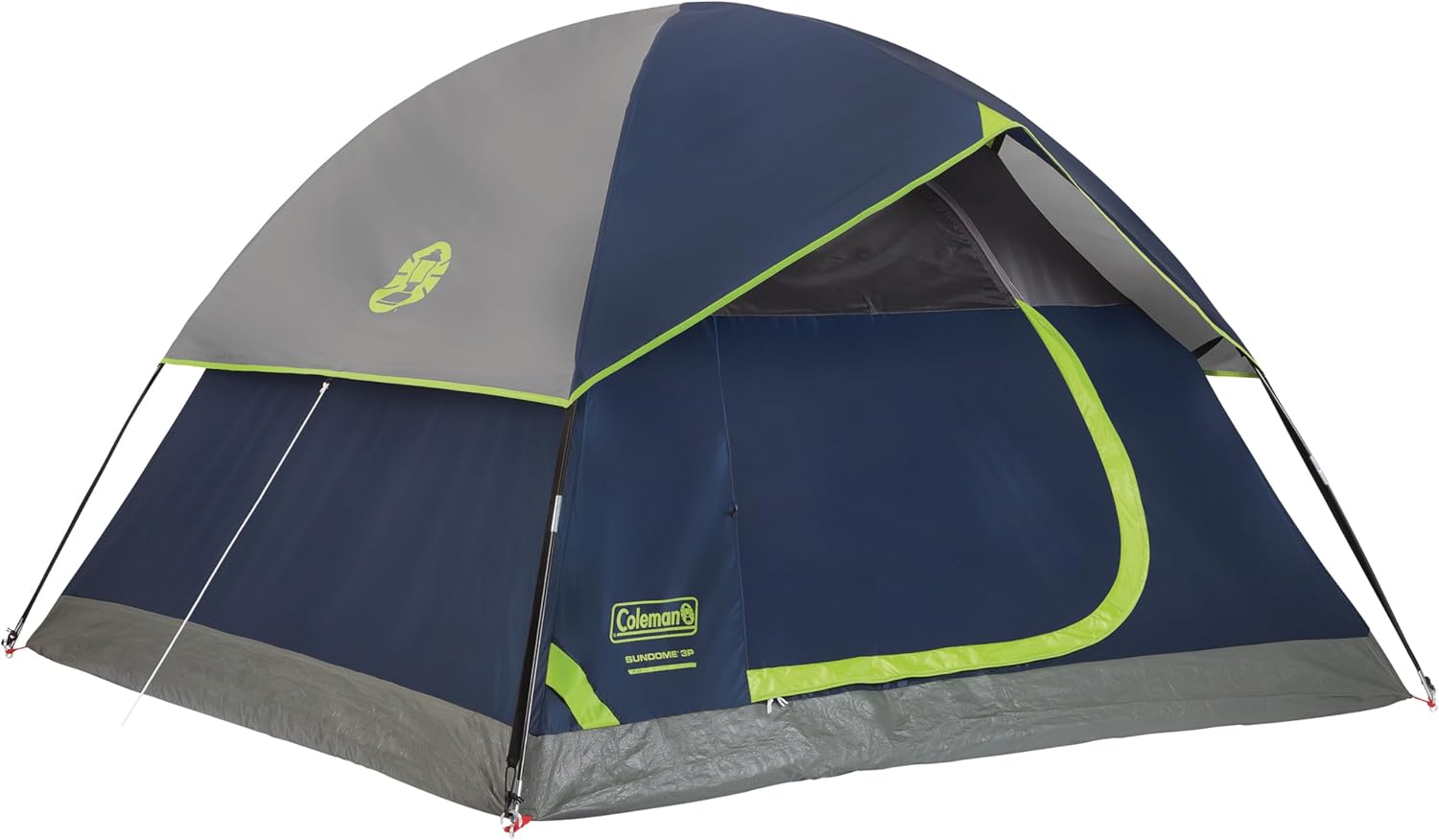
- Coleman Sundome Camping Tent — a freestanding dome with a full-coverage rainfly that handles fog-drip and the occasional coastal drizzle. It pitches in about 10 minutes, which you'll appreciate after a long drive up Highway 101. Learn to pitch it fast with our tent setup guide.
- Teton Celsius Sleeping Bag — with nights routinely in the 40s, a bag rated to 20°F or 0°F keeps you warm through the damp air. If you tend to sleep cold, our guide to staying warm while camping has extra tricks.
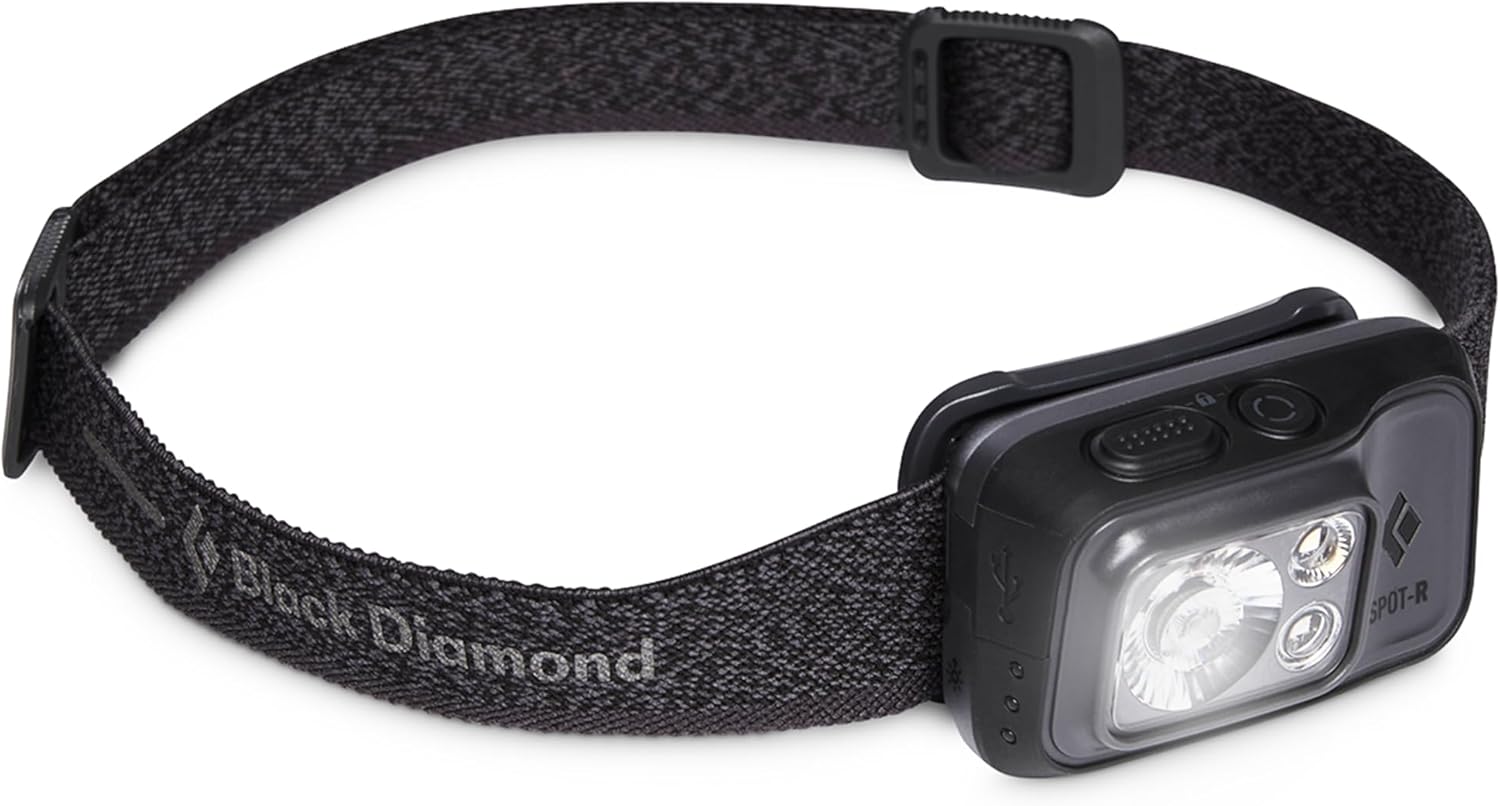
- Black Diamond Spot 400-R Rechargeable Headlamp — the old-growth canopy blocks moonlight, so campsites go pitch-black early. A bright, rechargeable, waterproof headlamp is far more useful than a lantern for trips to the food locker or the restroom.
Round out your kit with a warm mid-layer, a rain shell, and a sleeping pad for insulation from the cool ground. Run through our full camping checklist before you leave so nothing gets forgotten.
Final Tips
Book the moment your window opens, plan for fog rather than sun, and lock every scented item in the bear box. Do that, and a Redwood National Park camping trip delivers something few other campgrounds can — a night spent among the oldest, tallest living things on the planet.