
Joshua Tree Camping: The Complete 2026 Guide
Everything you need to plan a Joshua Tree camping trip — the best campgrounds, reservations, water and heat safety, dark-sky stargazing, and the gear for cold desert nights.
Use this guide for
Better camping decisions, faster trip planning, and clearer gear choices. Use this article as your starting point, then keep going with related camping guides and practical help articles below.
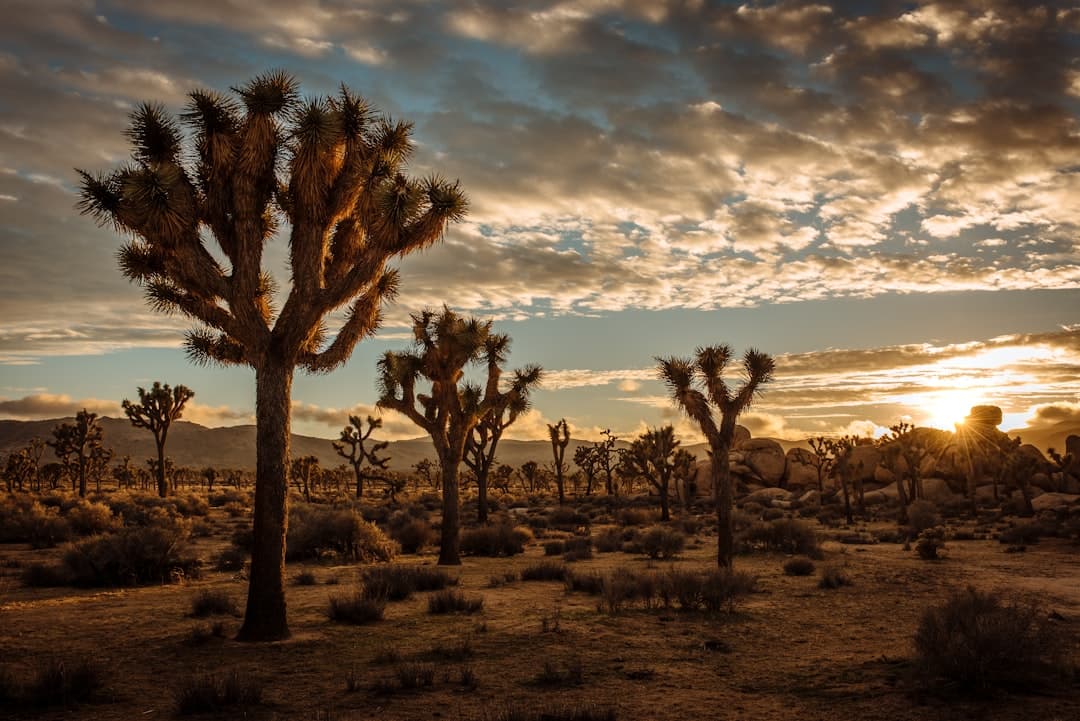
Joshua Tree camping puts you in one of the strangest, most beautiful landscapes in the country — a high desert where twisted Joshua trees, giant granite boulders, and some of the darkest night skies in Southern California all come together. It's also a place that punishes campers who show up unprepared: there's almost no water inside the park, the days can broil while the nights turn genuinely cold, and the most popular campgrounds fill months ahead. This guide covers where to camp, how to reserve a site, and exactly what to pack so the desert works for you instead of against you.
Why Camp in Joshua Tree?
Two deserts meet inside the park — the higher, cooler Mojave in the west and the lower, hotter Colorado in the east — and camping here lets you experience both. Days are for scrambling up boulder piles, walking among the namesake Joshua trees, and exploring hidden oases. Nights are for one of the best free shows in America: Joshua Tree is a certified International Dark Sky Park, and on a clear, moonless night the Milky Way is stunning overhead. Sleeping in the park, rather than day-tripping from town, is the only way to catch it.
Best Campgrounds in Joshua Tree National Park
There are nine campgrounds in the park, and they split into two groups:
- Jumbo Rocks — the largest and most iconic, tucked among huge granite formations kids and climbers love. Reservable.
- Indian Cove — set against a dramatic rock wall on the park's north edge, popular with climbers. Reservable.
- Black Rock and Cottonwood — the two campgrounds with potable water and flush toilets, making them the most beginner-friendly. Both reservable.
- Ryan and Sheep Pass — smaller, central, and close to popular trailheads. Reservable.
- Hidden Valley, Belle, and White Tank — first-come, first-served, prized by climbers and anyone who wants a quieter, more rugged site.

Note that most campgrounds have no water and no hookups — you pack in everything you drink, cook, and clean with.
Reservations and Timing
The reservable campgrounds book through Recreation.gov, and popular sites like Jumbo Rocks and Indian Cove can fill up to six months out for prime weekends. Set a reminder for the day your dates open. The first-come, first-served campgrounds — Hidden Valley, Belle, and White Tank — require rolling in early, ideally by Thursday or very early Friday on a busy weekend.
Timing matters more here than almost anywhere. Fall (October–November) and spring (March–May) are the sweet spot: mild days, cool nights, and wildflowers in spring. Winter is quiet and clear but nights drop below freezing. Summer is brutal — daytime highs regularly top 100°F, and camping is only for the heat-experienced.
Water, Heat, and Desert Safety
Three things catch first-time desert campers off guard:
- There's almost no water. Only Black Rock and Cottonwood have potable water; the rest have none. Bring at least one to two gallons per person per day and more if you're hiking. Running out in the desert is genuinely dangerous, not just uncomfortable.
- The temperature swing is huge. A 100°F afternoon can fall into the 50s overnight; a 65°F winter day can drop below freezing. Pack layers and a warmer sleeping bag than the daytime heat suggests you'll need. A day pack, sun protection, and electrolytes are as essential as your tent — our camping first aid kit guide covers what else to carry.
- Cell service is basically nonexistent. Download offline maps, tell someone your plans, and don't count on your phone for navigation or emergencies. Review our camping safety tips before you go.
Shade is scarce, so a tent or tarp you can pitch quickly for midday relief is worth its weight.
Stargazing and Things to Do From Camp
Base yourself in the park and the highlights are minutes away:
- Hidden Valley — a short, kid-friendly loop through a rock-enclosed basin.
- Barker Dam — an easy walk to a historic water tank and petroglyphs.
- Keys View — a sweeping overlook of the Coachella Valley, best at sunset.
- Cholla Cactus Garden — a surreal field of "teddy bear" cholla, glowing at golden hour.
- Stargazing — no special spot needed; just walk a few steps from your tent after dark and look up.
Recommended Gear for Joshua Tree Camping
The desert rewards campers who plan for heat by day and cold by night. These three pieces carry the load:
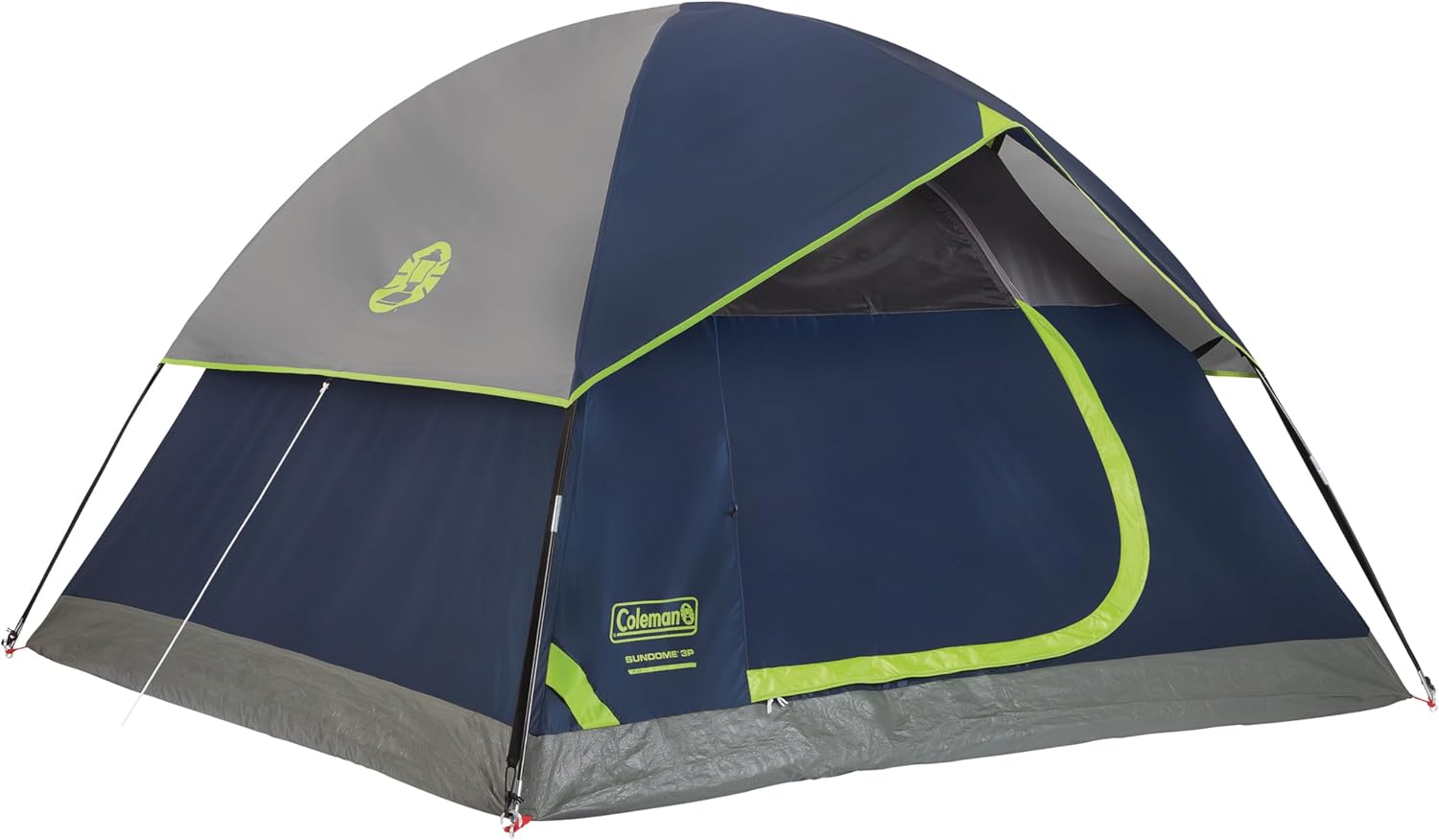
- Coleman Sundome Camping Tent — a freestanding dome you can pitch in about 10 minutes, giving you instant midday shade and a bug-free base at night. New to it? Our tent setup guide gets you fast.
- Teton Celsius Sleeping Bag — this is the piece people skip and regret. Desert nights routinely fall into the 40s and 50s even after hot days, and a bag rated to 20°F or 0°F keeps the chill from cutting your trip short.
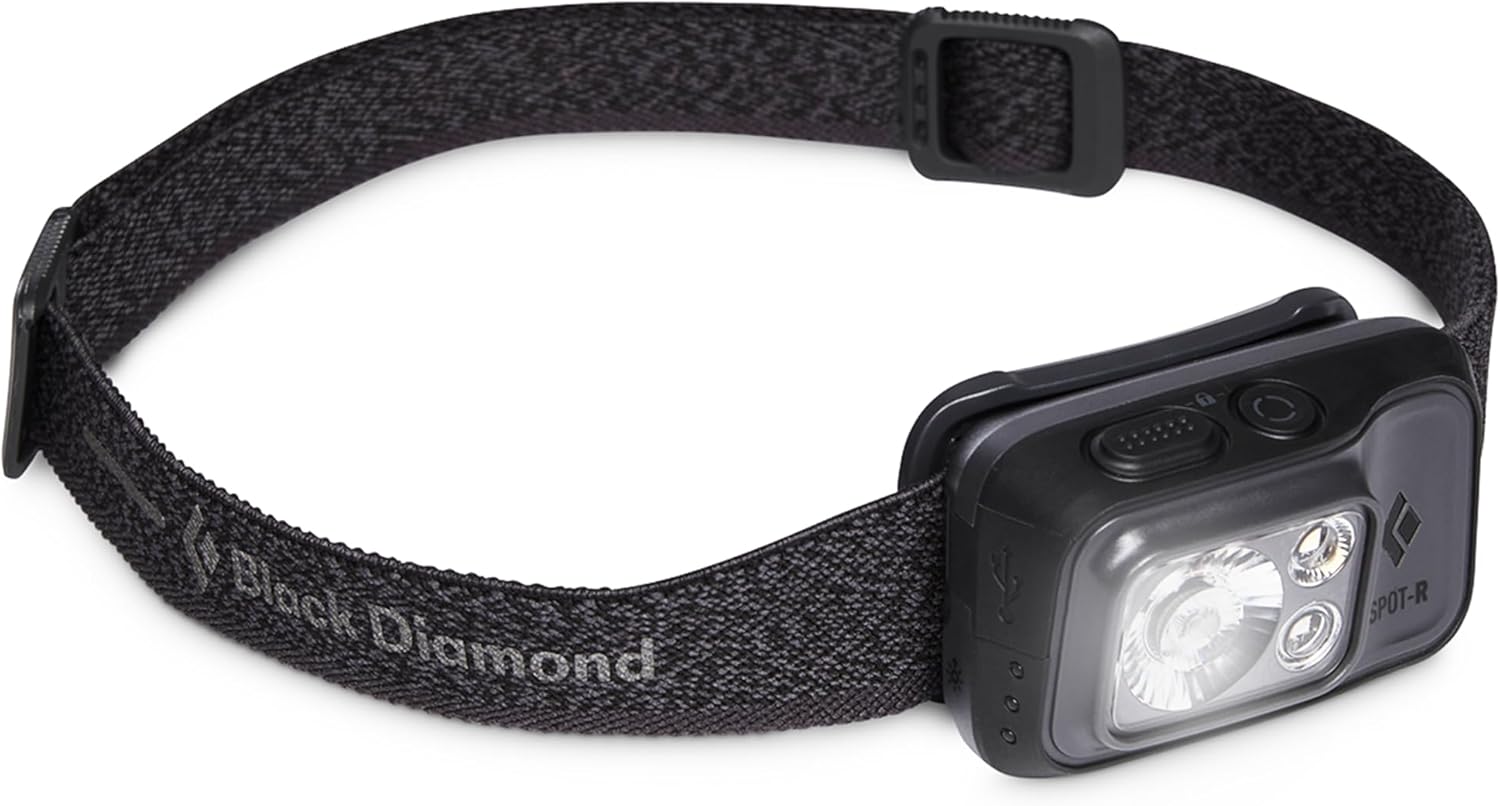
- Black Diamond Spot 400-R Rechargeable Headlamp — with no light pollution, the park is genuinely dark once the sun sets. A bright, rechargeable headlamp makes cooking, night bathroom trips, and post-stargazing navigation safe and simple.
Round it out with a wide-brim hat, plenty of water containers, and layered clothing, then run through our full camping checklist before you leave.
Final Tips
Book reservable sites the moment your window opens, come in fall or spring if you can, and treat water and layers as non-negotiable — the desert is unforgiving of both. Do that, and Joshua Tree delivers a rare combination: otherworldly daytime scenery and a night sky most people never get to see. Chasing more national-park nights? Our Redwood National Park camping guide and Olympic National Park camping guide are natural next stops.