
How to Store Food While Camping – Bear and Wildlife Safety
Proper food storage keeps wildlife safe and your campsite secure. Learn bear canister rules, hang bag technique, and camp kitchen hygiene.
Best for
Campers who want a fast answer they can use right away. This help article gives you practical safety & first aid advice without making you dig through a long camping blog post first.
Food storage is one of the most important safety habits in bear country — and one of the most commonly ignored. A bear that gets food from a campsite is a bear that will come back. Repeated incidents usually end with the bear being destroyed. Proper storage protects you, your campsite, and the wildlife.
The core rule
Never store food, scented items, or anything that smells like food in or near your tent. This includes:
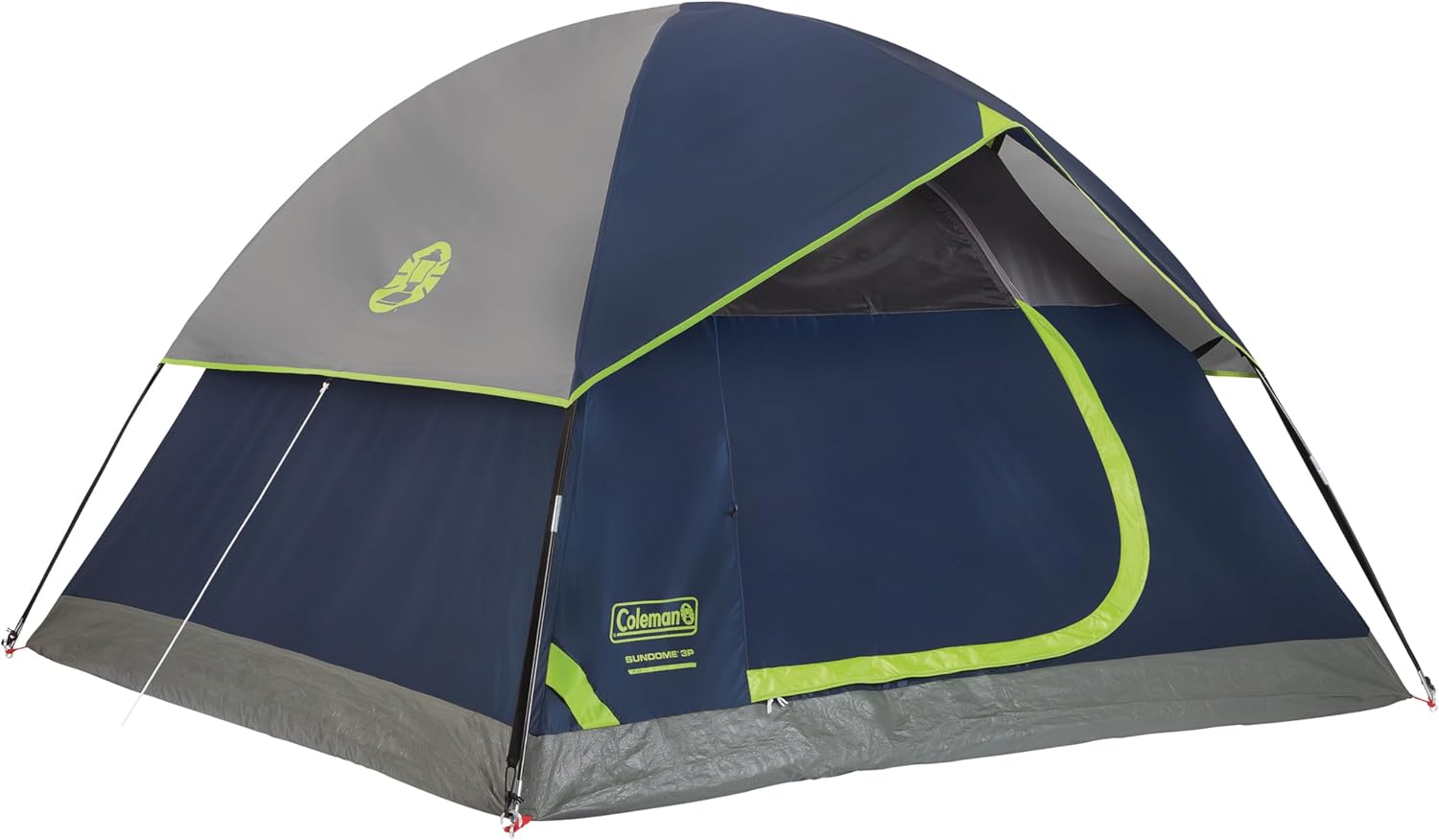
- Food and drinks (including unopened packaged food)
- Cooking pots, utensils, and stoves
- Empty food wrappers and garbage
- Toothpaste, sunscreen, lip balm, and insect repellent
- Clothing worn while cooking
If it smells, it does not sleep in the tent.
Storage options by situation
Bear canisters
Hard-sided bear canisters are required in many backcountry areas and strongly recommended elsewhere. They are bear-proof, compact enough to fit in a pack, and double as a seat at camp. Check your permit area's regulations — many parks list approved canister models.
Store the canister at least 200 feet from your tent, away from cliffs or water (so a bear cannot roll it off a ledge or into a stream).
Bear boxes and food lockers
Most developed campgrounds in bear country have metal food storage lockers at each site. Use them. Lock them completely — latches that are not fully engaged do not stop bears.
Do not leave food in your car if bear boxes are provided. Bears in high-use areas have learned to associate parked cars with food.
Hang bags (PCT hang / two-tree hang)
In areas without canisters or lockers, hanging your food bag is the fallback. The basic requirements:
- At least 200 feet from your tent
- At least 10 feet off the ground
- At least 4 feet from the trunk of the tree
- Hung between two trees if possible (single-tree hangs are easier for bears to defeat)
Use 50 feet of paracord or dedicated bear bag cord. Pack it before you leave home — finding the right tree after dark is harder than it sounds.
Car storage
Car camping in most parks means keeping food in a hard-sided vehicle with windows closed. Soft-sided coolers and fabric bags do not count. Keep the trunk organized so nothing is visible through glass — even an empty chip bag can be enough to prompt a break-in.
Camp kitchen habits
- Cook and eat at least 200 feet from your sleeping area
- Pack out all food scraps and trash — do not bury them
- Do not wash dishes or dump wash water near your tent
- Change out of cooking clothes before entering the tent if you have been splattered with food
What to do if a bear approaches
- Stay calm. Do not run.
- Make yourself large and make noise.
- If you have bear spray, have it ready — not in your bag.
- Back away slowly without turning your back.
- Give the bear a clear escape route.
Most bear encounters in campgrounds are opportunistic — the bear is after food, not you. Remove the food incentive and encounters drop dramatically.
A note on tents and wildlife
Your tent provides no protection from a determined bear. A properly rainflied tent does, however, help contain food odors if something scented accidentally goes in. Keep your tent clean and use it only for sleeping.