
Do You Need a Sleeping Pad for Camping?
Yes – a sleeping pad is essential for insulation and comfort. Here is why it matters and how to pick the right one for your trip.
Best for
Campers who want a fast answer they can use right away. This help article gives you practical faq advice without making you dig through a long camping blog post first.
Yes. A sleeping pad is not optional gear — it is one of the three essentials that most directly affects sleep quality and warmth. Here is why it matters and which type makes sense for your setup.
Why a sleeping pad is essential
Most people assume the sleeping bag does most of the insulation work. This is partially true for the top of your body, but the ground is a different problem entirely.
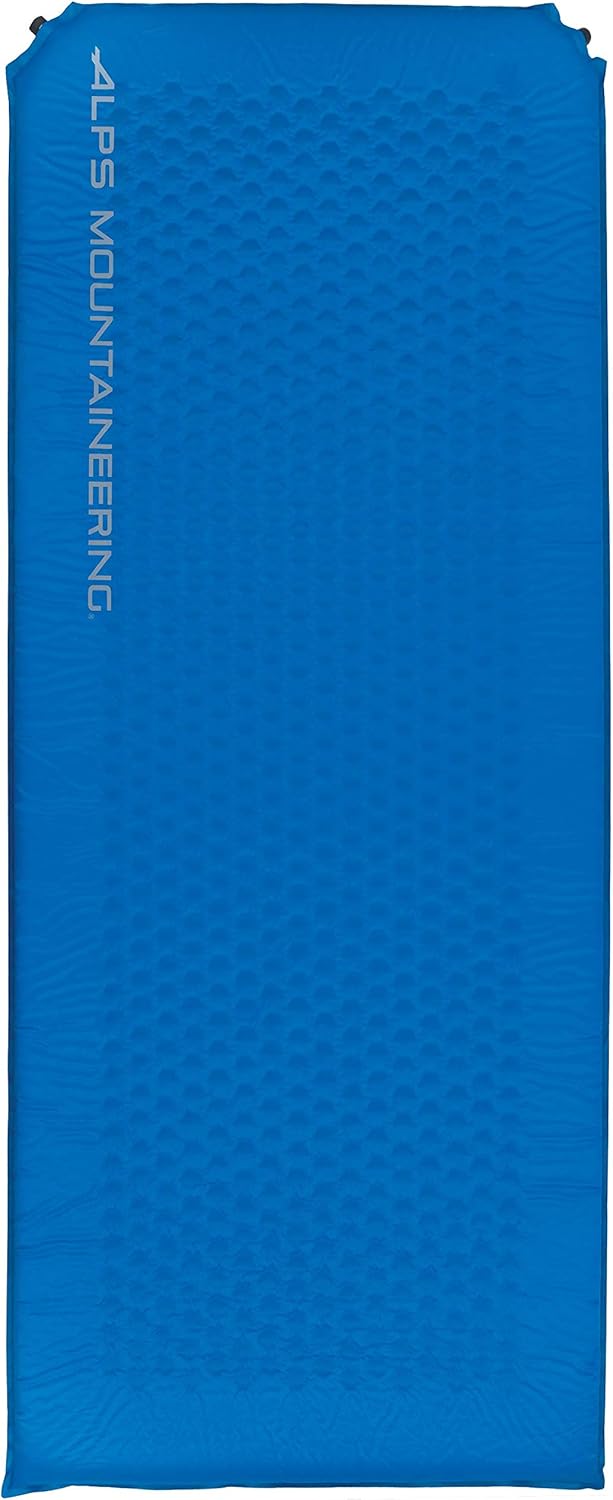
Cold ground conducts heat away from your body extremely efficiently. Even on a 60°F night, the ground beneath your sleeping bag can pull warmth out fast enough to leave you cold and awake. Your sleeping bag compresses under your weight, which destroys the loft that creates insulation. A sleeping pad replaces that lost insulation between you and the ground.
Comfort is the second reason. Hard, rocky, or uneven ground becomes unbearable after the first hour without a pad. A pad that provides even a small amount of cushioning dramatically improves sleep quality on multi-night trips.
The R-value number explained

Sleeping pads have an R-value rating — higher numbers mean more insulation. The rating represents resistance to heat flow.
- R-value 1–2: Three-season camping in mild conditions (nights above 40°F)
- R-value 3–4: Versatile for most three-season camping including cold nights
- R-value 5+: Winter camping and sleeping on snow
For most car campers and backpackers doing spring through fall trips, an R-value of 3–4 is the practical sweet spot.
Types of sleeping pads
Foam pads — Closed-cell foam, no moving parts, nearly indestructible. Light and cheap. Not the most comfortable. The correct answer for budget-conscious campers or as a backup pad.
Self-inflating pads — Open-cell foam core that expands when you open the valve, topped off with a few breaths. More comfortable than closed-cell foam, more packable, good insulation. The most common type for car camping and casual backpacking.
Inflatable pads (air pads) — No foam core, inflate entirely by lung or pump. Lightest option for backpacking. Very comfortable. More expensive, and a puncture requires a repair kit.
What to get for car camping
A self-inflating foam pad is the right answer for most car campers. It does not require careful inflation, stores easily, is highly durable, and handles temperature variation well. Look for an R-value of 3 or higher.
What to get for backpacking
Weight matters more for backpacking. A self-inflating pad under 2 lbs or a lightweight inflatable with an R-value of 3–4 covers most three-season trips. Ultralight backpackers often pair a thin inflatable with a foam sit pad for combined use.
Can you sleep without one?
Technically yes, but the result is poor sleep and a cold night. First-time campers who skip the sleeping pad often conclude they hate camping — when the actual problem was an easily fixed comfort issue. If you are camping in summer at sea level on a warm night, a pad is still worth bringing for the cushioning alone.
A sleeping pad and a sleeping bag that matches the temperature range are the two items that most directly determine whether you sleep well. Get both right and most other gear decisions become much less critical.