
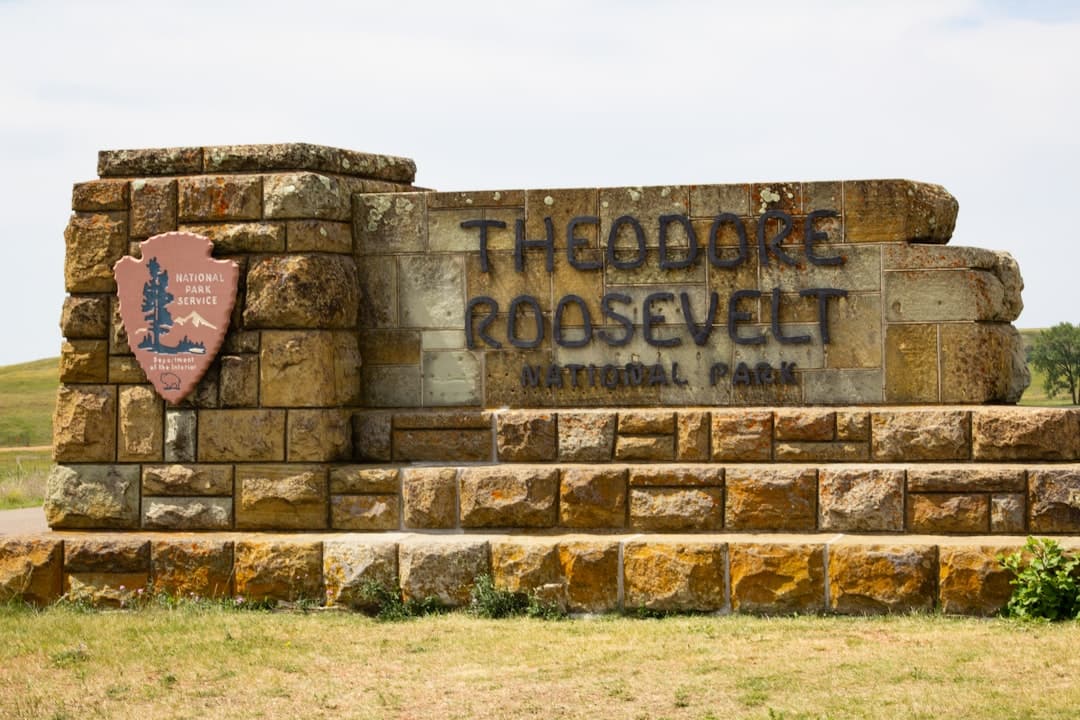
Theodore Roosevelt National Park Campgrounds: The Complete 2026 Guide
A practical guide to camping at Theodore Roosevelt National Park — Cottonwood and Juniper campgrounds, reservations, bison safety, weather, and what to pack.
Use this guide for
Better camping decisions, faster trip planning, and clearer gear choices. Use this article as your starting point, then keep going with related camping guides and practical help articles below.
Theodore Roosevelt National Park is the least crowded marquee park in the country, and the campgrounds are the reason to stay rather than drive through. There are only two developed ones in the whole park — Cottonwood in the South Unit and Juniper in the North Unit — and between them they cover about 120 sites of badlands, cottonwood bottomland, and some of the darkest night sky in the lower 48. Bison walk through both of them.
Here is what you need to know before you book.
The Park Has Three Units — Only Two Have Campgrounds
The park sits along the Little Missouri River in western North Dakota, split into three separate pieces roughly an hour's drive apart.
South Unit (Medora). The busier half, reached straight off I-94 at the town of Medora. This is where the scenic loop drive, the prairie dog towns, and the park's famous wild horses are. Cottonwood Campground is here, about five miles in from the entrance, set in a stand of cottonwoods along the river.
North Unit (near Watford City). Seventy miles north on Highway 85, quieter and arguably more dramatic — steeper walls, the Cannonball Concretions, and a scenic drive out to Oxbow Overlook. Juniper Campground sits on the river flats here, and a small longhorn steer herd grazes the unit.

Elkhorn Ranch Unit. The site of Roosevelt's own ranch, remote, gravel-road access, no campground and no services. Worth a day trip if you have a high-clearance vehicle and time.
Watch the clock. The South Unit is on Mountain Time and the North Unit is on Central Time. People miss ranger programs and check-in windows over this every summer.
Cottonwood vs. Juniper
Both campgrounds are simple: picnic table, fire ring, and a tent pad or gravel spur. Neither has hookups, showers, or a camp store. Flush toilets and potable water run in the warm season and get shut off in winter, when vault toilets take over and you carry your own water.
- Cottonwood (South Unit) — roughly 75 sites, some pull-through and RV-friendly, no length hookups but a dump station in the unit. Shade from mature cottonwoods, and the most reliable bison traffic of the two.
- Juniper (North Unit) — around 50 sites, smaller, quieter, and the better pick in July when the South Unit is full of Medora traffic. Loop layout with river access and a short nature trail.
- Roundup Group Horse Camp (South Unit) — group and stock camping, reserved separately.
Reservation policy has shifted in recent years — sites that were once entirely first-come, first-served now take bookings on Recreation.gov during the busy season, with some kept walk-up. Check the current split on the official Recreation.gov listing and the park's NPS page before you drive nine hours on a hunch.
Backcountry Camping
Both units allow backcountry camping with a free permit from a visitor center. There are no designated sites — you pick a spot a reasonable distance from roads, trails, and water. Two things to plan around: water sources are silty and unreliable (carry what you need or bring a serious filter), and the badlands clay turns into a paste that will not release your boots after rain. Our free camping guide covers the general dispersed-camping mindset, but here the permit and the water situation are the whole game.
Weather: Hot Days, Cold Nights, Constant Wind
The badlands run hot in the daytime and cool off hard after dark.
- Summer (June–August) — highs regularly in the 90s, with afternoon thunderstorms that arrive fast. Nights drop into the 50s. This is peak visitation and peak mosquito season along the river.
- Spring and fall — the sweet spot. May and September give you mild days, near-empty campgrounds, and better wildlife movement. Nights can dip near freezing.
- Winter — genuinely cold, sub-zero possible, with limited services and roads that may close. Camping is allowed but self-reliant.
Wind is a constant in every season. Stake everything, and pitch with the door out of the prevailing wind — see how to set up a tent if you want the tent to still be there in the morning. If you catch a storm, camping in the rain has the drills.
Wildlife Rules That Actually Matter Here
Bison are the reason this park has a safety reputation. They walk through both campgrounds, they are faster than they look, and 25 yards is the minimum distance — more if a calf is nearby. Never put a tent between a bison and the river.
Also plan for prairie rattlesnakes in rocky and grassy areas (watch your hands on scrambles), ticks in spring and early summer, and the wild horses in the South Unit, which are not tame despite how calm they look. Our camping safety tips cover the broader checklist.
Recommended Gear for Theodore Roosevelt National Park
Wind, big temperature swings, and true dark are what you're packing for:
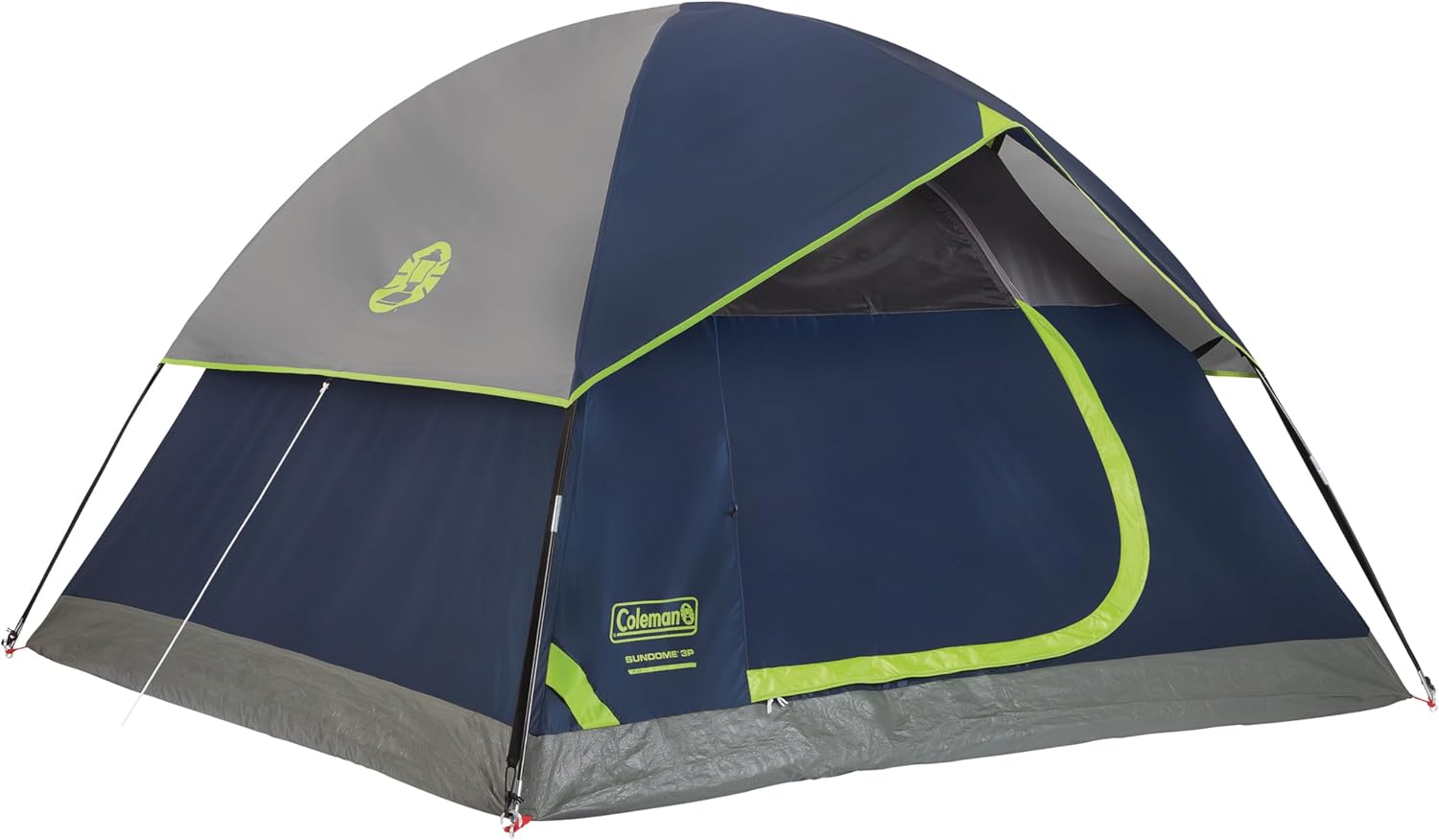
- Coleman Sundome Camping Tent — a weatherproof dome with a full rainfly that pitches in about ten minutes, which is what you want when a prairie thunderstorm shows up on the horizon. How to choose a tent covers sizing.
- Teton Celsius Sleeping Bag — a 20°F bag is the right call for a park where a 92°F afternoon turns into a 48°F night. See how to stay warm camping for the rest of the sleep system.
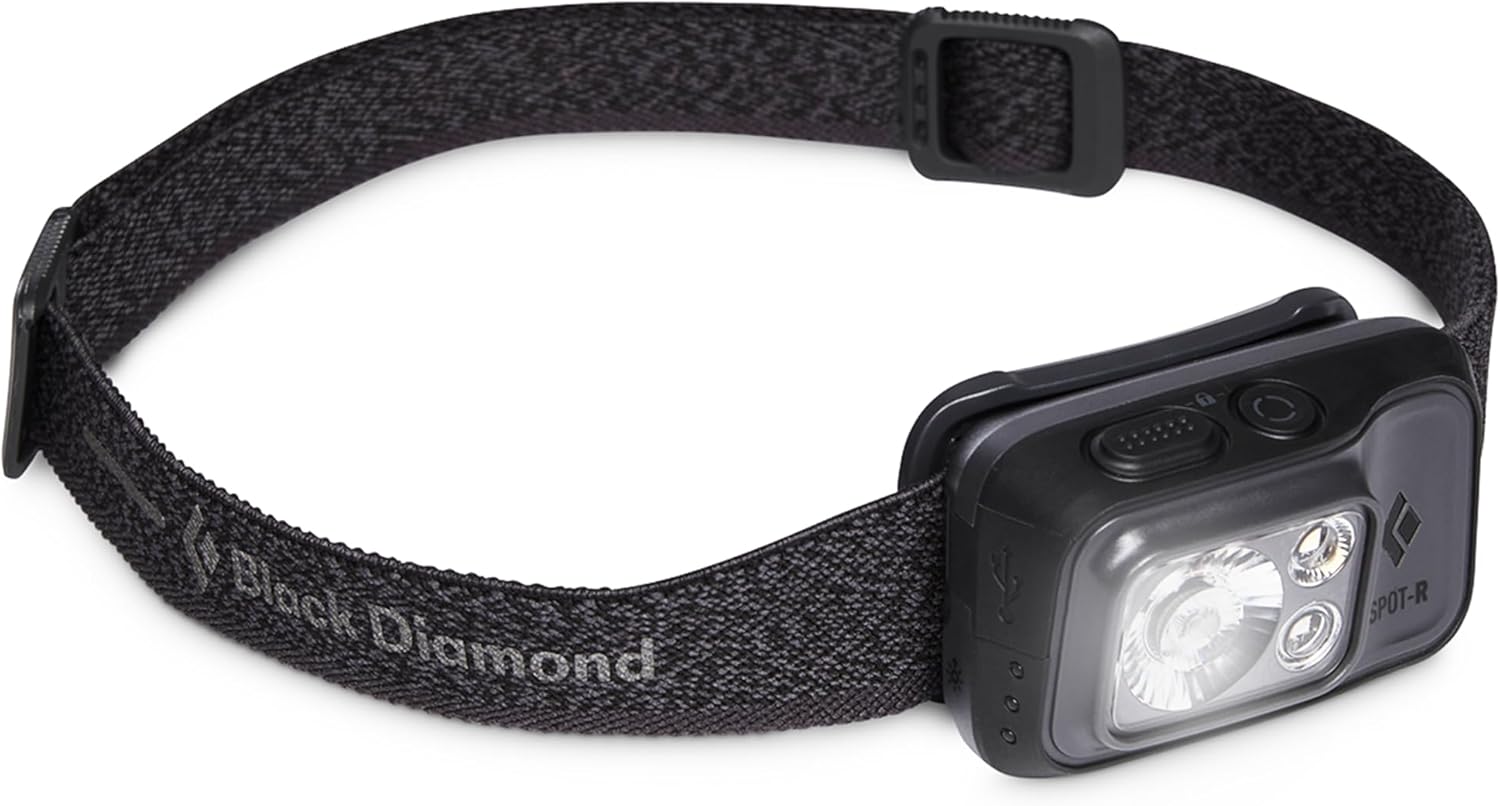
- Black Diamond Spot 400-R Rechargeable Headlamp — there is no light pollution here and no campground lighting. A 400-lumen rechargeable headlamp handles the walk to the vault toilet and the bison you'd rather see coming. More options in our best camping headlamp roundup.
Add a windbreak-ready tarp, extra stakes, sun protection, and bug spray, then run through the camping checklist before you load up.
Final Tips
Book Cottonwood or Juniper as soon as your dates are firm, go in May or September if you have the flexibility, and give each unit a full day rather than trying to see both in one. Set an alarm for the Milky Way — this is one of the best dark-sky parks in the system. If you're building a wider park road trip, our Big Bend National Park camping guide covers another quiet, wide-open park with the same self-reliant feel.