
Free Camping: How to Find Legal Free Campsites in 2026
Where free camping is legal, how to find dispersed sites on national forest and BLM land, the rules that keep it free, and the gear for going self-contained.
Use this guide for
Better camping decisions, faster trip planning, and clearer gear choices. Use this article as your starting point, then keep going with related camping guides and practical help articles below.
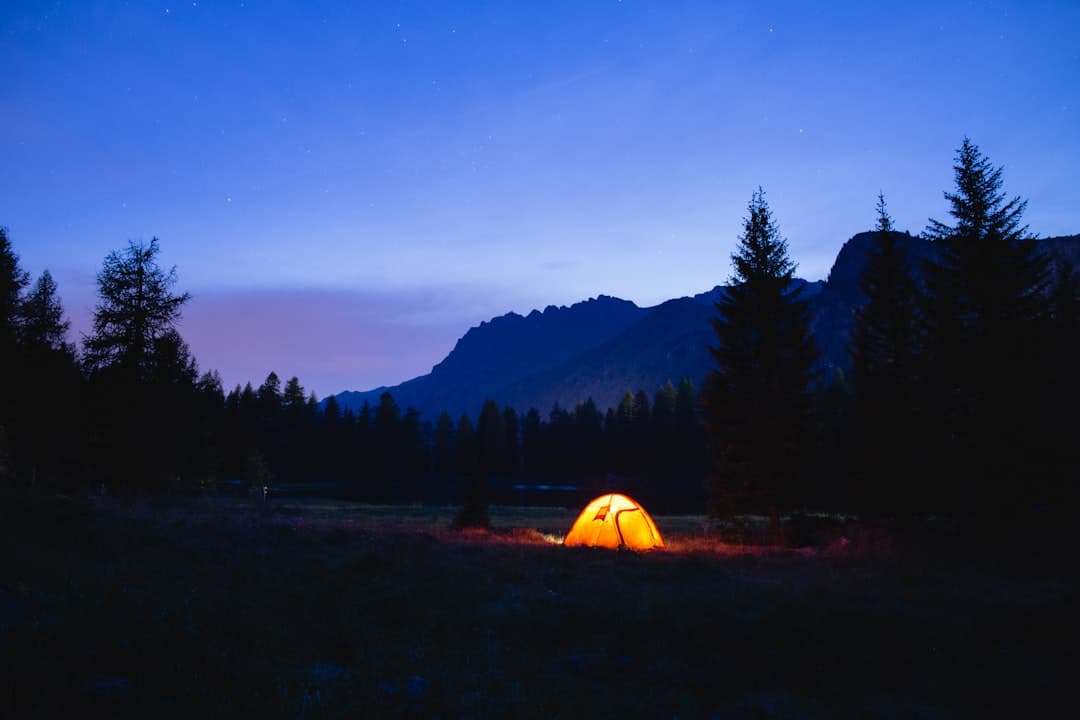
Free camping is not a loophole or a hack — on roughly 640 million acres of American public land, camping outside a developed campground is simply allowed. No reservation, no $35 site fee, no eleven-month booking window. The catch is that "free" and "easy" are different things: you bring your own water, pack out your own trash, and figure out where the legal boundary sits before you park. This guide covers where free camping is actually permitted, how to find sites, the rules that keep them open, and the gear that makes a no-facilities night comfortable.
Where Free Camping Is Legal
Most free camping in the U.S. falls into four buckets.
- National forest dispersed camping. The 154 national forests generally allow camping anywhere outside developed recreation areas unless a spot is specifically posted closed. This is the single biggest source of free sites in the country, and the best one east of the Rockies. Our dispersed camping guide covers the rules and site selection in depth.
- BLM land. The Bureau of Land Management administers about 245 million acres, concentrated in the West — Utah, Nevada, Arizona, New Mexico, Oregon, Wyoming, Montana. Dispersed camping is the default here too, and the open desert and high-plateau sites are spectacular.
- National grasslands, some state forests, and wildlife management areas. Rules vary a lot by state. WMAs often allow free camping but restrict it during hunting seasons.
- Overnight parking. Some Walmarts, Cracker Barrels, casinos, truck stops, and rest areas permit sleeping in a vehicle. This is parking, not camping — no chairs, no awning, no stove. Always ask the manager — a chain-wide policy doesn't apply to every store.
What almost never qualifies: national parks (developed campgrounds or backcountry permits only), state parks, private land without permission, and city streets.
How to Find Free Campsites

Start with the Motor Vehicle Use Map (MVUM) for the national forest you're headed to. It's a free download from the Forest Service and shows every road open to vehicles, plus which corridors allow camping within a set distance of the roadway — usually 30 to 300 feet. Pair it with a Forest Service or BLM district office phone call, which takes five minutes and gets you current fire restrictions, road washouts, and seasonal closures that no app will have.
Crowdsourced apps fill in the rest: user-submitted sites with photos, road-condition notes, and cell-signal reports. They're excellent for scouting and unreliable for legality — a pin someone dropped three years ago may now sit inside a closed area. Verify against the official map. Our guide to dispersed camping apps breaks down which ones are worth installing, and our camping app roundup covers the broader toolkit.
A practical rule: arrive with two hours of daylight left. Free sites aren't numbered or reserved, so you may drive past three occupied pullouts before you find yours, and you do not want to be reversing a loaded vehicle down an unfamiliar forest road in the dark.
The Rules That Keep It Free
Dispersed camping stays open because most people follow a short, consistent set of rules:
- Stay within the 14-day limit. Nearly all national forest and BLM areas cap you at 14 days in a 28-day period, after which you must move a set distance — often 25 miles — away.
- Use an existing site. If there's a bare patch with a rock fire ring, camp there. Creating a new clearing is how areas get closed.
- Camp on durable surfaces, and stay at least 200 feet from water sources, trails, and roads where local rules require it.
- Know the fire rules before you strike a match. Seasonal fire bans are common and heavily enforced across the West. When fires are allowed, our campfire guide covers doing it safely; when they aren't, a stove is your only legal cooking option.
- Pack out everything, including food scraps, and bury human waste 6–8 inches deep and 200 feet from water — or better, carry it out.
What "No Facilities" Actually Means
There's no water spigot, no toilet, no trash can, no picnic table, no reliable fire ring, and usually no cell signal. Plan for it:
- Water: bring one gallon per person per day, plus extra for dishes. Assume you'll find none.
- Waste: a trash bag that lives in the vehicle, and a plan for human waste.
- Power: no hookups. Charge everything before you leave pavement, and carry a battery bank.
- Navigation: download offline maps. Tell someone your route and expected return.
Read our camping safety tips before a first trip off-grid — self-rescue matters more when you're an hour from the nearest paved road.
Recommended Gear for Free Camping
Self-contained is the whole game. Three pieces do the heaviest lifting:
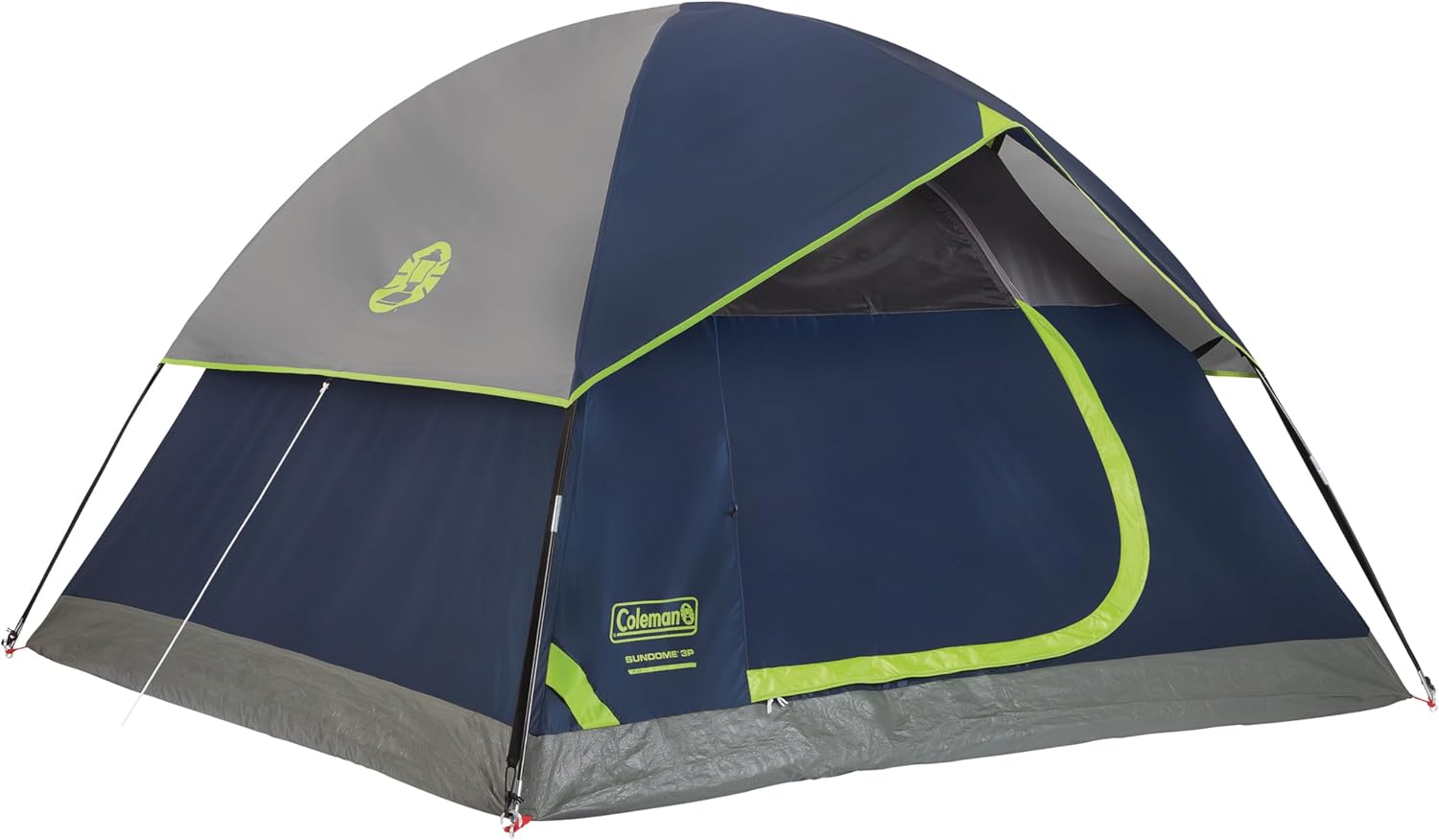
- Coleman Sundome Camping Tent — dispersed sites are rarely level or sheltered, so a freestanding dome you can pitch in 10 minutes and reposition when you find better ground beats anything fussier. New to it? See our tent setup guide.
- Coleman Triton 2-Burner Propane Stove — during a fire ban, this is the difference between a hot dinner and cold sandwiches. Wind guards matter on exposed BLM sites. More options in our camping stove guide.
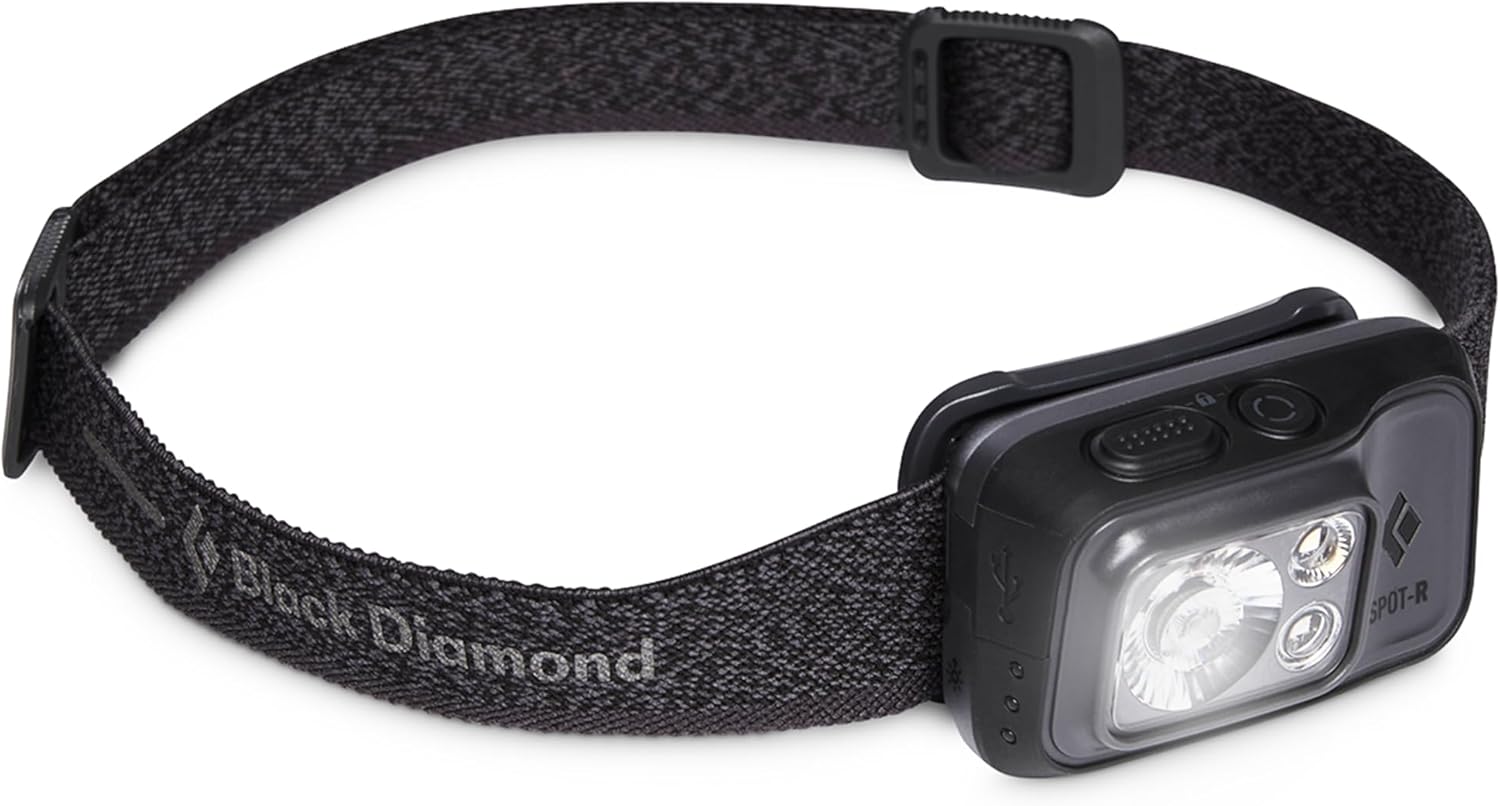
- Black Diamond Spot 400-R Rechargeable Headlamp — there is zero ambient light out there. Rechargeable means you top it off from the same battery bank as your phone, and waterproof means it survives a surprise storm. Compare picks in our headlamp roundup.
Then work through the full camping checklist — the margin for a forgotten item is much thinner with no camp store nearby.
Final Tips
Verify every site against an official MVUM or BLM map, call the district office for current conditions, arrive before dark, respect the 14-day limit, and leave the spot cleaner than you found it. Free camping trades convenience for space, quiet, and a $0 nightly rate — and the only thing keeping those millions of acres open is campers who treat them well.