
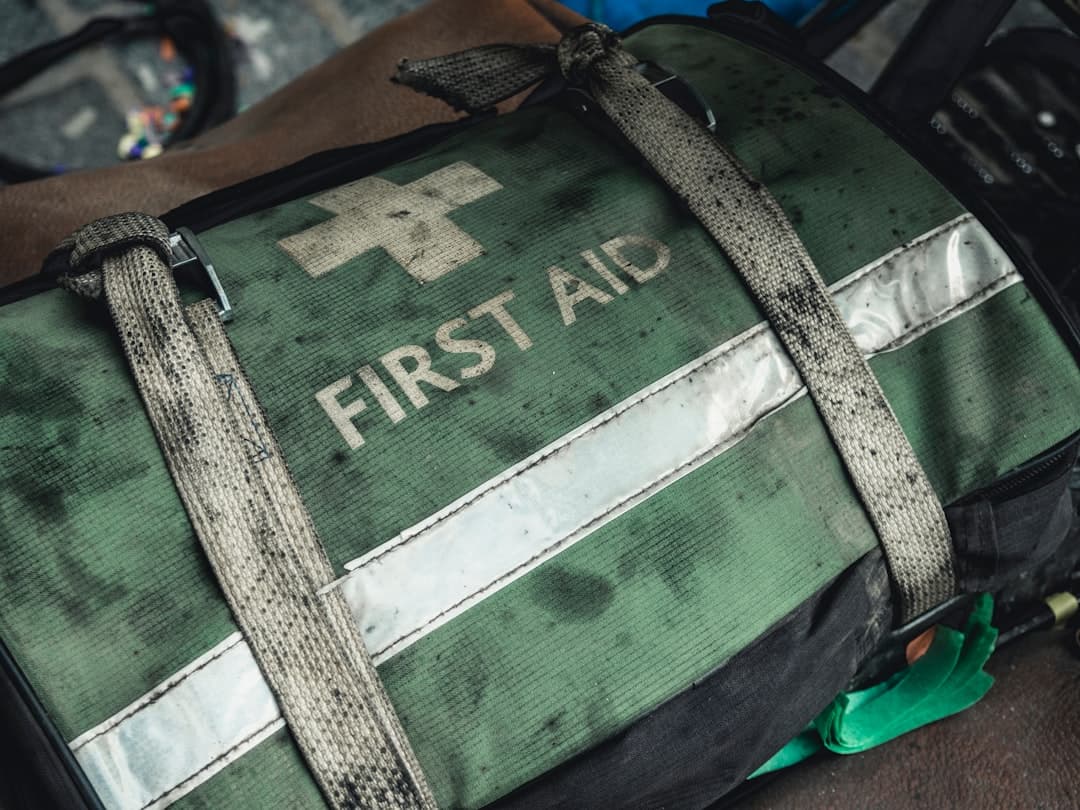
Camping First Aid Kit: What to Pack and Why It Matters
A well-stocked camping first aid kit can save the trip — or a life. Here's exactly what to pack and how to use it in the backcountry.
Use this guide for
Better camping decisions, faster trip planning, and clearer gear choices. Use this article as your starting point, then keep going with related camping guides and practical help articles below.
Every camper hopes they'll never need a first aid kit — but the ones who've been glad they packed one know it's non-negotiable. Whether you're car camping with the family or heading into the backcountry for a few nights, a well-stocked camping first aid kit is one of the most important things you can bring.
Why a Camping First Aid Kit Is Different from a Home Kit
Home first aid kits are designed for minor cuts and headaches. A camping first aid kit needs to handle injuries that happen miles from the nearest urgent care — twisted ankles on trail, burns from the camp stove, allergic reactions to insect stings, or blisters that turn into serious problems over a multi-day trip.
The good news: you don't need a paramedic's bag. You need the right items, organized so you can find them fast.
The Essentials: What to Pack
Wound Care

- Adhesive bandages in multiple sizes (including knuckle and fingertip)
- Sterile gauze pads (2x2 and 4x4)
- Medical tape
- Elastic bandage (ACE wrap) for sprains
- Antiseptic wipes and antibiotic ointment
- Blister treatment — Moleskin or hydrocolloid bandages are far better than regular bandages for foot blisters
- Tweezers (for splinters and ticks)
- Small scissors or a multi-tool with scissors
Medications
- Ibuprofen or acetaminophen for pain and fever
- Antihistamine (Benadryl) for allergic reactions
- Antacid tablets
- Anti-diarrheal medication
- Electrolyte packets — crucial for heat exhaustion prevention and recovery
- Any personal prescriptions, including an epinephrine auto-injector if you have severe allergies
Blister and Foot Care
Blisters are the most common camping injury and can end a trip fast. Carry Moleskin, a small pair of nail scissors, and a blister needle to drain if needed.
Cold and Hypothermia Prevention
A sleeping bag that keeps you warm even when wet is an essential part of your safety system on cold nights — not just for comfort, but for preventing hypothermia. The Teton Celsius Sleeping Bag is rated down to 20°F and is a smart choice for three-season camping when overnight temps can drop unexpectedly. If someone in your group gets cold and wet, getting them into a dry sleeping bag is the first line of treatment.
Emergency Items
- Emergency whistle
- Space/emergency blanket — compact, lightweight, invaluable for shock or hypothermia
- CPR face shield
- SAM splint for fractures and sprains
- Safety pins
Night Safety: A Headlamp Is First Aid Too
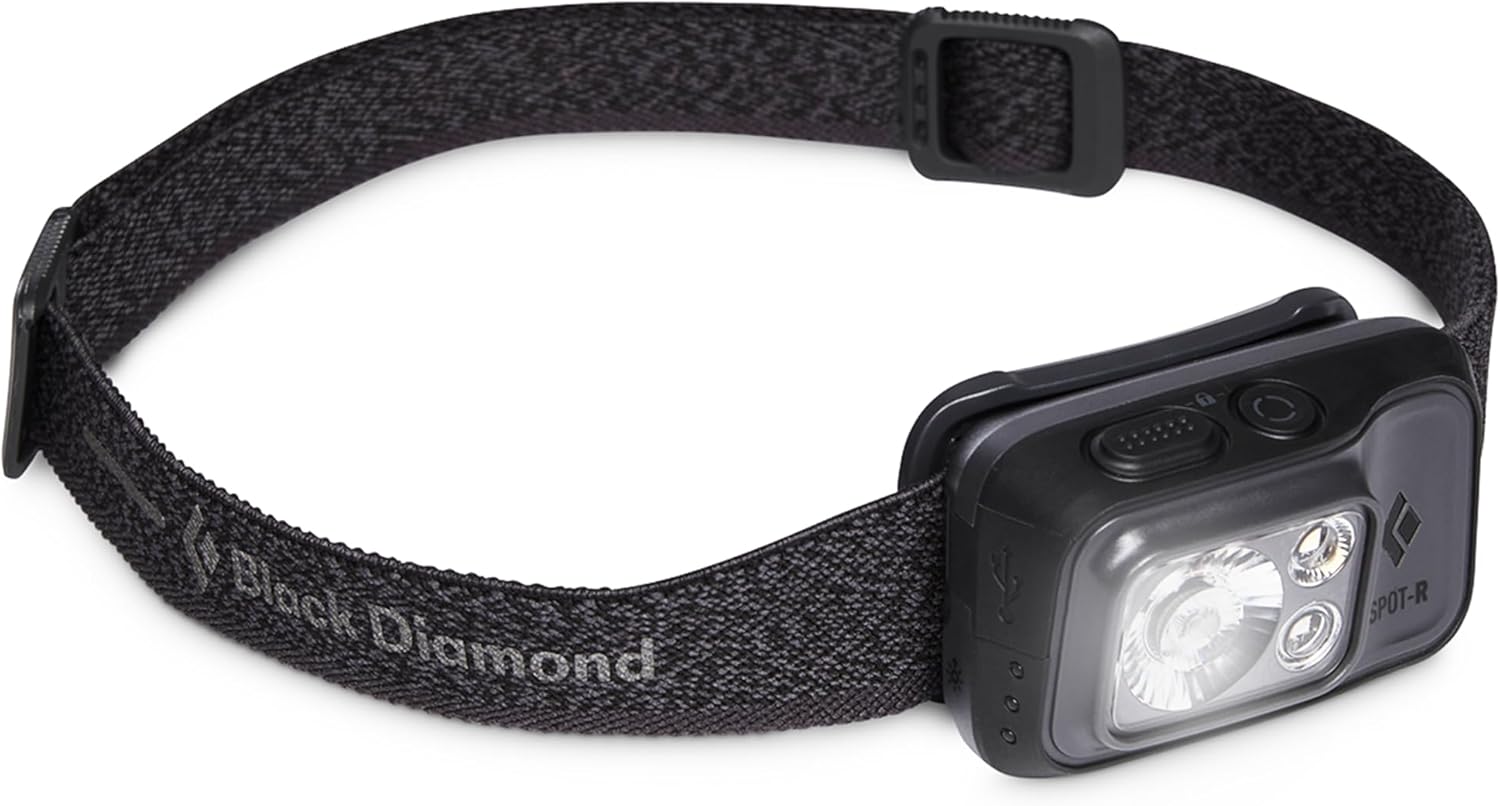
Many camping injuries happen in the dark — tripping on roots, stumbling to the bathroom at 2am, or trying to treat an injury without enough light. A reliable headlamp isn't just convenient; it's a safety item. The Black Diamond Spot 400-R Rechargeable Headlamp puts out 400 lumens, charges via USB, and is waterproof — meaning it works when you need it most. Keep it in or next to your first aid kit so you can always treat injuries at night without fumbling for your phone.
How to Organize Your Kit
Use a water-resistant bag with clear pockets or a roll-up organizer so you can see everything at a glance. Label sections: wound care, medications, emergency. Heavier items like the ACE wrap go on the bottom; things you'll reach for first (bandages, antiseptic) stay on top.
Store your first aid kit in the same place every trip. When everyone in your group knows where it is, response time improves when it matters.
Pre-Trip Checklist
Before every camping trip, do a quick audit of your first aid kit:
- Check expiration dates on all medications
- Replace anything that was used on the last trip
- Add any destination-specific items (altitude sickness medication for high-elevation trips, extra blister care for long hikes)
- Make sure everyone in your group knows where the kit is
When to Use Your Kit — And When to Evacuate
A good camping first aid kit handles the manageable stuff: minor cuts, blisters, sprains, bug bites, upset stomachs, and sunburns. It buys time and stabilizes the situation. But know when to call for help: suspected fractures, chest pain, head injuries, severe allergic reactions (use that epinephrine pen), or wounds that won't stop bleeding all warrant evacuation, not field treatment.
The goal of your camping first aid kit is to treat what you can and get the person out safely when you can't.
Start with a Pre-Made Kit, Then Customize
If you don't want to build from scratch, a pre-assembled 200-piece camping first aid kit gives you a solid base. From there, add your personal medications, blister-specific gear, and any destination-specific items. It's faster to add to a complete kit than to piece one together item by item.
Pack smart, know your basics, and get outside with confidence.