
Washington State Camping: The Complete 2026 Guide
Camp the Olympic coast, the North Cascades, and Mount Rainier — where to go, how reservations work, what the weather really does, and exactly what to pack.
Use this guide for
Better camping decisions, faster trip planning, and clearer gear choices. Use this article as your starting point, then keep going with related camping guides and practical help articles below.
Camping in Washington state covers more terrain than almost anywhere else in the country: temperate rainforest, a wild Pacific coastline, three national parks, glaciated volcanoes, and — just over the Cascade crest — high desert and sun-baked lakes. This guide covers where to camp across Washington state, how reservations and the Discover Pass work, when to go, and what to pack for a climate that changes completely depending on which side of the mountains you're on.
Why Camp in Washington State?
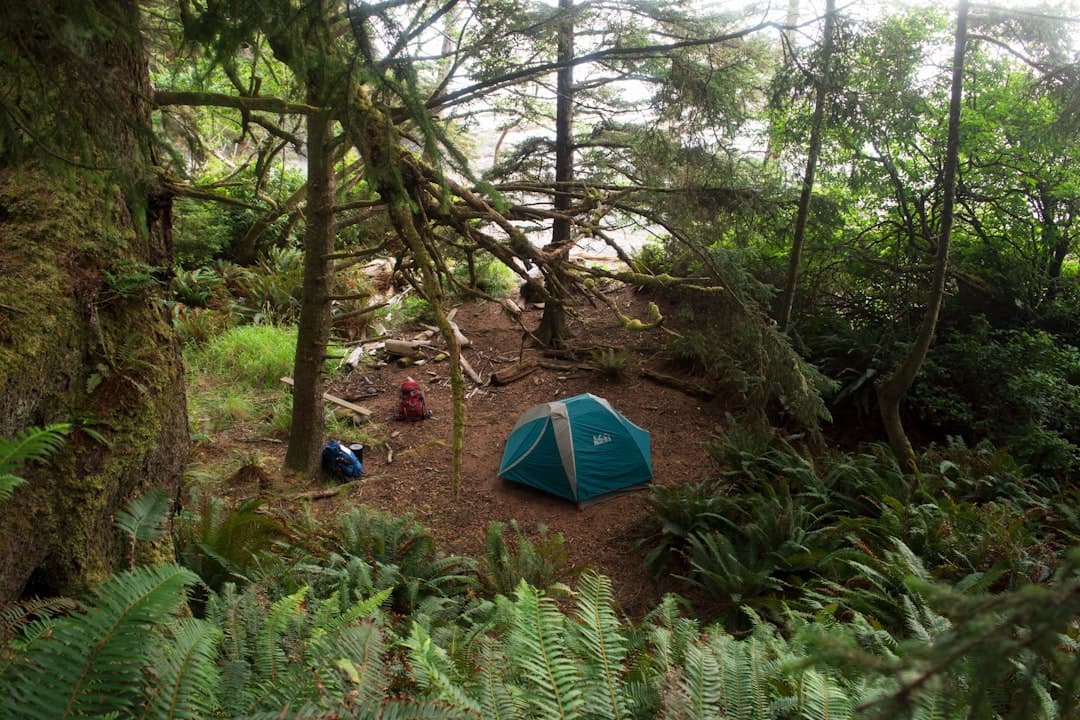
Few states pack this much variety into one trip. You can fall asleep to surf on the Olympic coast, wake up under old-growth Douglas fir in the Hoh Rain Forest, and be camped in warm, dry pine country east of the Cascades two days later. Washington's public land is vast — three national parks, more than a hundred state parks, and millions of acres of national forest — so there's a campsite for every style, from drive-up family loops to boat-in island sites.
The West Side vs. the East Side
The single most important thing to understand about Washington camping is the Cascade rain shadow.
- West of the Cascades — Seattle, the Olympic Peninsula, and the coast — is green, mossy, and wet. The Hoh Rain Forest gets around 12 feet of rain a year. Summer is the dry window; the rest of the year is damp.
- East of the Cascades — the Columbia Basin, Lake Chelan, the Methow Valley — sits in the rain shadow and is warmer, sunnier, and drier, with real summer heat and cold, clear nights.

Pick your region by the forecast you want, and pack for it.
The National Parks
Washington's three national parks each book through Recreation.gov:
- Mount Rainier — Cougar Rock, Ohanapecosh, and White River campgrounds circle the mountain, with wildflower meadows in late summer. Reservations go fast for summer weekends.
- Olympic — Kalaloch and Mora on the coast, Sol Duc near the hot springs, and the Hoh Rain Forest inland make it the most varied park in the state. Our full Olympic National Park camping guide breaks it down campground by campground.
- North Cascades — Colonial Creek and Newhalem Creek line the North Cascades Highway (State Route 20), which closes in winter under heavy snow. Rugged, quiet, and dramatic.
State Parks and the Discover Pass
Washington's state parks are the backbone of camping here, and a few things are worth knowing before you book:
- The Discover Pass. Day-use parking at state parks and other state recreation land requires a Discover Pass — $30 a year or $10 a day. A camping reservation covers your access while you're camped, but the pass is what you need for trailhead and day-use lots.
- Reservations run through the state's Washington Goingtocamp system, opening on a rolling window months ahead. Coastal and island parks sell out first.
- Standouts — Moran State Park on Orcas Island (ferry-access San Juans), Deception Pass north of Whidbey Island (the most-visited park in the state), and Cape Disappointment at the mouth of the Columbia.
When to Go
July through September is the reliable dry season west of the Cascades — and the reason summer sites vanish so fast. Late spring and early fall are quieter and beautiful but wetter on the coast. East of the mountains, the season stretches longer and hotter. Even in July, mountain and coastal nights drop into the 40s — pack as if it will be cold, because it will be.
What First-Time Washington Campers Should Know
- Assume rain, even in summer, on the west side. A quality rainfly, a ground tarp, and a dry change of clothes make or break a coastal trip.
- This is bear country. Black bears live throughout the Cascades and Olympics. Store all scented items properly — our bear-safe food storage guide covers the routine, and wilderness zones may require a bear canister.
- Buy the Discover Pass ahead of time if you'll use state-park day-use lots — rangers do ticket.
- Mountain roads close seasonally. SR 20 through the North Cascades and other high routes shut for winter; never assume a pass is open without checking.
- Ferries add time. San Juan Island camping means ferry reservations and a schedule — build them into your plan.
Give our camping safety tips a read before you head out.
Recommended Gear for Washington State Camping
Wet ground, cool nights, and long days on the trail — this core kit is built for the Pacific Northwest:
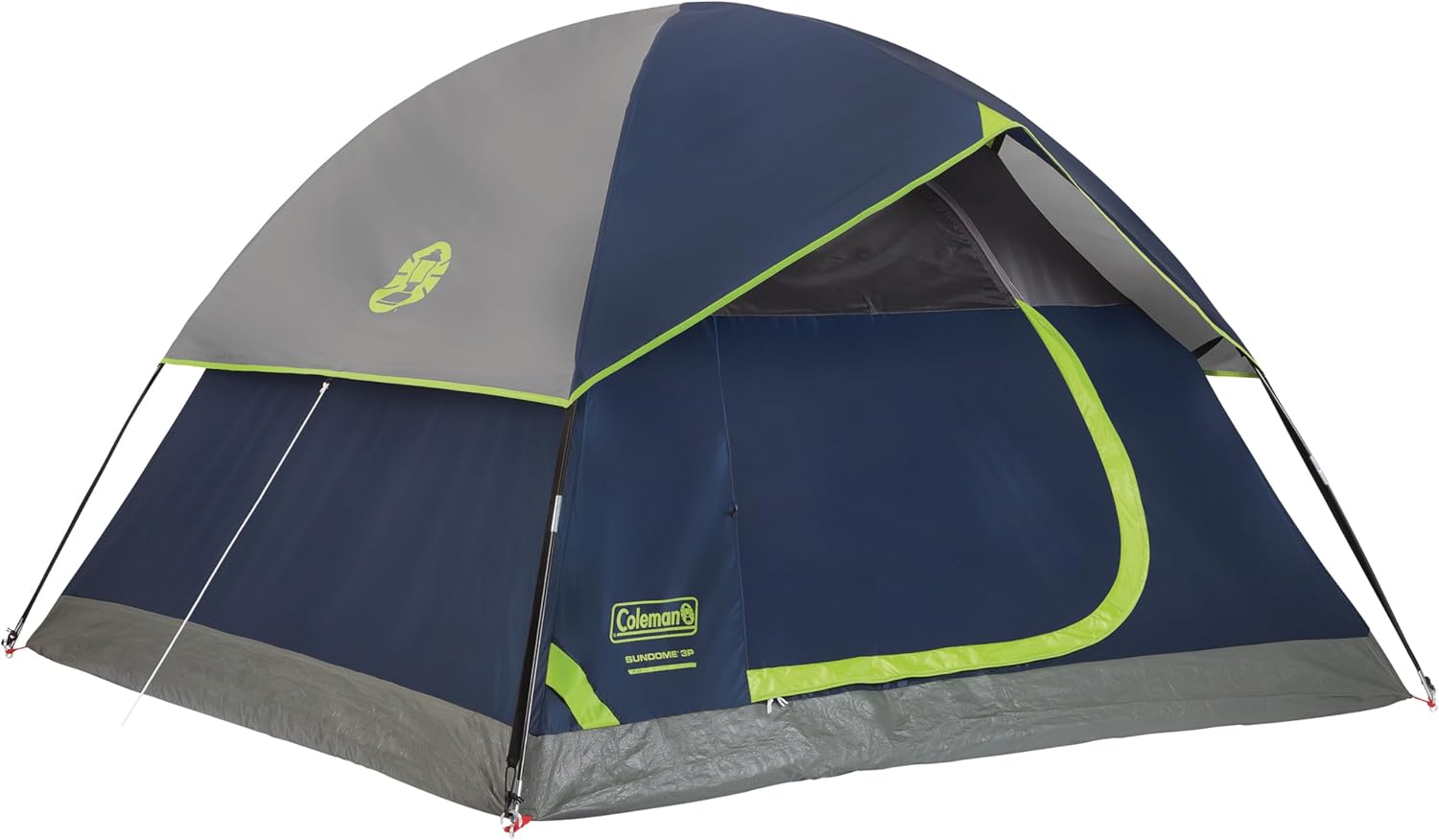
- Coleman Sundome Camping Tent — its rainfly and weatherproof build are exactly what the wet west side demands, and it pitches in about 10 minutes. New to it? Our tent setup guide gets you fast.
- Teton Celsius Sleeping Bag — Washington nights drop into the 40s, colder in the mountains, even in July. A bag rated to 20°F keeps you warm through it.
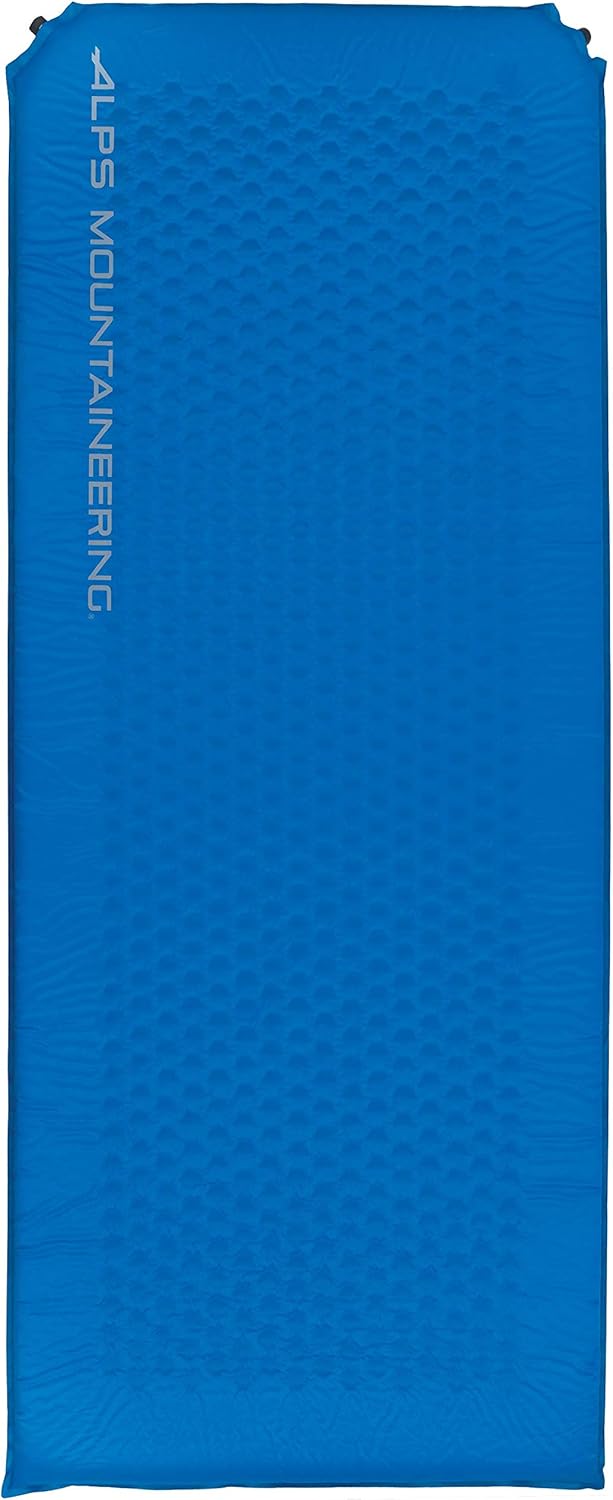
- ALPS Mountaineering Flexcore Self-Inflating Air Pad — a pad here isn't just comfort; it insulates you from cold, often-damp ground. Our guide on whether you need a sleeping pad makes the case.
Then run through our full camping checklist before you load the car.
Final Tips
Book summer sites the day the window opens, keep the Discover Pass in the glovebox, and pack for rain and cold no matter what the Seattle forecast says. Do that, and Washington rewards you with rainforest, coastline, and alpine volcanoes in a single trip — the kind of variety few states can match.