
Michigan Camping: The Complete 2026 Guide
Camp the Great Lakes shoreline, the Porkies, and Sleeping Bear Dunes — where to go, how reservations and the Recreation Passport work, and what to pack.
Use this guide for
Better camping decisions, faster trip planning, and clearer gear choices. Use this article as your starting point, then keep going with related camping guides and practical help articles below.
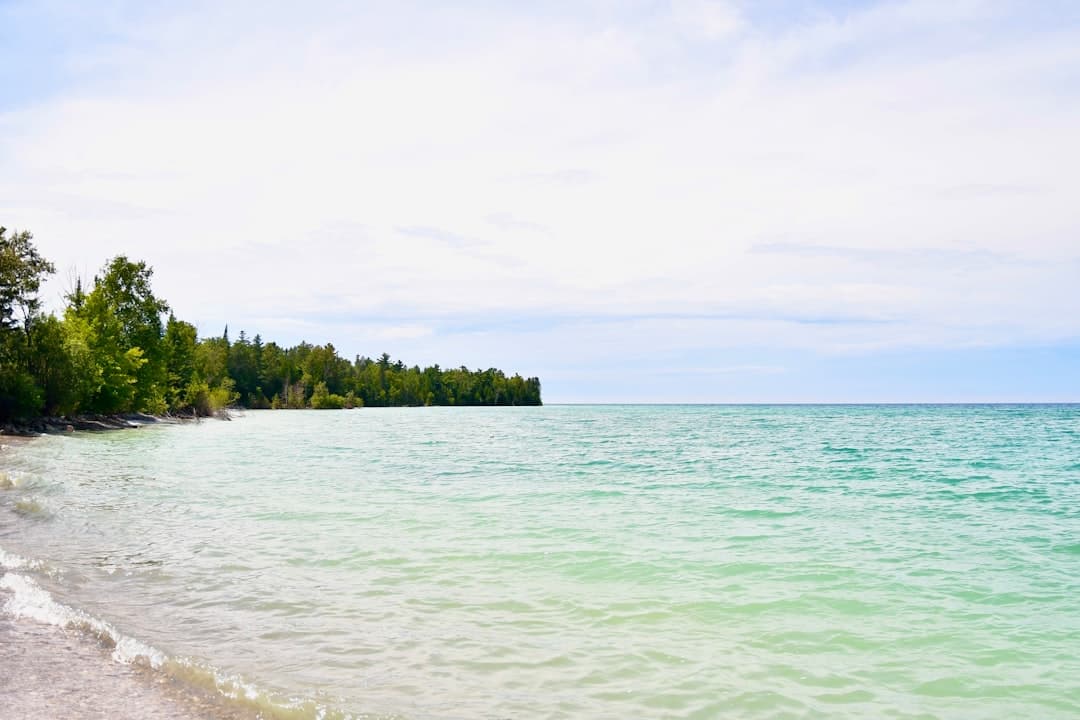
Camping in Michigan revolves around water. The state touches four of the five Great Lakes, holds more freshwater shoreline than any other state, and scatters thousands of inland lakes through the forests in between. This guide covers where to camp in Michigan across both peninsulas, how state park reservations and the Recreation Passport work, when to go, and what to pack for Great Lakes weather that can hand you all four seasons in one weekend.
Why Camp in Michigan?
Michigan camping is beach camping, forest camping, and waterfall camping all in one state. You can pitch a tent behind a Lake Michigan sand dune, on a sandstone bluff above Lake Superior, or under old-growth white pine that predates the state itself. With around 100 state parks, two national lakeshores, a wilderness island national park, and millions of acres of state and national forest, there's a campsite for every style — from full-hookup family loops to hand-pump rustic sites where your headlamp is the only light for miles.
Two Peninsulas, Two Different Trips
The Mackinac Bridge splits Michigan camping into two distinct experiences:
- The Lower Peninsula is the warmer, busier half — Lake Michigan beach towns, Sleeping Bear Dunes, Ludington, and Traverse City. Expect modern campgrounds, swimmable water in late summer, and heavy family traffic on July weekends.
- The Upper Peninsula is wilder and cooler. Lake Superior keeps summers crisp, the crowds thin out, and the campgrounds skew rustic. This is where you go for cliffs, waterfalls, and genuinely dark night skies.

The Big Destinations
- Sleeping Bear Dunes National Lakeshore — towering dunes over Lake Michigan. Platte River (modern) and D.H. Day (rustic) campgrounds book through Recreation.gov and vanish for summer weekends.
- Pictured Rocks National Lakeshore — painted sandstone cliffs on Lake Superior near Munising. Small drive-in campgrounds like Twelvemile Beach and Hurricane River are first-come or reservable depending on season — arrive early either way.
- Porcupine Mountains Wilderness State Park — "the Porkies," the biggest wilderness in the state. Camp at Union Bay on Superior's shore or backpack to the Lake of the Clouds country.
- Tahquamenon Falls State Park — root-beer-colored waterfalls (tannin-stained, and famous for it) with large, well-run campgrounds between the Upper and Lower Falls.
- Ludington State Park — sandwiched between Hamlin Lake and Lake Michigan, and widely considered the toughest camping reservation in Michigan. Book the instant your window opens.
- Isle Royale National Park — a roadless Lake Superior island reached by ferry or seaplane; camping here means backpacking or paddling between sites. Our guide to camping in national parks covers how these reservations differ from state parks.
State Parks and the Recreation Passport
Michigan's state parks are the backbone of camping here, and two systems govern them:
- The Recreation Passport is your entry ticket to every state park and recreation area. Michigan residents add it for about $14 a year when renewing their license plate; out-of-state visitors buy a daily or annual pass at the park entrance.
- Reservations run through the Michigan DNR reservation system on a six-month rolling window. Popular parks — Ludington, Holland, Petoskey, Traverse City State Park — sell out summer weekends the morning the window opens.
- Modern vs. rustic matters when you book: modern campgrounds have electricity and showers; rustic ones have vault toilets and hand-pump wells. State forest campgrounds are the sleeper pick — cheap, quiet, lake-side, and often first-come, first-served.
When to Go
July and August bring the warmest weather and the warmest Great Lakes swimming — and the heaviest crowds. Late May through June is green and quiet but peak bug season, especially in the UP, where black flies and mosquitoes are no joke. September may be Michigan's best-kept secret: the lakes hold their summer warmth, the bugs fade, and fall color peaks in the UP by early October. Whatever the month, pack for cold nights — Superior-side lows dip into the 40s even in midsummer.
What First-Time Michigan Campers Should Know
- Book the six-month window for the big parks. Ludington, Holland, and the national lakeshore campgrounds are effectively lotteries if you wait.
- Don't move firewood. Michigan restricts transporting firewood to slow the emerald ash borer and oak wilt — buy it where you burn it.
- The UP is bear country. Black bears range across the Upper Peninsula and northern Lower Peninsula. Our bear-safe food storage guide covers the routine.
- Respect the Great Lakes. Lake Michigan's rip currents are genuinely dangerous on windy days — swim at designated beaches and watch the flags.
- Weather flips fast. A lake-effect squall can turn a sunny beach afternoon into sideways rain in an hour. Stake the tent properly every time.
Give our camping safety tips a read before you head out.
Recommended Gear for Michigan Camping
Beach wind, lake-effect rain, and cool northern nights — this kit is built for the Great Lakes:
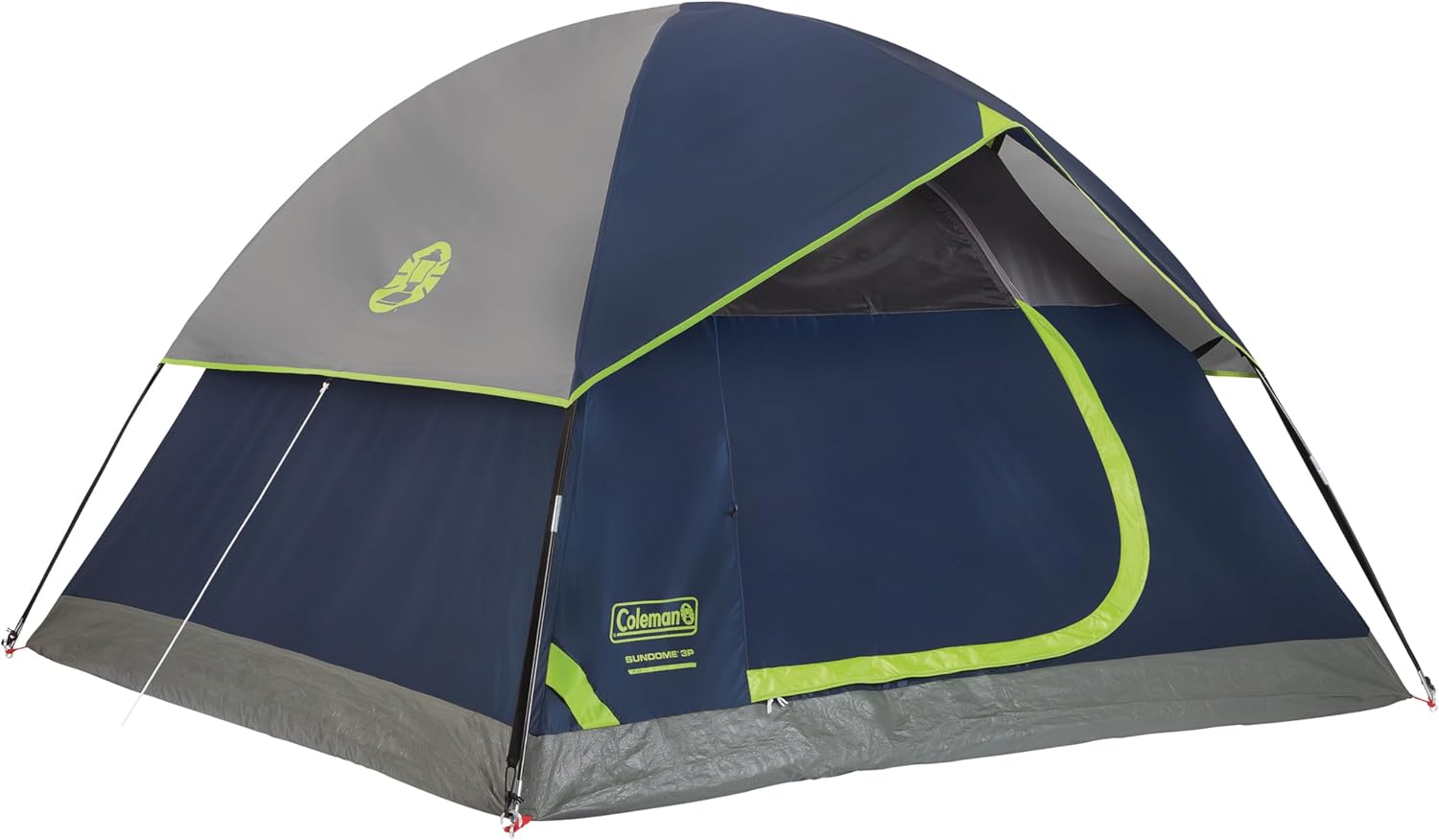
- Coleman Sundome Camping Tent — a proper rainfly and a 10-minute setup are exactly what fast-moving lake weather demands. New to it? Our tent setup guide gets you dialed in.
- Teton Celsius Sleeping Bag — Superior-side nights drop into the 40s all summer. A 20°F-rated bag turns cold nights comfortable.
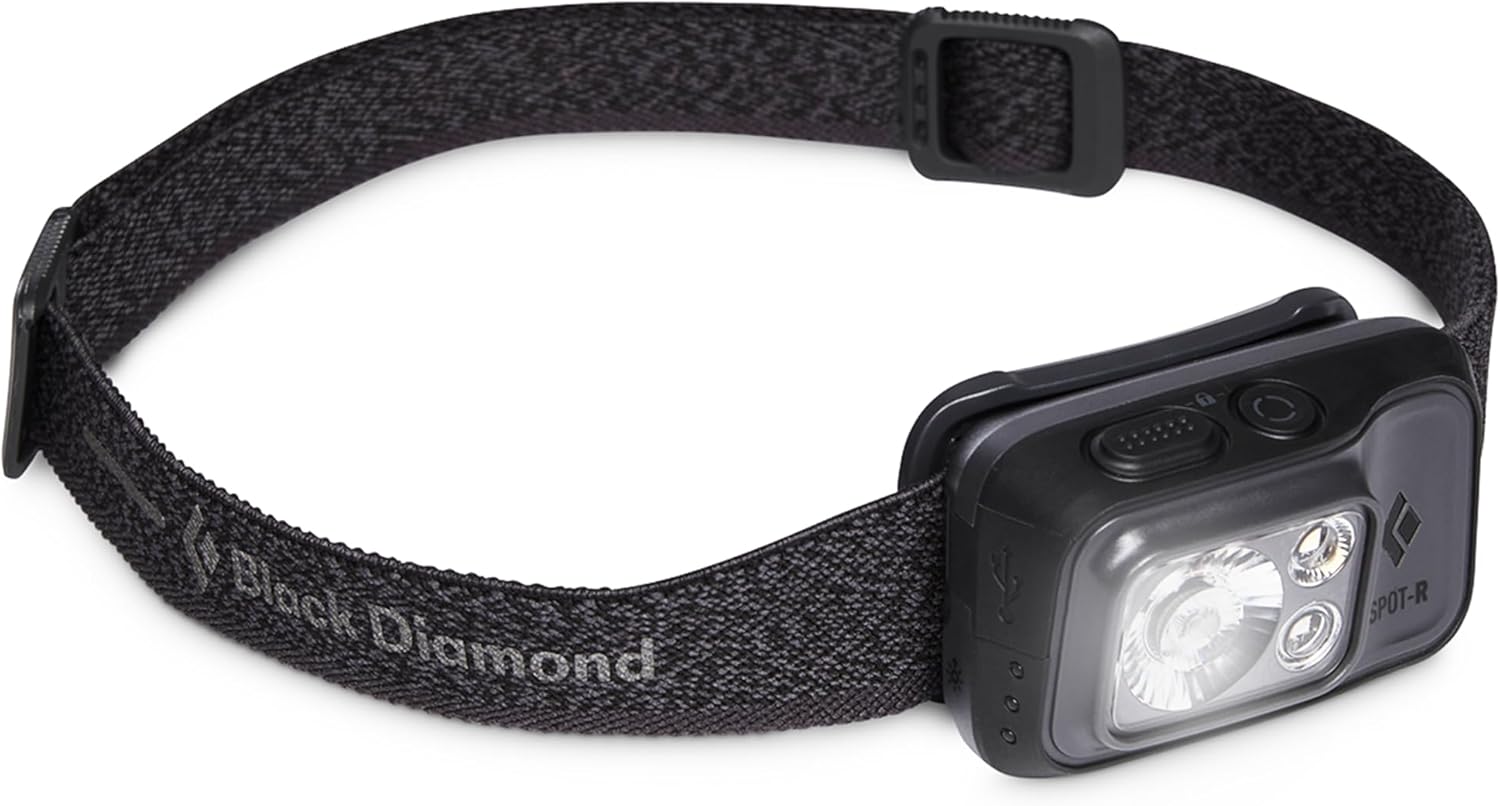
- Black Diamond Spot 400-R Rechargeable Headlamp — rustic and state forest campgrounds have zero lighting, and it's waterproof enough for Great Lakes weather.
Then run through our full camping checklist before you load the car.
Final Tips
Set a calendar reminder for your six-month reservation window, keep the Recreation Passport current, buy firewood locally, and pack warmer than the forecast suggests. Do that, and camping in Michigan hands you dunes, waterfalls, wilderness islands, and more freshwater coastline than you could explore in a lifetime of summers.