
Camping in National Parks – What to Know Before You Book
How to plan a national park camping trip, what permits you need, and what gear to bring for different park environments.
Best for
Campers who want a fast answer they can use right away. This help article gives you practical destinations advice without making you dig through a long camping blog post first.
National park camping is some of the most scenic camping in the country, and also some of the most competitive to book. Understanding how the reservation system works, what rules apply, and what gear different environments require will save you a lot of frustration.
How to book a national park campsite
Most national park campgrounds use Recreation.gov for reservations. A few parks manage their own systems (Acadia, for example, uses the same platform, but some state parks and concession-run sites differ).
Key booking facts:
- Reservations open 6 months in advance for most popular campgrounds, down to the day
- Lottery systems exist for some high-demand sites (Yosemite Valley, Havasupai, Grand Canyon North Rim)
- Walk-up sites are held back at many campgrounds — arrive early in the morning for the best shot
- Annual pass holders (America the Beautiful pass, $80/year) get free entry but not free camping
Set a calendar reminder for exactly 6 months before your target dates. Popular campgrounds at Zion, Grand Teton, Olympic, and Glacier fill within minutes.

Permit types to know
- Entry permit: Required at some parks (Arches, Zion Canyon during peak season) — separate from camping
- Backcountry permit: Required for any overnight trip away from developed campgrounds
- Group site permit: Separate reservation for groups above a certain size (usually 10–12 people)
- Fire permit: Some parks require these separately for dispersed camping areas
Read the specific park's camping page before you book. Rules vary significantly from park to park and change seasonally.
Campground types in national parks
Developed campgrounds — Paved or gravel sites with fire rings, picnic tables, and vault or flush toilets nearby. Water is usually available. These are what most people mean when they say "camping in a national park."
Primitive campgrounds — No hookups, sometimes no water, fewer amenities. Often first-come, first-served. Better for people who want more space and less noise.
Backcountry camping — Off-trail or trail-adjacent camping at designated sites or dispersed zones. Requires permits, bear canisters in many areas, and Leave No Trace discipline.
What gear to bring depends on the park
National parks span desert, alpine, coastal, and forest environments. Do not assume your gear works everywhere.
Cold nights are common even in summer. Elevation drops temperatures fast. Yosemite Valley sits at 4,000 feet; many sites in the Rockies and Sierra are above 8,000 feet. Nights can drop into the 30s in July. A sleeping bag rated to at least 20°F gives you flexibility across most park environments.
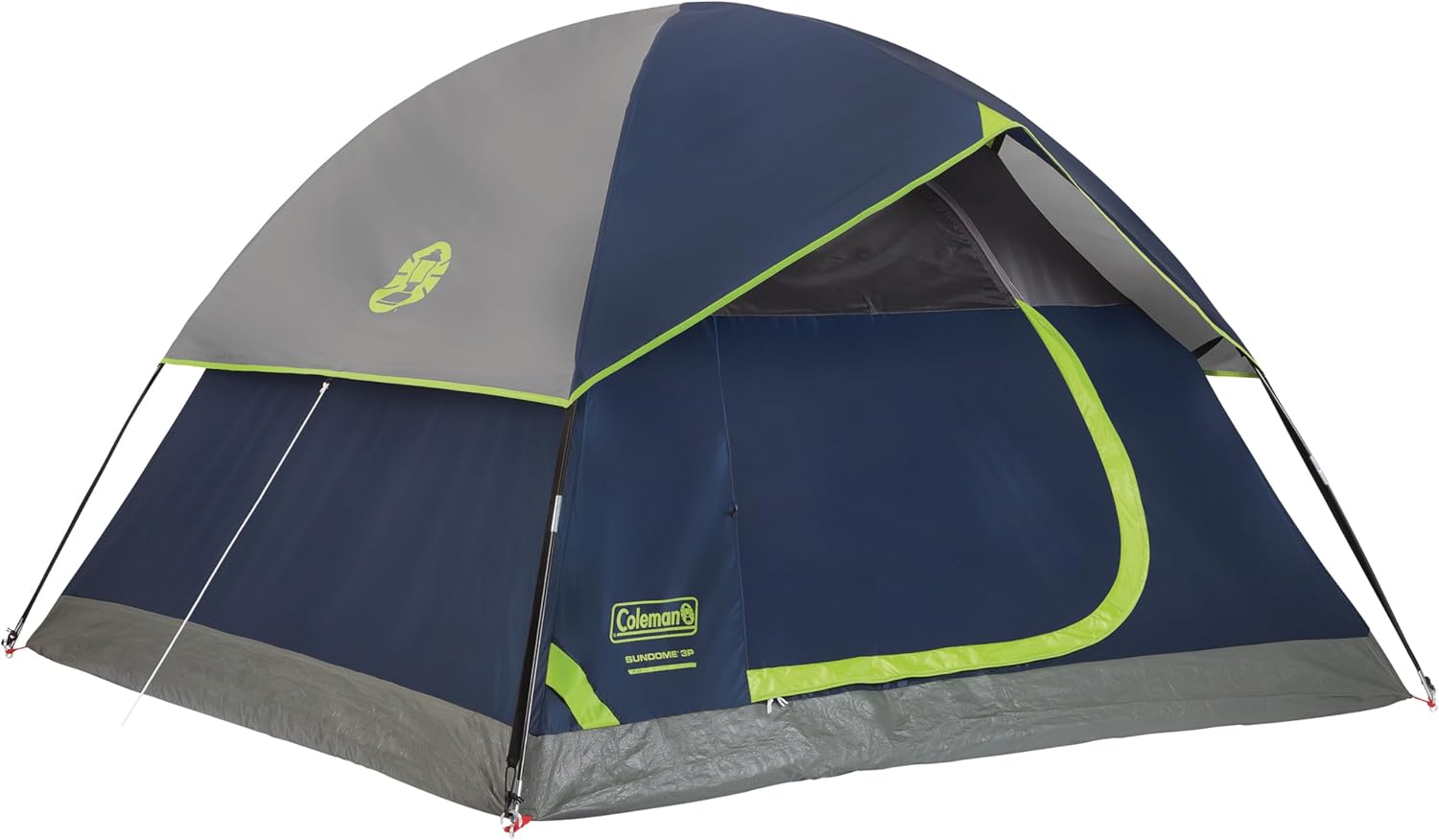
Your tent should have a full-coverage rainfly. Afternoon thunderstorms are common in the Rockies and Southwest from July through September. A tent without a good rainfly will leave you wet before your trip is half over.
Campfire rules vary by park and by season. Always check for fire restrictions before planning to have a campfire. Many western parks issue full burn bans during dry months.
Tips for first-time national park campers
- Arrive during your check-in window. Sites are held until a specific time, after which they may be released to walk-ups.
- Grocery shop before you enter the park. Stores inside parks are expensive and often limited.
- Bring cash for fees that Recreation.gov does not cover (day use areas, some facilities).
- Bear boxes are at most developed sites in bear country — use them. Do not leave food in your car.
- Cell coverage is minimal or nonexistent in most parks. Download offline maps before you leave.
National parks are crowded at peak times but uncrowded if you are willing to be flexible with timing. Shoulder season — May/early June and September/October — offers better availability, less traffic, and often better weather than the peak of summer.