
Starved Rock State Park Camping: The Complete 2026 Guide
How to camp at Starved Rock State Park in Illinois — the 133-site campground, reservation timing, the 18 canyons and waterfalls, seasons, and what gear to pack.
Use this guide for
Better camping decisions, faster trip planning, and clearer gear choices. Use this article as your starting point, then keep going with related camping guides and practical help articles below.
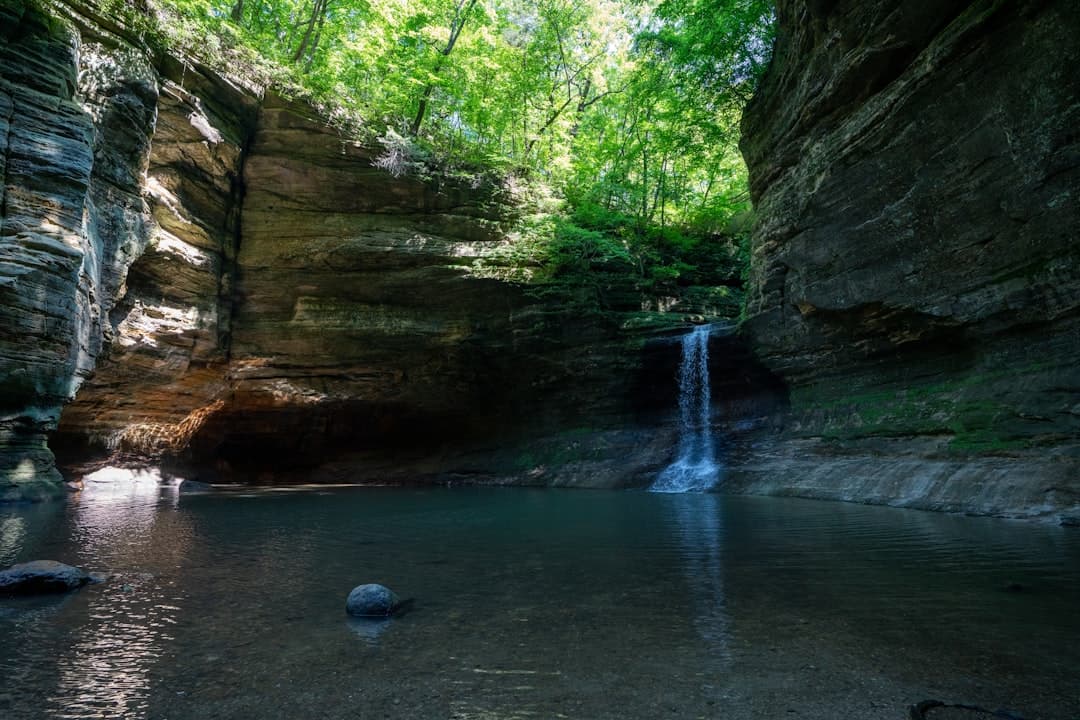
Starved Rock State Park camping is the rare Midwest trip that doesn't look like the Midwest. An hour and a half southwest of Chicago, along the south bank of the Illinois River near Utica, the park packs 18 sandstone canyons into about 2,600 acres — vertical-walled corridors cut into 425-million-year-old St. Peter sandstone, most of them with a waterfall at the back end when there's water running.
It's also one of the busiest state parks in Illinois, drawing over two million visitors a year. That single fact should shape your trip: when you camp, and when you hike, matter more here than at almost any park we've covered.
The Campground
The campground sits on the east side of the park, uphill and set back from the canyons, with 133 sites. The important details:
- Every site has electric hookups — this is a Class A campground. There are no primitive walk-in tent loops; tents and RVs share the same ones.
- Sites include a picnic table and a fire ring. Vehicle pads are gravel, and the tent pads are hard-packed dirt over clay.
- Showers and flush toilets are open seasonally, generally spring through fall. In the cold months you're on vault toilets.
- A dump station is available for trailers and RVs.
The campground is genuinely wooded, which helps in July, but the loops sit close together. This is a basecamp for the canyons, not a place you go for solitude — quiet here comes from picking your season, not your site.
For a roof and a fireplace, the historic Starved Rock Lodge — a 1930s CCC-built structure with cabins — sits inside the park and stays open year-round.
Reservations: Book Early, Seriously
Reserve through the Illinois DNR system at camp.exploremorenature.com. Summer and fall weekends go fast.
- October is the hardest month to book. Fall color in the canyons is the park's peak, and weekend sites disappear as soon as the window opens.
- Summer weekends book out weeks ahead, driven by Chicago-area day-trippers who spill into overnight stays.
- Midweek in May, June, or September is the realistic window for a spontaneous trip — and it's better hiking anyway.
- Check current site fees and vehicle-length limits before you commit; Illinois adjusts rates by season.
The Canyons Are the Whole Point
Thirteen miles of trail connect the canyons, mostly a bluff-top loop with staircases dropping into each one. The essentials:
- St. Louis Canyon — the tallest reliable waterfall, and reachable from its own parking area if you want to skip the long approach.
- LaSalle Canyon — the classic: you can walk behind the falls. About a 3-mile round trip from the visitor center.
- French Canyon — closest to the visitor center and the most crowded. Go at 8 a.m. or skip it.
- Wildcat Canyon — the deepest in the park, with an overlook from the top and a very different view from the floor.
- Starved Rock itself — the sandstone butte the park is named for, with a boardwalk to a river overlook.
Waterfalls are seasonal and weather-dependent. They run hardest in spring after snowmelt and rain, and after any heavy storm. In a dry August, several canyons will be bone dry. In deep winter they freeze into ice columns, which is its own reason to come.
Two rules the park enforces and people ignore: stay on marked trails, and never climb the canyon walls or the ice. The sandstone crumbles under load and rescues here are difficult.
Picking Your Season
- Spring (April–May) — the best waterfall flow of the year, mild temperatures, mud on every trail. The strongest overall pick.
- Summer — hot, humid, busy, and dry-canyoned in a low-rain year. Camp midweek and hike before 9 a.m.
- Fall (October) — the best color and the hardest reservations. Book the moment your window opens.
- Winter — frozen falls and bald eagle watching on the Illinois River near the lock and dam, which draws a January crowd. Showers are closed; come self-sufficient.
Recommended Gear for Starved Rock Camping
Pack for a canyon park: wet trails, early starts, and hard ground under the tent.
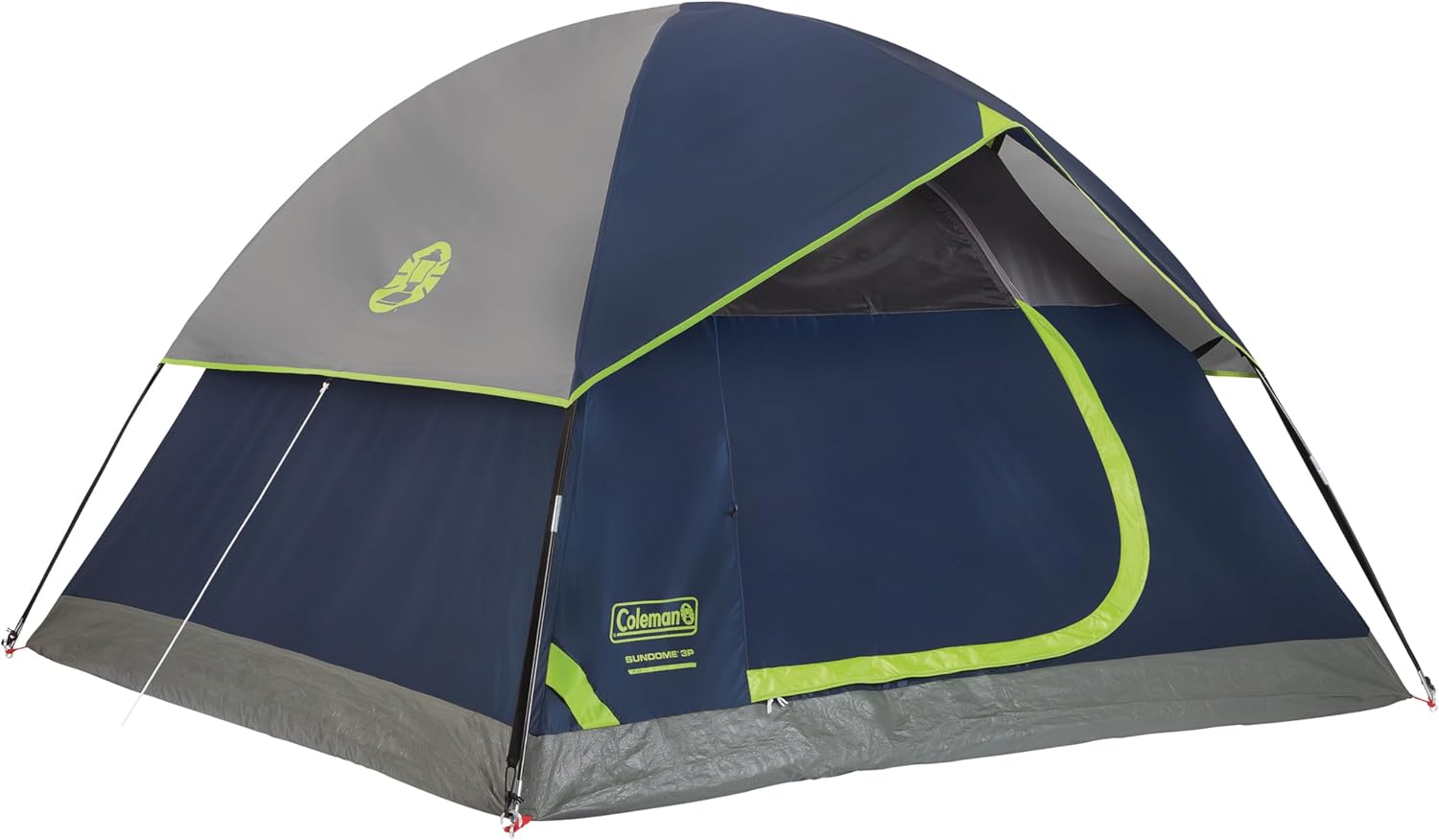
- Coleman Sundome Camping Tent — spring here is the wettest, best-waterfall season, so a taut rainfly matters more than floor space. Pitch it on arrival, not after dark. More picks in our camping tent guide, and see our tent setup guide for pitching a fly that actually sheds rain.
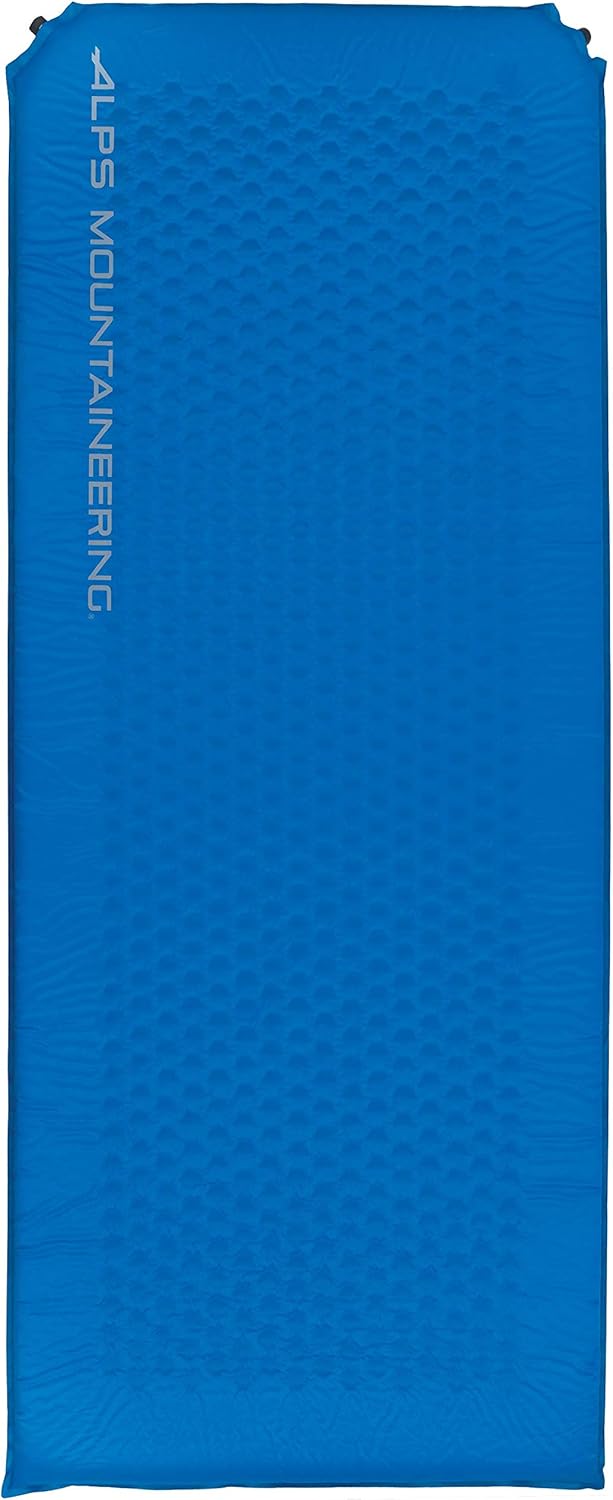
- ALPS Mountaineering Flexcore Self-Inflating Air Pad — the tent pads are packed clay that stays cold and damp well into May. A self-inflating pad buys you insulation as much as cushion. Alternatives in our sleeping pad guide.
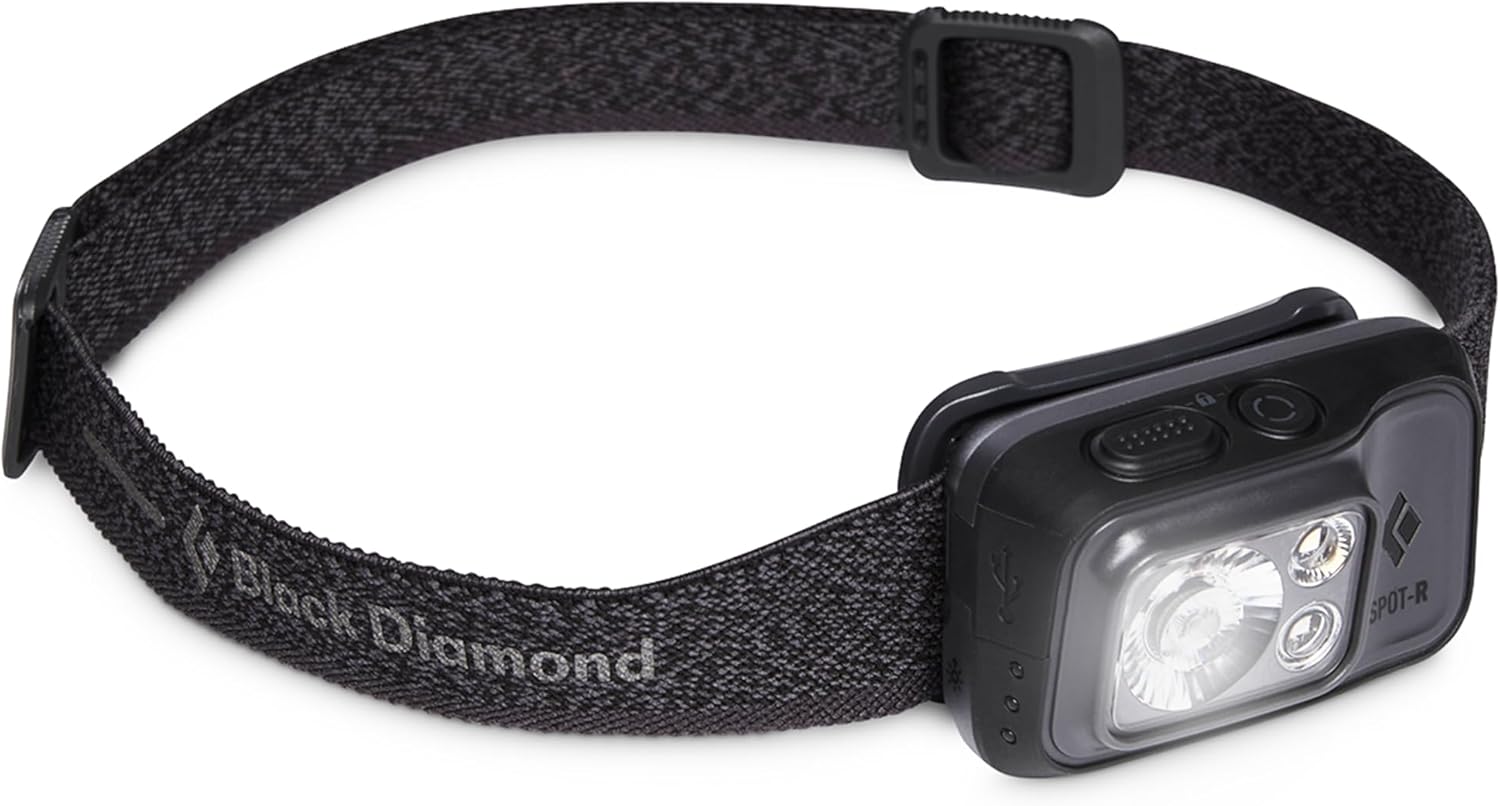
- Black Diamond Spot 400-R Rechargeable Headlamp — the canyon staircases and boardwalks are genuinely dark early and late, and the single best way to beat the crowds is to be on trail before sunrise. A rechargeable headlamp with a red mode also saves you in a shared, tightly-packed campground. See our headlamp guide.
One thing not on the list but non-negotiable: boots with real tread. Wet sandstone, canyon mud, and metal stairs are a bad combination in trail runners.
Round out the kit with our car camping checklist and the full camping gear checklist. If you're bringing kids, family-friendly campgrounds covers what to look for. For more Midwest trips, see our Indiana Dunes, Sleeping Bear Dunes, and Hocking Hills guides — Hocking Hills is the closest cousin to this park's canyon hiking.
Is It Worth It?
Yes — with one condition. Starved Rock delivers scenery no other Illinois park comes close to, on a campground that's convenient rather than beautiful, at a level of crowding that can ruin the trip if you plan badly. Camp midweek or in the shoulder seasons, and hike the canyons at first light. Do that and LaSalle Canyon's waterfall is yours. Show up at noon on an October Saturday and you get a parking problem.