
Family Friendly Campgrounds: How to Pick One That Actually Works
How to find family friendly campgrounds that work with kids — what amenities matter, how to read a campground map, when to book, and the gear to bring.
Use this guide for
Better camping decisions, faster trip planning, and clearer gear choices. Use this article as your starting point, then keep going with related camping guides and practical help articles below.
Family friendly campgrounds are not a category you can trust a label for. Almost every campground in the country calls itself family friendly, and the phrase gets attached to everything from a quiet national forest loop with a vault toilet to a private resort with a water slide and a nightly foam party. Those are wildly different trips, and picking the wrong one is how a weekend goes sideways.
The useful question isn't "is this place family friendly?" It's "does this place solve the specific problems my family has right now?" A campground that's perfect with a nine-year-old can be miserable with a toddler, and vice versa.
The Amenities That Actually Matter
Ignore the marketing photos and check for these, in roughly this order:
- Flush toilets and showers. The single biggest quality-of-life difference for a first family trip. A 2 a.m. bathroom run with a four-year-old is a different event with a lit restroom building 100 feet away than with a vault toilet across the loop.
- Potable water near your site. Hauling water is fine for adults and tedious with kids underfoot.
- A camp store. Not for the souvenirs — for the ice, the forgotten marshmallows, and the bandages.
- Cell service or a posted emergency plan. Know which one you're getting before you arrive, not after.
- A swimmable lake, creek, or pool. Water is the highest-return amenity in camping with kids. It burns hours of energy for free.
- A playground or open field. Somewhere kids can go that isn't your fire ring.
Pools, arcades, jumping pillows, and mini golf are what most private "family resort" campgrounds sell. They work — but they change the trip from being outdoors to being at a small amusement park that happens to have tents.

Public vs. Private: Pick Your Trade-Off
State parks and national forest campgrounds are cheaper, prettier, quieter, and closer to real hiking and swimming. They're lighter on amenities and they book out further in advance. This is the better choice once your kids can entertain themselves outside for an afternoon.
Private campgrounds and RV parks cost more and pack sites closer together, but they usually have full bathhouses, laundry, a pool, planned activities, and — critically — availability when the state park is full. For a first trip, or with kids under five, the amenity density is worth the tighter quarters.
There's no wrong answer. There's just an honest read of how much structure your family needs.
How to Read the Campground Map
Once you've picked a campground, the site you choose matters as much as the campground itself. Pull up the reservation system's map and look for:
- Distance to the bathroom. Two or three sites away is the sweet spot — close enough for night trips, far enough to avoid the foot traffic and the door slamming.
- The shape of the site. Look for a large, flat, defined tent pad and a clear boundary. Kids treat the whole space as a yard; a site with a natural edge means less herding.
- What's behind you. Backing onto woods, a berm, or a field is much better than backing onto the loop road.
- Where the ring is. A fire ring at the far edge of the site, away from the tent and the walking path, is safer with small kids.
- Loop position. Avoid sites near the entrance, dump station, or playground unless you want the noise.
Many reservation systems show site photos. Look at them. Five minutes here is worth more than any amount of packing optimization.
Book Early — and Know the Windows
Popular family campgrounds sell out for summer weekends within minutes of their booking window opening, and most public systems open six months to a year ahead on a rolling daily basis. Set a calendar reminder for the day your dates become available.
If you miss it, three things still work: check back roughly two weeks out when cancellations get released, look at Sunday-through-Thursday nights (same campground, a fraction of the crowd), and widen your search to the second-tier parks 30 minutes further out. The overflow parks are frequently nicer and always emptier.
Set Up for a Short Trip
For the first few outings, stack the deck:
- One night, close to home. Under 90 minutes away means you can bail without the drive becoming its own disaster.
- Arrive by mid-afternoon. Setting up a tent in the dark with tired kids is the classic first-trip mistake.
- Give every kid a job. Handing out the stakes, filling the water jug, collecting kindling. Involvement beats entertainment.
- Over-pack warmth. Kids get cold faster than adults and complain about it longer. See our how to stay warm camping guide.
- Plan for rain. A tarp and a card game turn a washed-out afternoon into a memory instead of an early exit.
Our camping with kids guide covers the rest of the on-the-ground routine, and the kids camping checklist is the packing list to run against before you load the car.
Recommended Gear
You don't need much, but three things carry most of the weight on a family trip.
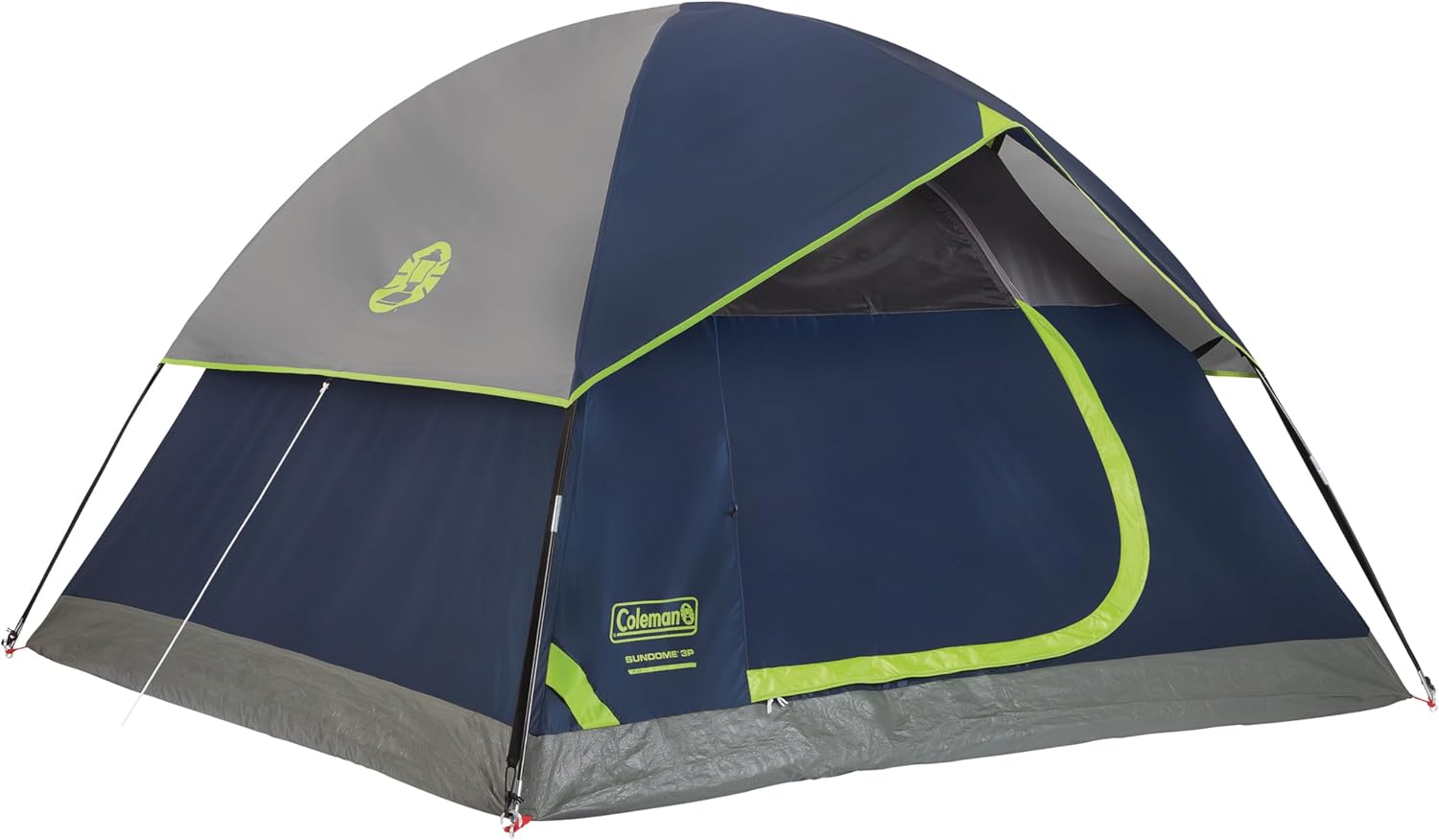
A Coleman Sundome tent in the 4- or 6-person size is the default family car-camping shelter for good reason: it goes up in about ten minutes, the rainfly handles ordinary weather, and the sizing up gives you room for gear and a kid who wants to sleep sideways. Buy one size larger than your headcount.
The Teton Celsius sleeping bag comes in adult and kid sizes and in warmer ratings than most bags sold for summer use. Cold kids don't sleep, and nobody sleeps when the kids don't — a 20°F bag in July is not overkill.
A kids explorer kit — binoculars, compass, flashlight, walkie-talkies — is the cheapest way to make a campground feel like an expedition. The walkie-talkies alone will occupy two kids for an entire afternoon, and the flashlight gives them something of their own after dark.
The Bottom Line
The best family friendly campground is the one with a clean bathroom, water your kids can get into, a site you chose deliberately, and a drive short enough that the trip starts in a good mood. Get those four right and the amenities list stops mattering much at all.