
Valley of Fire State Park Camping: The Complete 2026 Guide
A practical guide to Valley of Fire state park camping in Nevada — Atlatl Rock vs Arch Rock sites, ReserveNevada timing, desert heat, and what to pack.
Use this guide for
Better camping decisions, faster trip planning, and clearer gear choices. Use this article as your starting point, then keep going with related camping guides and practical help articles below.
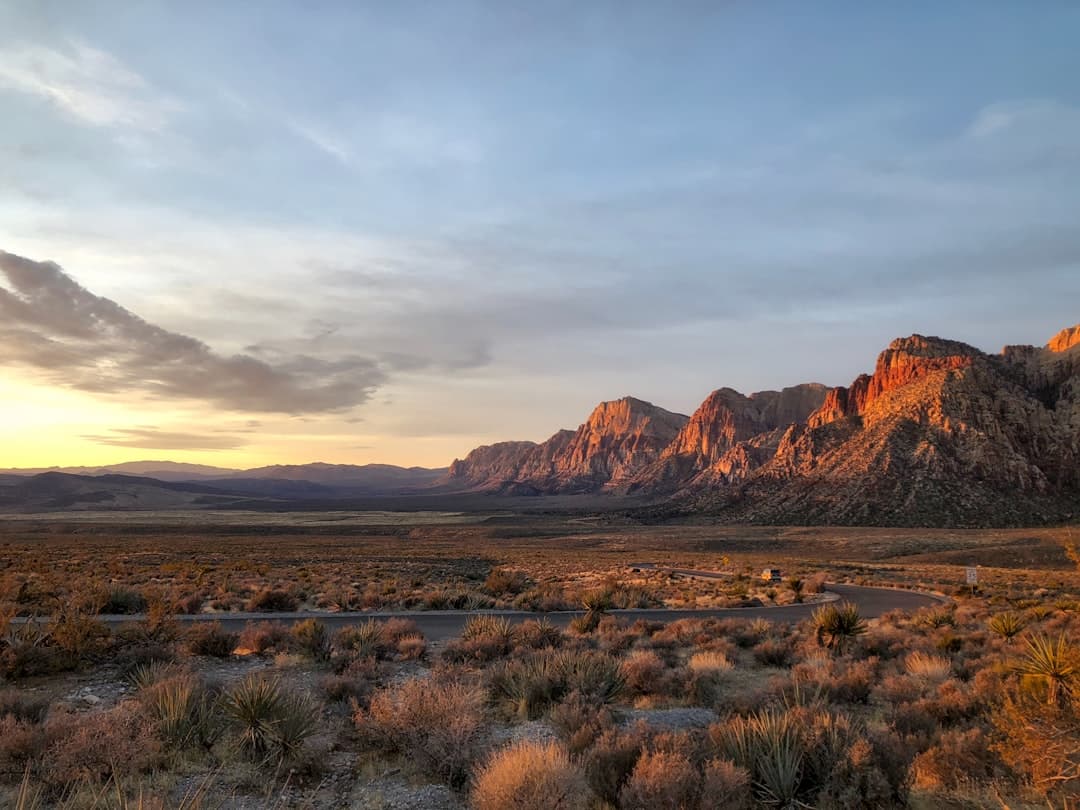
Valley of Fire state park camping puts you inside 40,000 acres of 150-million-year-old red Aztec sandstone, about an hour northeast of Las Vegas. It is Nevada's oldest and largest state park, and one of the rare desert campgrounds where the view from your picnic table matches the view from the trailhead — the sites are literally wedged between the boulders.
It is also a park that punishes anyone who shows up unprepared. Get the season and the campground right and it is one of the best weekends of car camping in the Southwest.
The Two Campgrounds
There are about 72 sites total, split across two adjacent campgrounds near the west entrance:
- Atlatl Rock Campground — the bigger of the two at roughly 44 units, and the one with hookups on some sites plus the shower building. Book here if you are in an RV or a trailer, or you want a hot shower after a day in the dust.
- Arch Rock Campground — around 29 sites, no hookups, smaller and more rugged. Sites sit deeper in the sandstone formations, making them the more scenic and private option for tent campers. No showers, but Atlatl Rock's are a short walk away.
Both have flush toilets, potable water, picnic tables, grills, and shade ramadas at the sites. Do not underestimate that last item — a covered table is the difference between a usable midday and hiding in your car with the AC running.
One note for tent campers: the ground is hard-packed desert soil over rock, and standard stakes bend. Bring heavy-duty steel stakes and a mallet, and expect to guy out to boulders in a few spots.
Reservations
Nevada State Parks books through ReserveNevada, and Valley of Fire sites are reservable there. Because the park is an easy day trip from Las Vegas, good-season weekends fill fast.
- October through April is the season, so those weekends are the competitive ones. A Tuesday night in March is realistically bookable; a Saturday in March is not.
- Check the park page before planning around a walk-up site. The reservable/first-come split has changed in recent years, and arriving Friday hoping to grab one is a bad plan.
- There is a per-vehicle entrance fee on top of the camping fee, and hookup sites cost more. Verify current rates before you go.
Heat Is the Whole Story
At roughly 2,000 feet in the Mojave, summer here is genuinely dangerous rather than merely uncomfortable. Daytime highs routinely clear 110°F from June through August, and the park closes trails for exactly that reason — the popular Fire Wave route is typically shut through the peak summer months. Rangers advise against hiking after mid-morning in summer; treat that as a rule.
Camping between May and September means hiking at sunrise and being finished by 10 a.m., carrying a gallon of water per person per day as a floor (there is none on the trails), and expecting overnight lows that stay in the 80s. A summer night here does not cool off the way a high-desert night does.
Winter delivers the opposite surprise: December and January nights drop to near freezing, and desert campers consistently underpack for cold. The swing between a February afternoon and that same night is easily 40 degrees.
Wind is the third factor year-round. Gusts funnel through the sandstone and flatten badly pitched tents. Stake everything, and never leave a pop-up canopy standing unattended.
What To Actually Do
The park is compact — you can cover the highlights in a long day and a morning:
- Fire Wave — the striped sandstone swirl the park is famous for, a 1.5-mile round trip from Parking Lot 3 on White Domes Road. Closed in peak summer heat; otherwise go at sunrise or late afternoon.
- Mouse's Tank / Petroglyph Canyon — an easy three-quarter-mile sand walk past some of the best-preserved petroglyph panels in Nevada.
- White Domes Loop — about 1.25 miles through a slot canyon and an old film set, and the most varied short hike here.
- Atlatl Rock — a steel staircase to a petroglyph panel, two minutes from the campground of the same name.
- Stargazing — skies are excellent, with only a faint Vegas glow to the southwest. This is the reason to stay the night instead of day-tripping from the Strip.
Two logistics items: there is no gas, food, or store inside the park — stock up in Overton, 15 minutes from the east entrance — and cell service is unreliable to nonexistent in most of the park. Download your maps before you turn off I-15.
Recommended Gear for Valley of Fire Camping
Pack for sun, hard ground, and a large temperature swing:
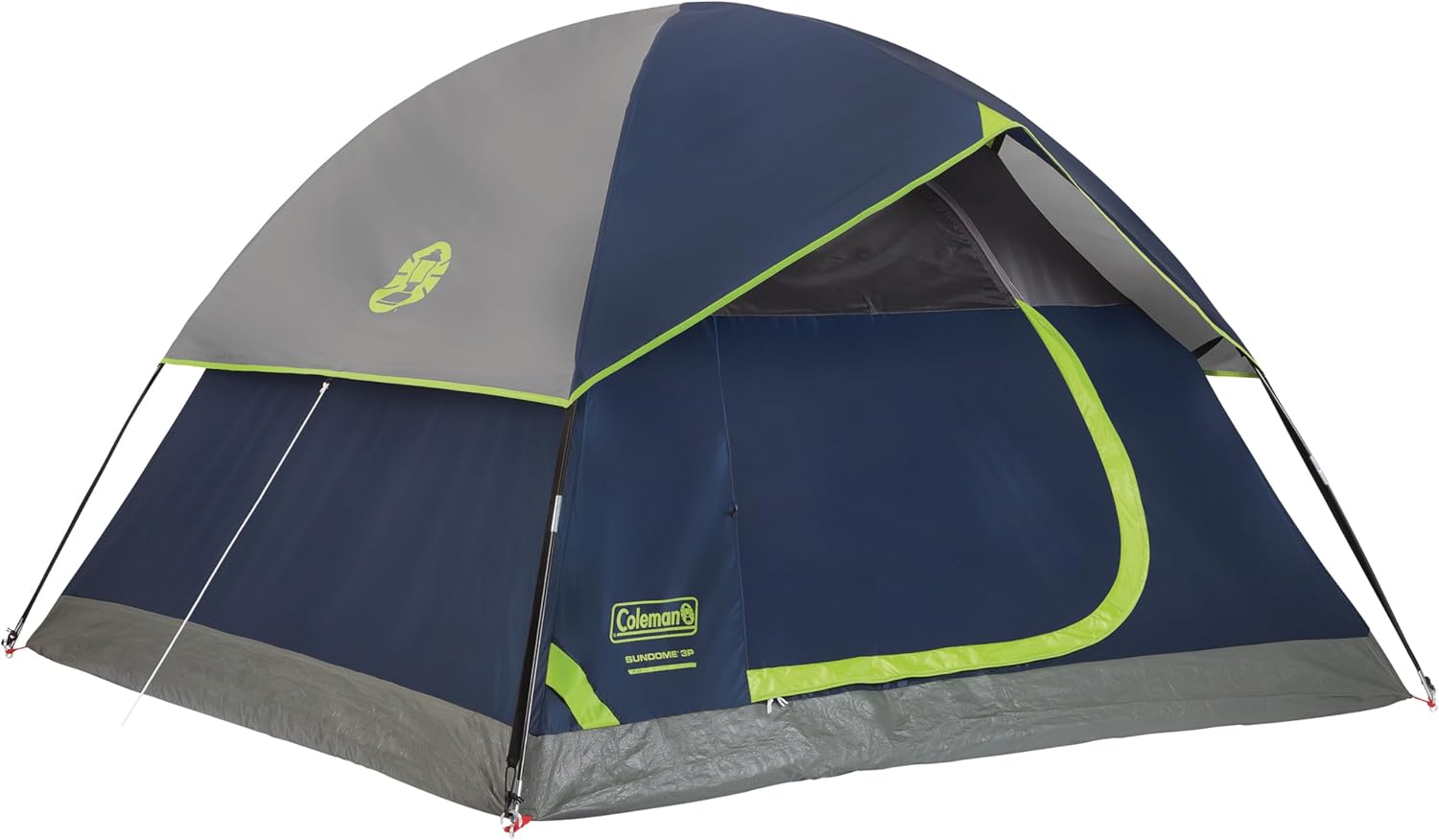
- Coleman Sundome Camping Tent — the priority here is not waterproofing, it is a tent you can pitch taut and guy out properly against desert gusts. Pair it with better stakes than the ones in the bag. Our tent setup guide covers pitching in wind, and the camping tent guide has more options.
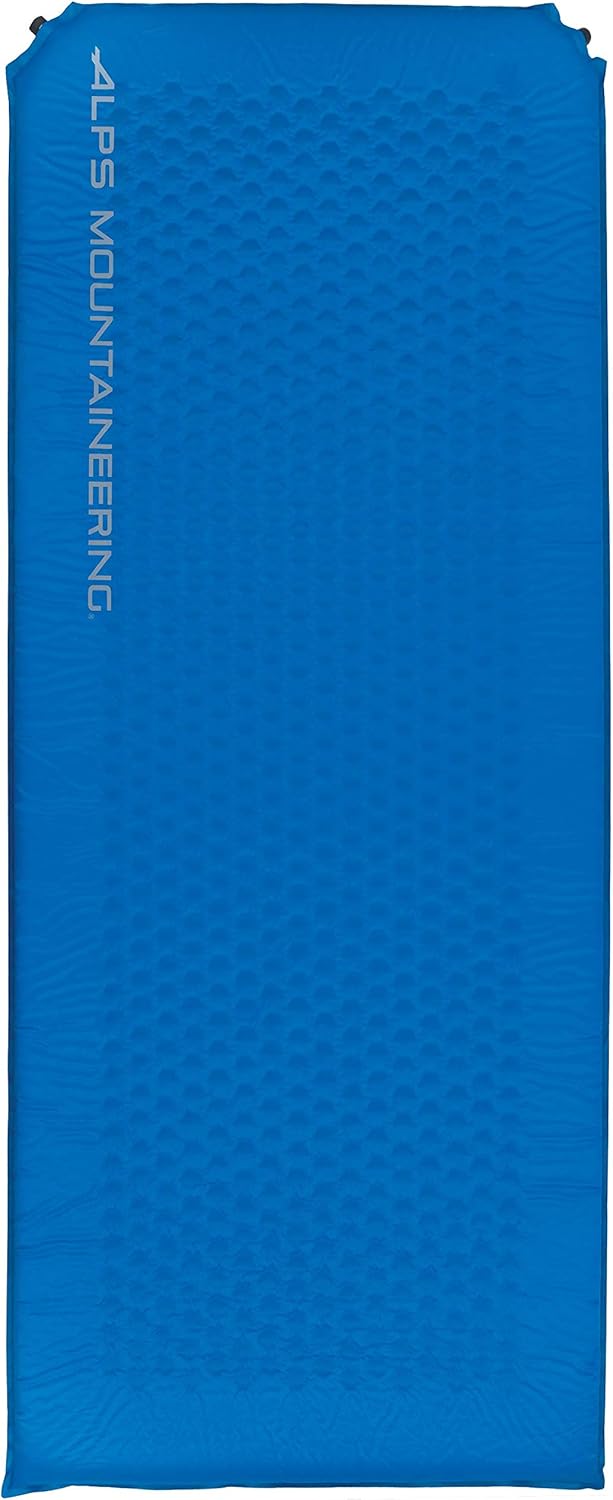
- ALPS Mountaineering Flexcore Self-Inflating Air Pad — desert sites are packed dirt over rock with no duff layer to soften anything, and a self-inflating pad adds real insulation on cold winter nights, when the ground pulls heat out of you faster than the air does. More picks in our sleeping pad guide.
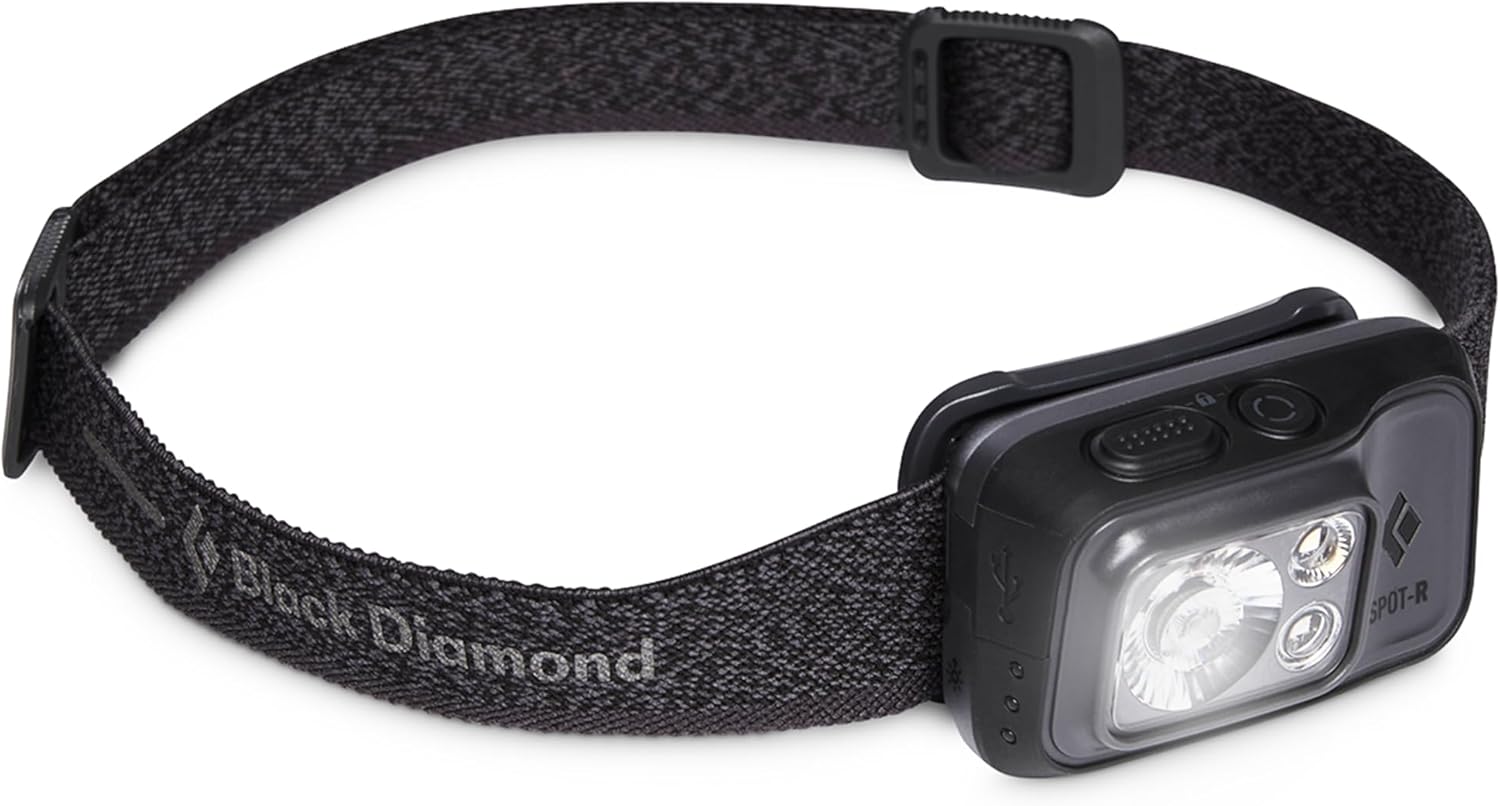
- Black Diamond Spot 400-R Rechargeable Headlamp — you will start hikes before sunrise to beat the heat and walk back to camp in full dark, and the red-light mode keeps your night vision intact for stargazing. See the headlamp guide for alternatives.
Round out the kit with our car camping checklist. For more desert camping, our Joshua Tree camping guide and backpacking in Utah cover the neighboring parks, and staying warm camping handles the cold-night side.
Is It Worth It?
Yes — between October and April, without hesitation. Valley of Fire is close enough to Las Vegas to be an easy add-on, small enough to see properly in a weekend, and dramatic enough that the photos look faked. Book Arch Rock for a tent, Atlatl Rock for the shower, bring more water and better stakes than you think you need, and skip it entirely in July.