
Death Valley Camping: The Complete 2027 Guide to Every Campground, Reservations and Free Roadside Sites
Death Valley camping guide: Furnace Creek reservations, Stovepipe Wells, Mesquite Spring, Wildrose, free high-elevation sites, roadside permits and cold nights.
Use this guide for
Better camping decisions, faster trip planning, and clearer gear choices. Use this article as your starting point, then keep going with related camping guides and practical help articles below.
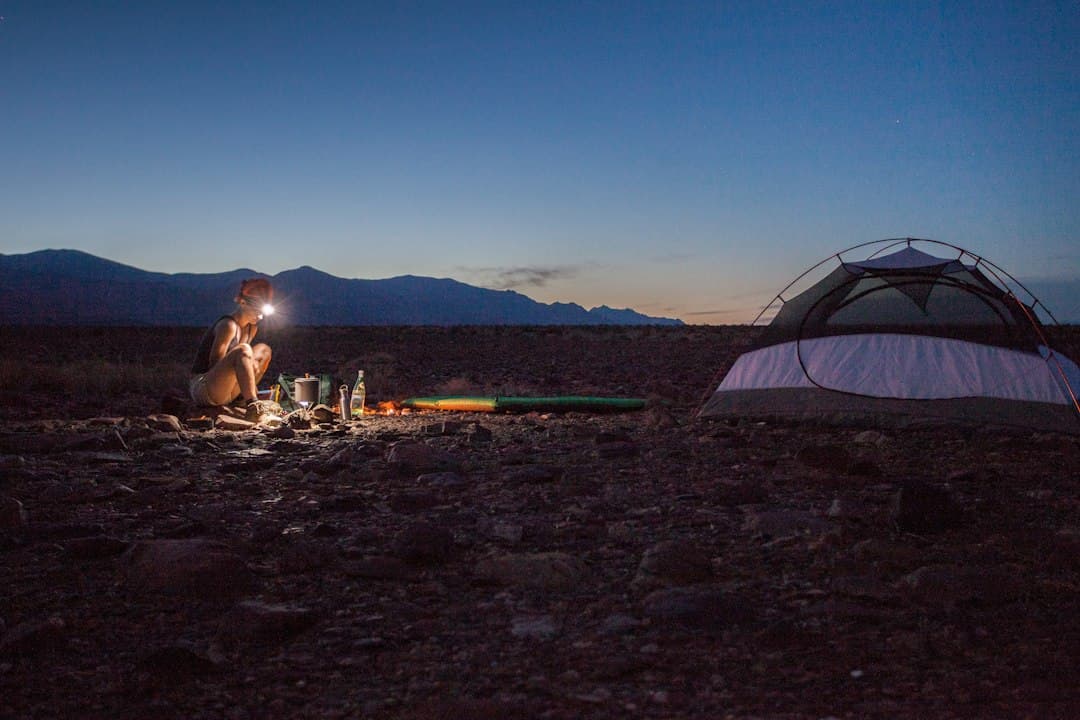
Death Valley camping is at its best right now. From mid-October to mid-April the hottest national park in the country turns mild, with warm days, clear skies and some of the darkest night skies in the Lower 48. The park runs nine National Park Service campgrounds, ranging from a full-service site below sea level at Furnace Creek to free pine-forest sites above 8,000 feet. It also allows roadside camping along hundreds of miles of dirt roads.
This guide covers every campground, how reservations work, where you can camp for free, the roadside permit rules and how to handle cold desert nights.
Death Valley Camping: Current Status (November 2026)

Check the park's Current Conditions page at nps.gov/deva before you leave. As of the November 3, 2026 update:
- Open: Furnace Creek, Stovepipe Wells, Mesquite Spring, Wildrose (no water), and the primitive Thorndike, Mahogany Flat, Eureka Dunes and Homestake campgrounds.
- Not yet open for the season: Texas Spring and Sunset. They normally open in late fall and stay open until April 15.
- Closed indefinitely: Emigrant Campground and its restrooms, for water system repairs.
- Roads: Titus Canyon Road is closed for flood repairs until about May 2027, and Scotty's Castle and Bonnie Clare Road are still closed. Lower Wildrose Road is washed out in places and limited to vehicles under 25 feet. Cottonwood/Marble and Hunter Mountain roads are closed to vehicles.
Death Valley Campgrounds at a Glance
| Campground | Elevation | Season | Booking | Notes |
|---|---|---|---|---|
| Furnace Creek | −190 ft | Year-round | Reservable Oct 15–Apr 15 | Some hookups, RVs up to 100 ft on some sites |
| Sunset | −190 ft | Late fall–Apr 15 | First-come | Largest campground, big RV lot |
| Texas Spring | Sea level | Late fall–Apr 15 | First-come | No generators, RVs up to 35 ft |
| Stovepipe Wells | Sea level | Late fall–Apr 15 | First-come | Near the Mesquite Flat Sand Dunes |
| Mesquite Spring | 1,800 ft | Year-round | First-come | Near Ubehebe Crater, RVs up to 35 ft |
| Emigrant | 2,100 ft | Summer (closed now) | First-come | Tent-only |
| Wildrose | 4,100 ft | Year-round | First-come, free | No water, 25-ft limit |
| Thorndike | 7,400 ft | Weather-dependent | First-come, free | Primitive, high clearance |
| Mahogany Flat | 8,200 ft | Weather-dependent | First-come, free | Primitive, high clearance |
Furnace Creek Campground
Furnace Creek is the park's main campground and the only one you can reserve. It sits next to the visitor center, the general store and The Oasis at Death Valley, and it has water, flush toilets, a dump station and group sites. Some sites take rigs up to 100 feet. In summer it runs at reduced capacity, and it's the campground the park recommends for a summer stay.
Sunset and Texas Spring
Both are across the road from Furnace Creek. Sunset is a big gravel lot built for RVs, and it usually has space even on busy weekends. Texas Spring sits on a hillside above it. It's quieter, bans generators, and is the best low-elevation pick for tent campers. Expect it to fill on weekends and holidays.
Stovepipe Wells
This is a large, open campground in the middle of the park, across from the Stovepipe Wells general store and a short drive from the Mesquite Flat Sand Dunes and Mosaic Canyon. A private RV park next door has full hookups.
Mesquite Spring
Mesquite Spring sits at 1,800 feet in the north end of the park, near Ubehebe Crater. It's open all year and stays a little cooler than the valley floor. Since Scotty's Castle is closed, it's also one of the quietest developed campgrounds in the park.
Wildrose, Thorndike and Mahogany Flat
These three are up in the Panamint Range and are free. Wildrose (4,100 ft) is reachable by passenger car from the north, but it has no water right now. Lower Wildrose Road from Trona is washed out, so come in from Highway 190. Thorndike and Mahogany Flat sit near the Charcoal Kilns at the end of a rough dirt road, and the last stretch needs high clearance. Mahogany Flat is the trailhead for Telescope Peak. In winter both can be snowed in, and nights drop well below freezing.
Death Valley Camping Reservations
Only Furnace Creek takes reservations. You can book it on Recreation.gov up to six months ahead for stays between October 15 and April 15. Holiday weekends, Presidents' Day and the spring wildflower season book up first. Every other NPS campground in the park is first-come, first-served. You pay at a self-service kiosk with a credit or debit card.
You also need a park entrance pass, which is separate from your campsite fee. Furnace Creek has a 14-night limit per calendar year, and the rest of the park allows 30 nights.
Private options inside the park also take reservations. These include Fiddler's Campground at The Ranch at Death Valley, the Stovepipe Wells RV park and Panamint Springs Resort on the west side.
Death Valley Cabins
If you'd rather not camp, The Ranch and The Inn at Furnace Creek, Stovepipe Wells Village and Panamint Springs have rooms and cabins. They fill fast from November through March.
Free Camping in Death Valley: Roadside Camping
Death Valley is one of the few national parks that allows dispersed camping along its backcountry roads. The rules, from the park's backcountry camping page:
- Distance: Camp at least one mile from any paved road or any day-use-only dirt road.
- Where: Pull off next to the road, camp on ground that's already disturbed, and stay more than 100 yards from water.
- Not allowed: Along paved roads, in pullouts or parking lots, on the valley floor from Ashford Mill to 2 miles north of Stovepipe Wells, on Eureka Dunes or in Greenwater Canyon.
- Day-use-only roads: These include Titus Canyon, Mosaic Canyon, West Side, Wildrose, Skidoo and Aguereberry Point roads, along with the first 8 miles of Cottonwood Canyon Road.
- Death Valley camping permit: A free permit is recommended for most roadside camping. You can get one at the Furnace Creek Visitor Center or the Stovepipe Wells Ranger Station, or download the form. A paid, online-only permit is required in Echo Canyon, Hole in the Wall, Greenwater Valley and the Cottonwood/Marble canyons.
- Group size: Up to 12 people and 4 vehicles.
- Fires: Fires are allowed only in a firepan. Pack out the ash, and don't gather wood.
For a Death Valley camping map, download the park's Backcountry and Wilderness Access map from nps.gov/deva. Cell service is spotty or missing in most of the park, so download it before you arrive.
Can I Sleep in My Car in Death Valley?
Yes, but only in a campground or at a legal roadside site. You can't sleep in pullouts, trailhead lots or along paved roads. Rangers patrol Badwater, Zabriskie Point and the dunes lots. For an easy car-camping night, take a site at Sunset or Stovepipe Wells, or drive at least a mile up a permitted dirt road. Our car camping checklist covers the setup.
How Cold Does Death Valley Get at Night?
The valley floor often sits in the 40s °F on December and January nights. Mahogany Flat and Thorndike regularly drop into the teens or lower. A tent rated for wind and a bag rated to 20 °F or colder will cover most trips. Our winter camping and how to stay warm camping guides go deeper.
Tips for Camping in Death Valley
- Fill up on gas before you arrive. Fuel inside the park is expensive and stations are far apart.
- Carry extra water, at least a gallon per person per day, even in winter.
- Stake down hard. Afternoon winds tear through Furnace Creek and Stovepipe Wells.
- Stargaze. Death Valley is an International Dark Sky Park, so plan a night around the new moon.
- Ask rangers about road conditions. Flash floods close roads with little warning, as Titus Canyon shows.
Heading out on a desert road trip? Pair this guide with Joshua Tree camping, Valley of Fire State Park camping and our Christmas camping ideas.
Recommended Gear
- Teton Celsius Sleeping Bag. Desert nights get cold fast, and high-elevation sites drop below freezing all winter.
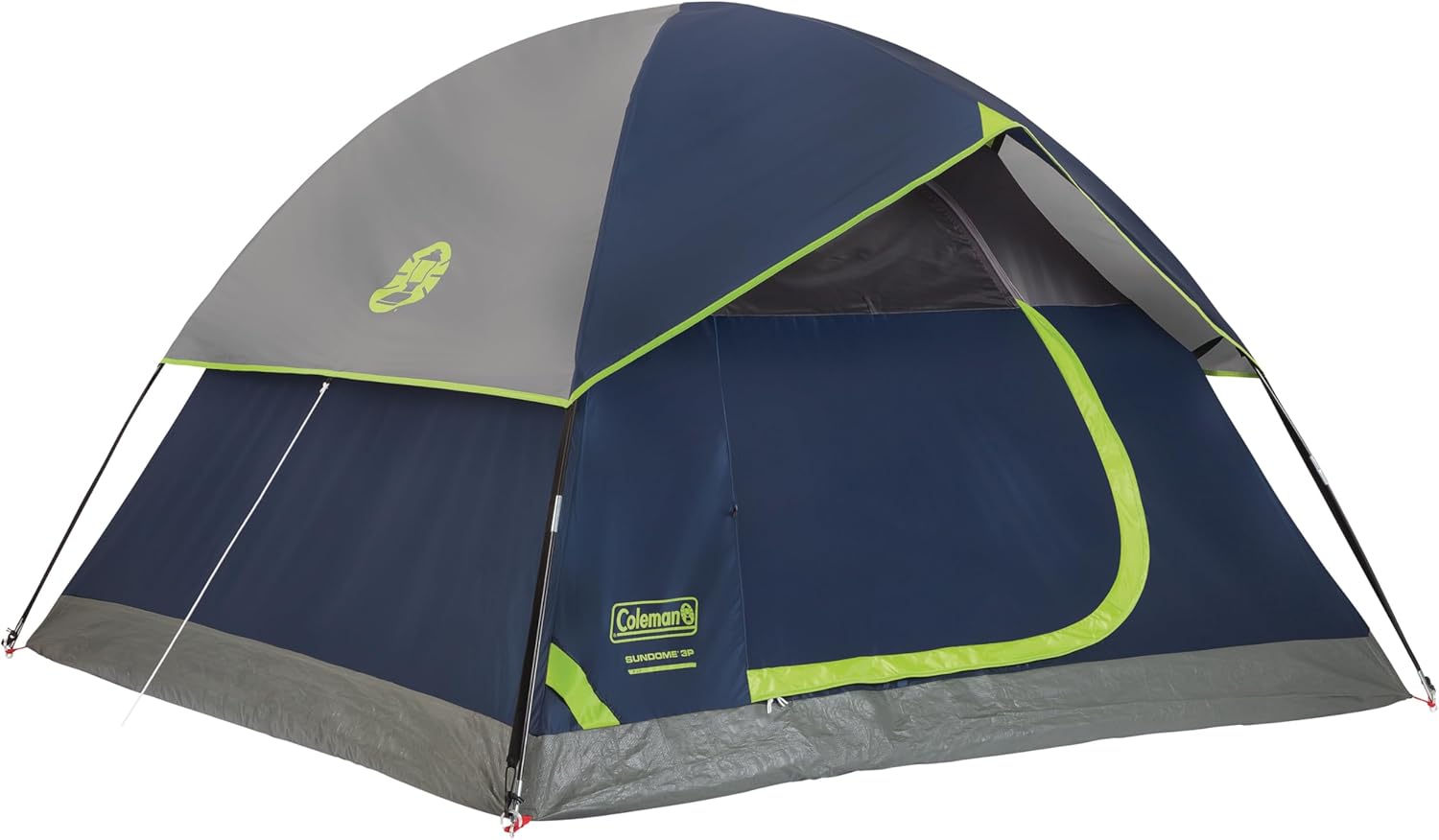
- Coleman Sundome Tent. It's easy to pitch, and with a full rainfly and good stakes it holds up to Death Valley wind.
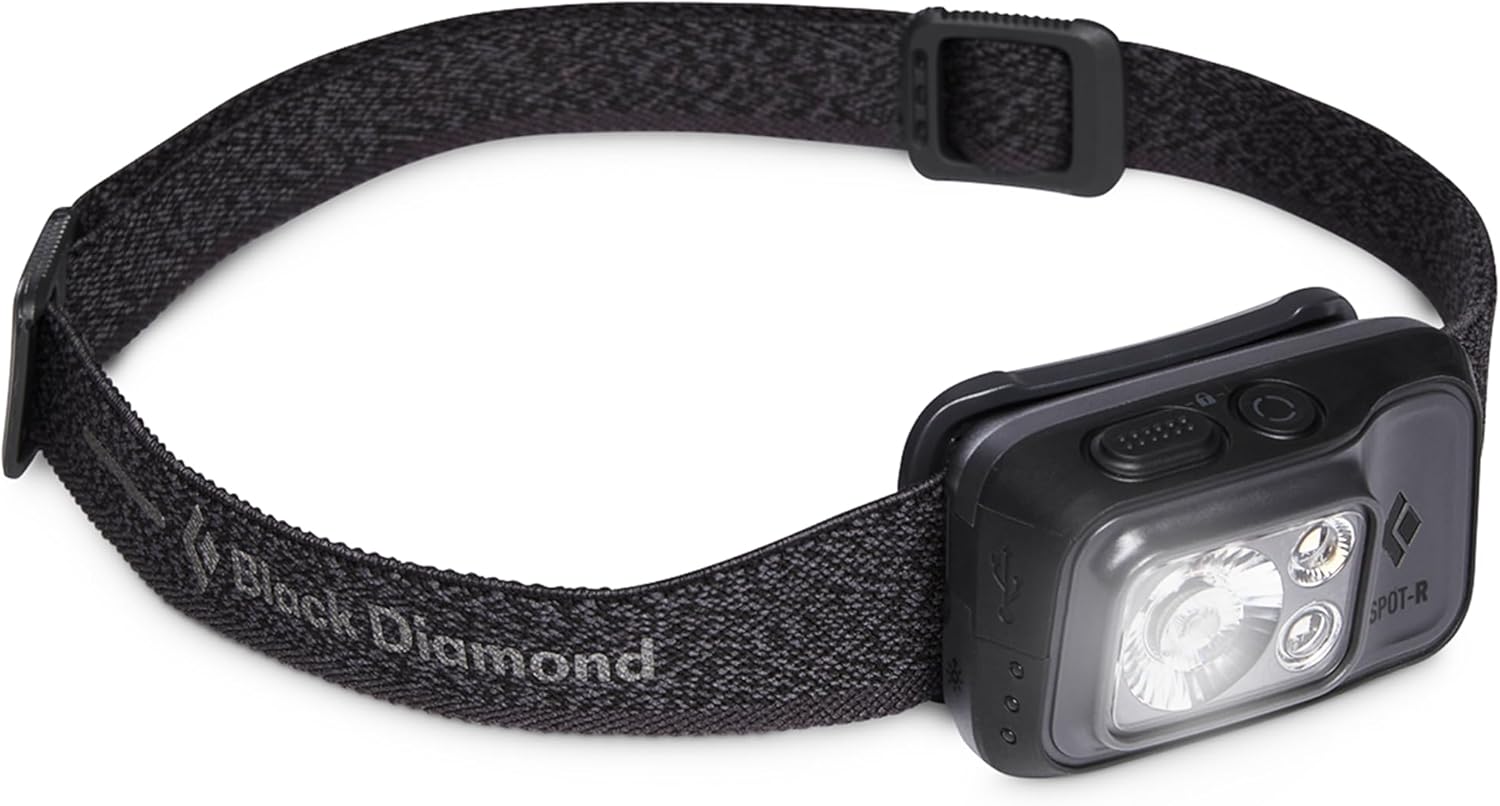
- Black Diamond Spot 400-R Headlamp. Use it for night walks to the dunes, and the red mode helps with stargazing.
Run through our camping checklist before you pack.