
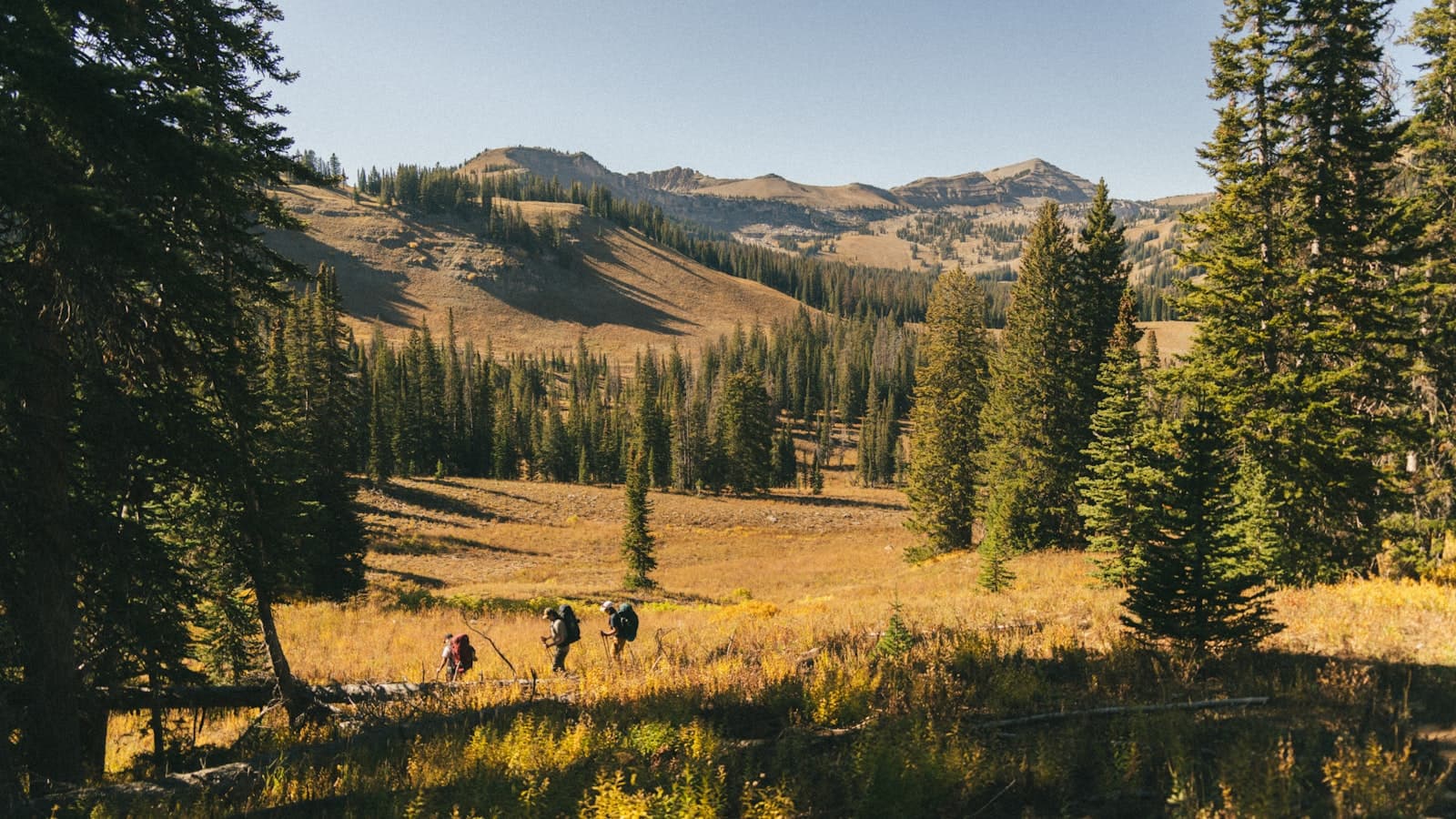
Best Trekking Poles - How to Choose for Hiking and Backpacking
Find the best trekking poles for hiking and backpacking. Compare materials, locking systems, grip styles, and features that matter on real trails.
Use this guide for
Better camping decisions, faster trip planning, and clearer gear choices. Use this article as your starting point, then keep going with related camping guides and practical help articles below.
The best trekking poles reduce strain on climbs, improve balance on descents, and make heavier backpacking loads easier to manage. The wrong pair can feel noisy, floppy, or overly heavy. This guide breaks down what actually matters before you buy.
Why trekking poles help
Trekking poles are useful for more than steep mountain trails.
They can help you:
- Stay balanced on loose or rocky terrain
- Reduce impact on knees during descents
- Keep a steady rhythm on long hikes
- Improve stability when carrying a heavier pack
- Cross shallow streams or uneven terrain more confidently
If you hike often, poles can become one of the most noticeable comfort upgrades in your kit.
Aluminum vs. carbon fiber
Aluminum poles
Aluminum poles are durable and usually more forgiving if they get wedged between rocks or loaded awkwardly. They are a strong choice for newer hikers and rougher terrain.
Best for:
- General hiking
- Budget-conscious buyers
- Durability over weight savings
Carbon fiber poles
Carbon fiber poles are lighter and feel great on long days, but they can be less forgiving under sharp side loads or impact.
Best for:
- Weight-conscious backpackers
- Long-distance hiking
- Hikers prioritizing lower swing weight
Locking systems
Flick locks
External lever locks are easy to adjust, simple to maintain, and usually the most reliable option for mixed conditions.
Twist locks
Twist locks can work well, but they are generally more prone to slipping or becoming frustrating when wet, cold, or dirty.
For most hikers, flick locks are the better choice.
Grip materials
- Cork: comfortable, less sweaty in warm weather, molds nicely to the hand over time
- Foam: soft and light, good for multi-position gripping
- Rubber: durable, but often less comfortable on long hot hikes
If you hike regularly, cork or foam usually wins.
Features worth paying for
Comfortable straps
Good straps support your hands without forcing you to death-grip the pole.
Extended grip zones
Useful on rolling terrain when you want quick hand-position changes without adjusting pole length.
Replaceable tips and baskets
Helpful if you switch between dirt, rock, snow, and softer ground.
Best trekking poles by use case
- Best for beginners: durable aluminum poles with flick locks
- Best for backpacking: lighter poles with reliable locks and comfortable grips
- Best for rough terrain: sturdy shafts and secure carbide tips
- Best for travel: collapsible or foldable poles that pack short
Sizing basics
When the pole tip is on the ground next to you, your elbow should be close to a 90-degree bend. Shorten poles slightly for climbs and lengthen them slightly for descents.
Common buying mistakes
Going too cheap
Poles that slip under load are more frustrating than helpful.
Ignoring packed length
If you travel often or strap poles to a pack, collapsed size matters almost as much as trail performance.
Skipping practice
Trekking poles work best when you use straps correctly and plant them with rhythm. They feel awkward for the first hike if you have never used them before.
Related guides
Final take
The best trekking poles are the pair you will actually carry and trust on uneven ground. Prioritize lock reliability, grip comfort, and the right balance of durability versus weight. If you hike with a loaded pack, good poles are worth it.