
Camping First Aid Kit Essentials
What to pack in a camping first aid kit and how to handle the most common outdoor injuries before help arrives.
Best for
Campers who want a fast answer they can use right away. This help article gives you practical safety & first aid advice without making you dig through a long camping blog post first.
Every camping trip should include a first aid kit. You do not need to be a wilderness medic, but you should be able to handle cuts, burns, blisters, and minor sprains until you can get to real help.
Core items every kit needs
- Adhesive bandages — multiple sizes for cuts and abrasions
- Gauze pads and medical tape — for larger wounds
- Antiseptic wipes and antibiotic ointment — to clean wounds and prevent infection
- Moleskin or blister pads — blisters are one of the most common trail injuries
- Elastic bandage (ACE wrap) — for sprains and joint support
- Medical scissors and tweezers — for splinters, ticks, and cutting tape
- Nitrile gloves — wear them before treating any wound
- Pain reliever (ibuprofen or acetaminophen) — for headaches, muscle soreness, fever
- Antihistamine (diphenhydramine) — for allergic reactions to plants or insects
- Blister treatment — drain with a sterile needle, then cover with moleskin
Items to add for multi-day trips
- SAM splint (moldable, lightweight, works for broken fingers to broken wrists)
- Irrigation syringe (rinse deep wounds with clean water)
- Wound closure strips (like Steri-Strips, for cuts that need to stay closed)
- Emergency whistle (three blasts is the universal distress signal)
- Space blanket (hypothermia moves faster than people expect)
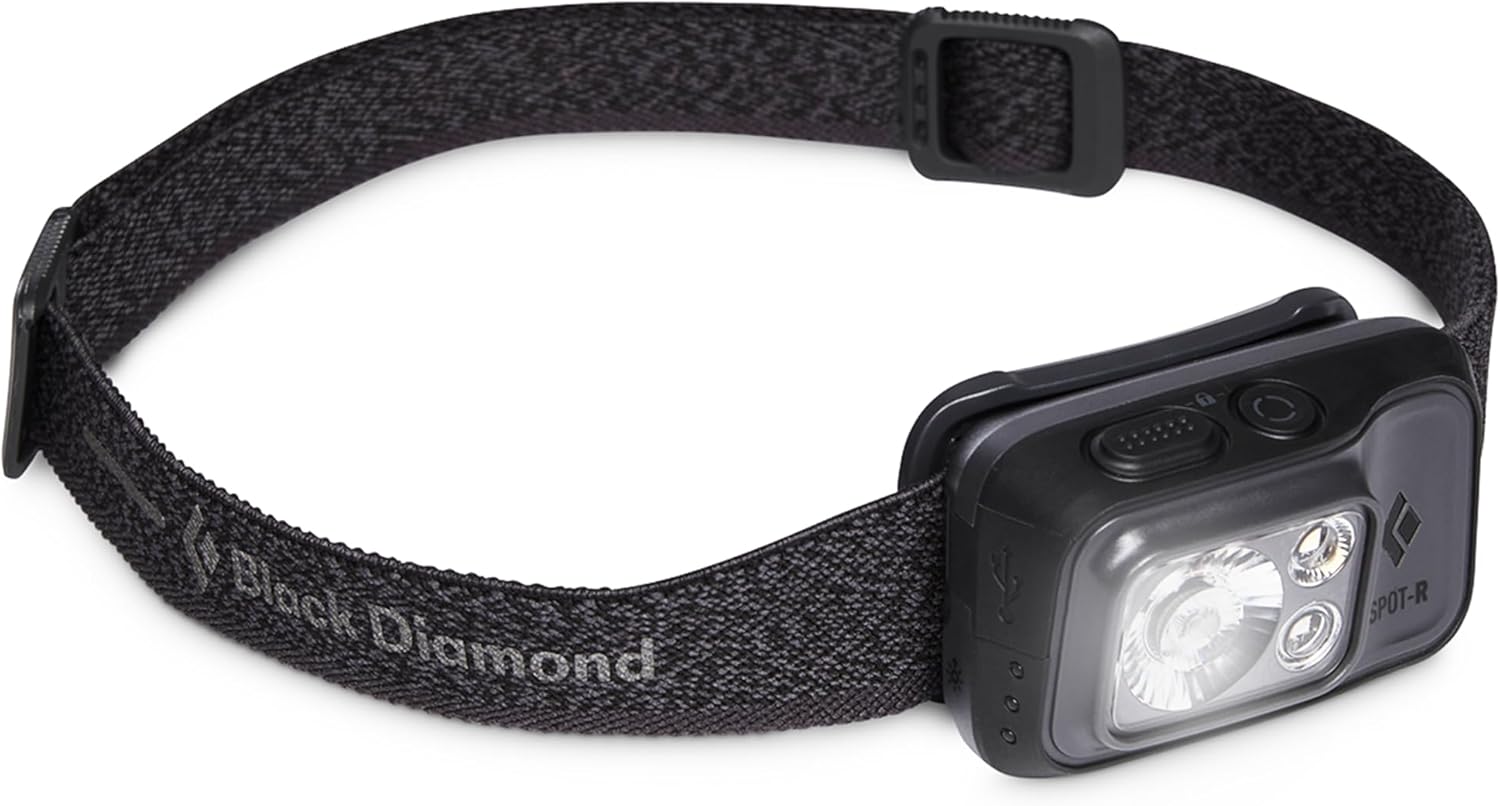
Keep a headlamp with your kit
If you need to treat an injury after dark, your hands need to be free. A good rechargeable headlamp belongs in or next to your first aid kit so you are not trying to hold a flashlight and dress a wound at the same time.
Treating common camping injuries
Blisters: Do not pop them if you can avoid it. Drain only if walking is impossible — use a sterile needle, keep the skin intact as a cover, and apply moleskin. Change the dressing daily.
Cuts and scrapes: Rinse with clean water or an irrigation syringe. Apply antibiotic ointment. Cover with a bandage. Change the dressing if it gets wet or dirty.
Sprains: Rest, ice if available, wrap with an elastic bandage, and elevate. If you cannot bear weight, that is a more serious injury than a sprain.
Burns: Cool with water for at least 10 minutes. Do not use ice, butter, or toothpaste. Cover with a sterile bandage. Small burns are manageable in camp; anything larger than your palm needs medical attention.
Tick bites: Remove with tweezers, gripping as close to the skin as possible and pulling straight out. Clean the area. Note the date and watch for a bullseye rash over the next few weeks.
When to call for help
- Chest pain or difficulty breathing
- Suspected broken bone that is not a finger or toe
- Signs of severe allergic reaction (swelling of face or throat, difficulty breathing)
- Head injury with confusion, vomiting, or loss of consciousness
- Deep wounds that will not stop bleeding after 15 minutes of direct pressure
- Hypothermia (shivering that has stopped is a bad sign, not a good one)
Know your campsite's location before you need it. Note the nearest trailhead, the cell coverage situation, and whether your park requires emergency contact registration. That information is more useful than any item in your kit if something serious happens.