
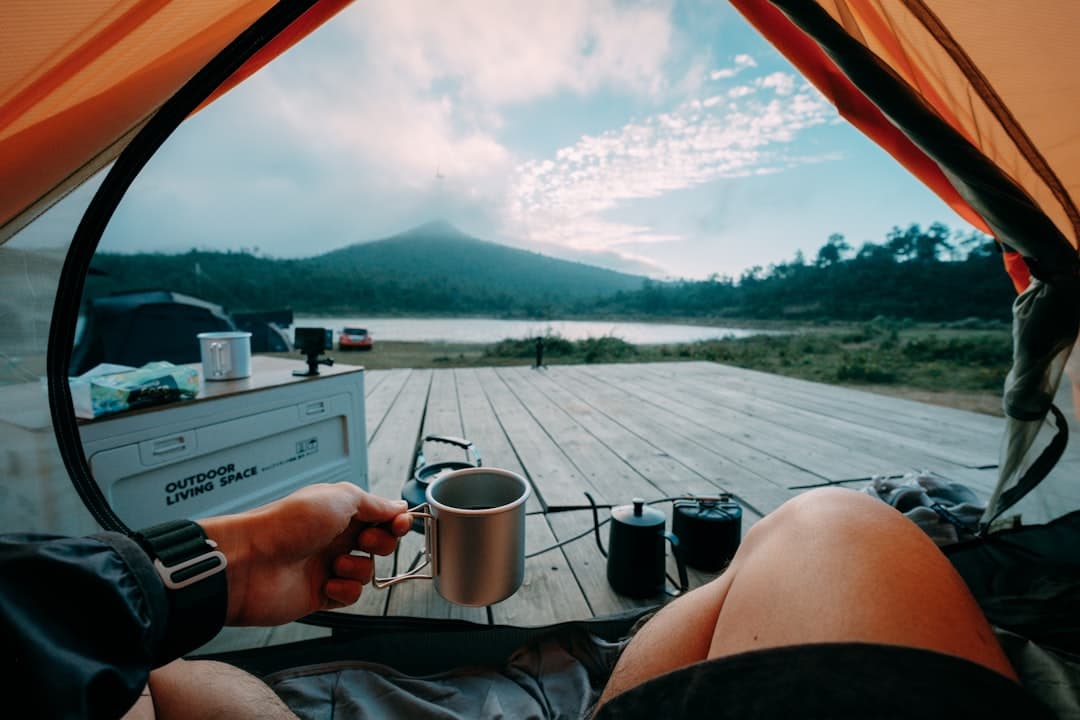
Camping Coffee: How to Make the Perfect Cup Outdoors
Discover the best ways to make coffee while camping — from French press to pour-over to cowboy coffee. Never start a cold morning without a great cup.
Use this guide for
Better camping decisions, faster trip planning, and clearer gear choices. Use this article as your starting point, then keep going with related camping guides and practical help articles below.
There's something about camping coffee that tastes better than any cup you'd make at home. Maybe it's the cold morning air, the sound of a fire cracking, or just the fact that you earned it. Whatever the reason, making coffee at camp is one of those small rituals that makes the whole trip feel right.
This guide covers the best methods for making camping coffee, the gear you'll need, and a few tips that make a real difference in your cup.
Why Camping Coffee Deserves Some Thought

At home, making coffee is automatic. At camp, you're working with a camp stove, no countertop, limited water, and whatever you packed. A little planning goes a long way — and the difference between a great cup and a terrible one often comes down to just a few small decisions before you leave the trailhead.
The Best Methods for Making Camping Coffee
1. French Press

The camping French press is the most popular method for a reason. It makes a rich, full-bodied cup, requires no disposable filters, and is easy to use. All you need is coarsely ground coffee, hot water, and a few minutes.
How to do it:
- Boil water on your camp stove (target around 200°F — just off a full boil)
- Add one heaping tablespoon of coarse grounds per 6 oz of water
- Pour in the water, stir, and let steep for 4 minutes
- Press slowly and pour
Many camping French presses are made from stainless steel or BPA-free plastic, so they travel without breaking. Look for a double-walled model to keep coffee hot longer.
2. Pour-Over
If you're used to a pour-over at home, you can bring that method to camp. A collapsible pour-over dripper sits over your cup and uses a paper or metal filter. It takes up almost no space in your kit.
The result is a clean, bright cup — lighter body than French press and no grounds in your coffee. Bring pre-ground coffee or pack a hand grinder if you want fresh-ground at camp.
3. Cowboy Coffee
This is the oldest method and requires zero extra gear — just a pot and your grounds. Bring water to a near-boil, add coffee grounds directly to the pot, let them steep for a few minutes, then pour slowly so the grounds settle to the bottom.
It's not the most refined cup, but it works in a pinch and has a certain charm. A splash of cold water helps the grounds sink faster before you pour.
4. Instant Coffee
Instant coffee has improved dramatically in recent years. Single-serve packets from brands like Starbucks Via, Alpine Start, or Voilà make a surprisingly decent cup with nothing but hot water. Zero cleanup, minimal weight, and zero mess.
For backpacking or any trip where space is tight, instant is hard to beat. For car camping, it's also a solid backup option when you don't feel like dealing with a brewing setup.
5. AeroPress
The AeroPress is a favorite among camping coffee enthusiasts who refuse to compromise on quality. It's compact, durable, easy to clean, and works with a wide range of grind sizes. You can make a concentrated espresso-style shot or a regular cup — both in under two minutes.
It uses a small paper or metal filter, so there are no grounds in your cup. The whole unit fits inside a small bag or stuff sack.
Gear You'll Need
You don't need much to make great camping coffee:
- A heat source — A reliable camp stove is essential. The Coleman Triton 2-Burner Propane Stove works perfectly for this: powerful, windproof, and easy to regulate so you can hit the right water temperature without guessing. It's overkill for just coffee, but if you're cooking breakfast at the same time, having two burners is a real advantage.
- A pot or kettle — Any small pot works. A dedicated camp kettle with a pour spout gives you more control for pour-over methods.
- A cup — The UCO 4-Piece Camping Mess Kit includes a bowl that doubles as a coffee mug in a pinch. It's lightweight, BPA-free, and handles hot liquids without issue. Pack a real insulated camp mug if you want to keep your coffee warm longer.
- Your coffee — Pre-ground for simplicity, or whole beans with a hand grinder for freshness.
Tips for Better Camping Coffee
Use fresh coffee. Pre-ground coffee goes stale fast. If you have room, pack whole beans and a compact hand grinder. The difference is noticeable.
Watch your water temperature. Boiling water (212°F) scorches coffee and makes it bitter. Let the boil settle for 30 seconds before brewing — or use a thermometer if you want precision. Around 195–205°F is the sweet spot.
Measure your coffee. It's easy to eyeball it at home, but at camp, ratios get sloppy. A small scale or pre-measured scoops help. The standard ratio is 1–2 tablespoons of ground coffee per 6 oz of water, adjusted to taste.
Keep grounds out of your cup. With French press and cowboy coffee, pour slowly and stop before you get to the bottom of the pot. The last quarter-inch is mostly grounds.
Pack out your grounds. Don't dump coffee grounds in the backcountry — scatter them at least 200 feet from water sources if you must, or pack them out in a zip bag.
Start the Morning Right
Good camping coffee doesn't require complicated gear or a lot of effort. Pick a method that fits how you camp, pack what you need, and take five minutes in the morning to do it right. That first cup at camp — with cool air, open sky, and nothing on the schedule — is one of the best parts of the whole trip.