
Campground Management: How to Run a Successful Campground in 2026
Learn the essential campground management strategies to improve guest experience, boost occupancy, and run a profitable outdoor hospitality business.
Use this guide for
Better camping decisions, faster trip planning, and clearer gear choices. Use this article as your starting point, then keep going with related camping guides and practical help articles below.
Effective campground management is the backbone of any thriving outdoor hospitality business. Whether you run a small family-owned campsite or a large commercial campground with hundreds of sites, the fundamentals of great campground management come down to the same core principles: happy guests, well-maintained facilities, and smart operations.
In this guide, we break down the essential strategies every campground operator needs to know to maximize occupancy, reduce headaches, and build a loyal base of returning campers.
What Is Campground Management?

Campground management encompasses everything involved in operating an outdoor accommodation facility. This includes reservation handling, site maintenance, staff scheduling, amenity upkeep, guest communications, and financial reporting. Done well, campground management turns a plot of land into a destination guests return to year after year.
Modern campground management also increasingly involves digital tools — from online booking platforms to property management software — that help owners automate repetitive tasks and focus more energy on the guest experience.
Key Campground Management Strategies

1. Streamline Reservations and Check-Ins
One of the biggest pain points for both guests and operators is a clunky reservation process. Implementing an online reservation system lets guests book 24/7 without requiring phone calls during peak hours. Look for systems that support real-time site availability, automatic confirmation emails, and easy cancellation policies.
For check-in, consider self-service options like gate codes or digital lock boxes for after-hours arrivals. Reducing friction at the start of a guest's stay sets a positive tone for their entire visit.
2. Keep Sites Clean and Well-Maintained
Cleanliness and upkeep consistently rank as the top factors in campground reviews. Build a daily maintenance checklist that covers:
- Clearing fire rings and removing ash
- Cleaning restrooms and shower facilities at least twice daily during peak season
- Mowing and trimming around sites
- Inspecting and restocking firewood supplies
- Checking utility hookups (water, electric, sewer) for any faults
A well-maintained campground earns higher reviews, which directly drives more bookings.
3. Hire and Train the Right Staff
Your camp hosts and front-desk staff are the face of your campground. Prioritize hiring people who genuinely enjoy working with the public and being outdoors. Train every team member on:
- Your reservation and check-in system
- Common guest questions and how to handle complaints
- Emergency procedures and first aid basics
- Leave No Trace principles to share with guests
Even a small campground benefits from having at least one on-site host who can address guest needs quickly.
4. Set Clear Rules and Communicate Them Early
Noise curfews, pet policies, fire regulations, and generator hours should be communicated at booking, at check-in, and posted visibly around the campground. Clear rules reduce conflict between guests and make enforcement straightforward.
5. Use Data to Improve Occupancy
Track your occupancy rates by week, month, and site type. Which sites fill first? Which days of the week are slowest? Use this data to run targeted promotions during slow periods — a midweek discount or a "stay 3 nights, get the 4th free" offer can meaningfully lift revenue during shoulder season.
Essential Amenities That Elevate the Guest Experience
The right amenities can turn a good campground into a great one. Consider stocking or renting out quality gear that guests may have forgotten or don't want to travel with.
Communal Cooking Facilities
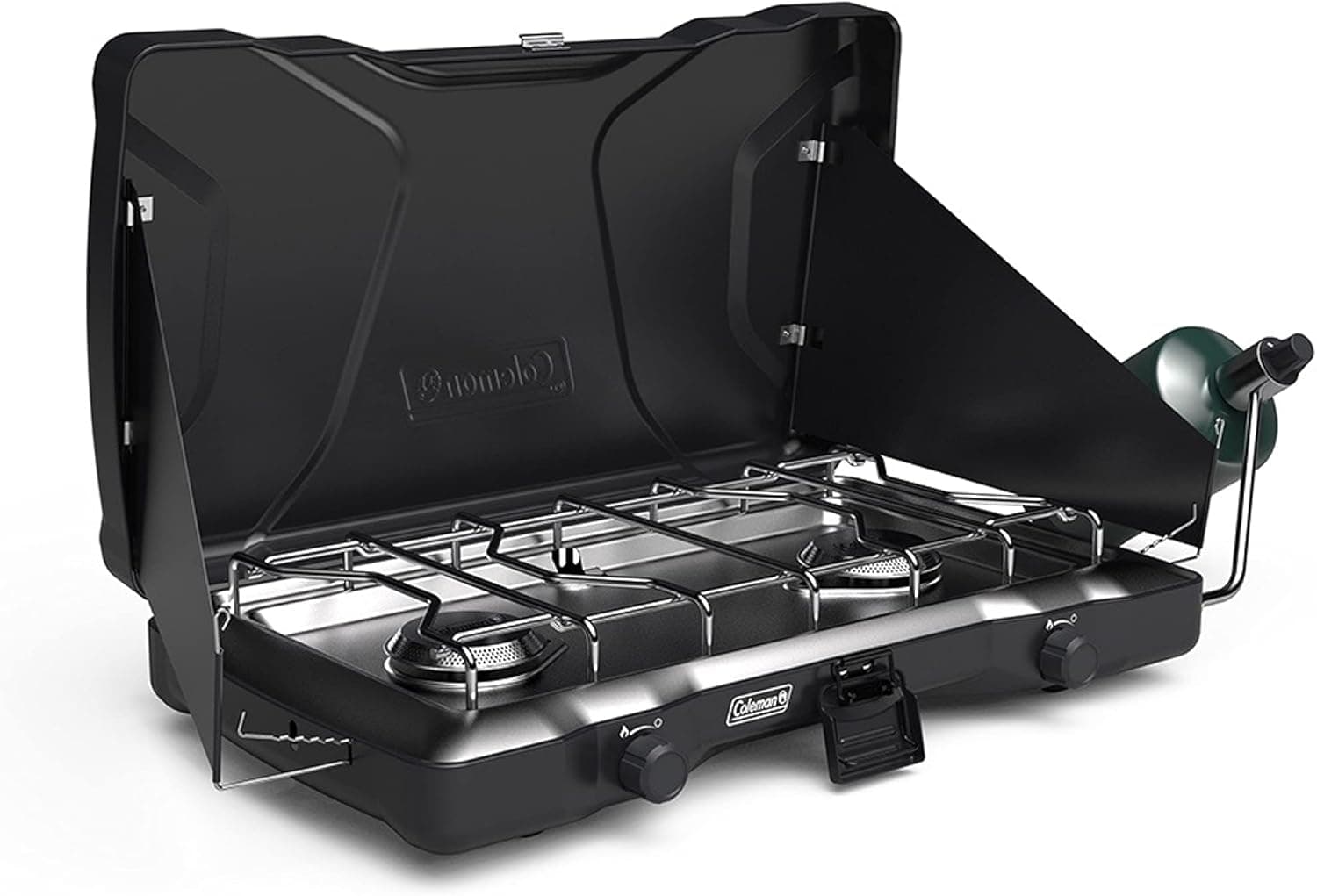
A shared cooking area is one of the most appreciated campground amenities. Equip it with a reliable, high-output stove that can handle heavy use. The Coleman Triton 2-Burner Propane Stove delivers 22,000 BTUs across two adjustable burners with built-in wind guards — durable enough for daily campground use and portable enough to set up anywhere on the property.
Loaner Seating Programs
Many guests, especially first-timers, show up without proper camp chairs. A loaner or rental program stocked with quality seating is a low-cost, high-value amenity. The Helinox Chair One is a lightweight, collapsible chair that packs small for easy storage and holds up to seasons of use.
Glamping and Tent Rental Options
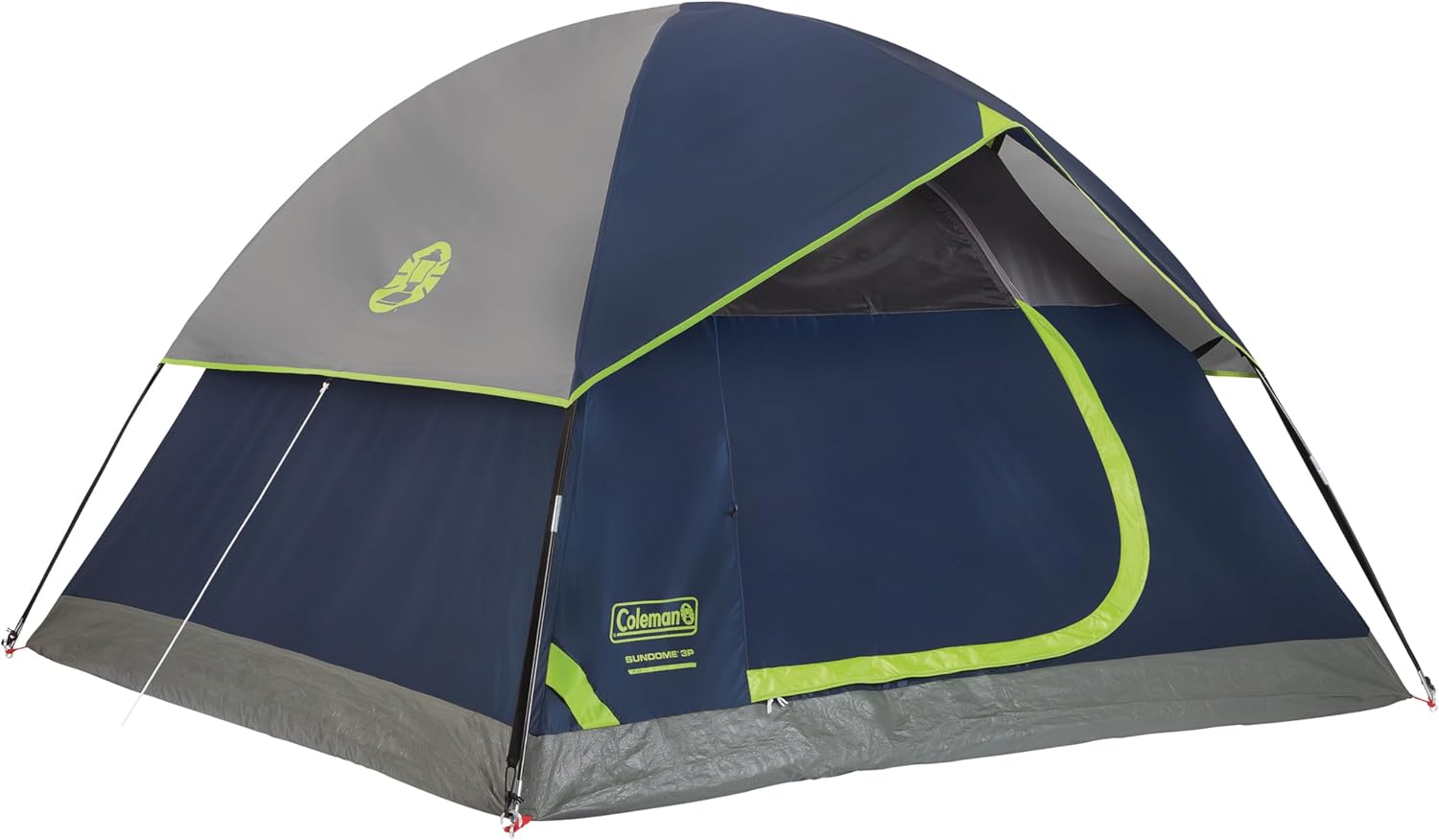
Offering furnished tent sites or tent rentals can open your campground to guests who don't own gear. The Coleman Sundome Tent sets up in under 10 minutes and comes with a full rainfly — ideal for a rental fleet that needs to handle different weather conditions and guest skill levels.
Marketing Your Campground
Great campground management means nothing if guests can't find you. Build your online presence by:
- Listing on major booking platforms (Recreation.gov, Hipcamp, Campspot, KOA if franchised)
- Encouraging every happy guest to leave a review on Google
- Maintaining an active social media presence with real photos from your campground
- Building an email list to notify past guests of seasonal openings and promotions
Word of mouth remains the most powerful marketing channel for campgrounds. A single great experience can generate multiple referrals.
The Bottom Line
Successful campground management is equal parts operational discipline and hospitality mindset. Invest in the right tools, hire people who love the outdoors, maintain your property obsessively, and make every guest feel welcome. Do those things consistently and your campground will build the reputation — and the occupancy rates — that make it a sustainable business for years to come.