
Campfire Cooking: Tips, Techniques & Gear Guide for 2026
Master campfire cooking with essential tips, easy recipes, and the best gear to make every outdoor meal a success — from breakfast to dinner.
Use this guide for
Better camping decisions, faster trip planning, and clearer gear choices. Use this article as your starting point, then keep going with related camping guides and practical help articles below.
Campfire cooking is one of the best parts of any camping trip — there's something about eating a hot meal outdoors, cooked over an open flame or a camp stove, that makes everything taste better. Whether you're a first-timer or a seasoned camper looking to level up your outdoor kitchen game, this guide covers everything you need to know.
Why Campfire Cooking Beats Restaurant Food (At the Campsite)
Campfire cooking is more than just sustenance — it's an experience. The crackle of the fire, the smell of sizzling food, the satisfaction of making a real meal with minimal equipment. Done right, outdoor cooking is easy, fun, and surprisingly delicious.

The key is preparation. If you plan your meals before you leave home, gather the right gear, and use simple cooking techniques, you'll spend less time frustrated and more time enjoying the outdoors.
Essential Campfire Cooking Techniques
Cooking Over Direct Flame

The classic campfire method works best for foods that cook quickly — hot dogs, marshmallows, skewered vegetables, and foil packets. Get your fire to a bed of glowing coals (not roaring flames) for better heat control and less scorching.
Tips for direct flame cooking:
- Let wood burn down to coals before cooking — coals give more even heat
- Use long-handled tools to keep hands away from the fire
- Aluminum foil packets are your best friend for one-pot meals

Camp Stove Cooking
A portable camping stove gives you consistent, controllable heat — perfect for sautéing, boiling water, or cooking anything that needs precise temperature. This is the most reliable method for campfire cooking, especially in areas with fire restrictions.
Benefits of camp stove cooking:
- Works regardless of weather or fire bans
- Much faster than waiting for coals
- Easier to cook multi-component meals
- No ash or smoke to deal with
Dutch Oven Cooking
A cast iron Dutch oven opens up a whole world of campfire cooking possibilities — stews, chili, biscuits, even cobblers. Place hot coals underneath and on top of the lid for oven-like heat distribution.
Easy Campfire Cooking Recipes
Breakfast: One-Pan Scramble
Crack eggs into a greased pan, add diced bell pepper, onion, and pre-cooked sausage. Cook on medium heat, stirring occasionally. Done in under 10 minutes.
Lunch: Foil Packet Quesadillas
Layer tortillas with shredded cheese and black beans in a double layer of foil. Place on hot coals for 5 minutes per side until cheese melts.
Dinner: Camp Chili
Brown ground beef in your pot, add canned beans, crushed tomatoes, and chili seasoning. Simmer for 20 minutes. Serve with crackers or bread.
Dessert: Campfire Banana Boats
Slice a banana lengthwise (keep peel on), stuff with chocolate chips and mini marshmallows, wrap in foil, and cook on coals for 8-10 minutes. Incredible.
Campfire Cooking Gear You Actually Need
You don't need a full kitchen. A focused set of quality gear makes campfire cooking practical and enjoyable.
Camp Stove
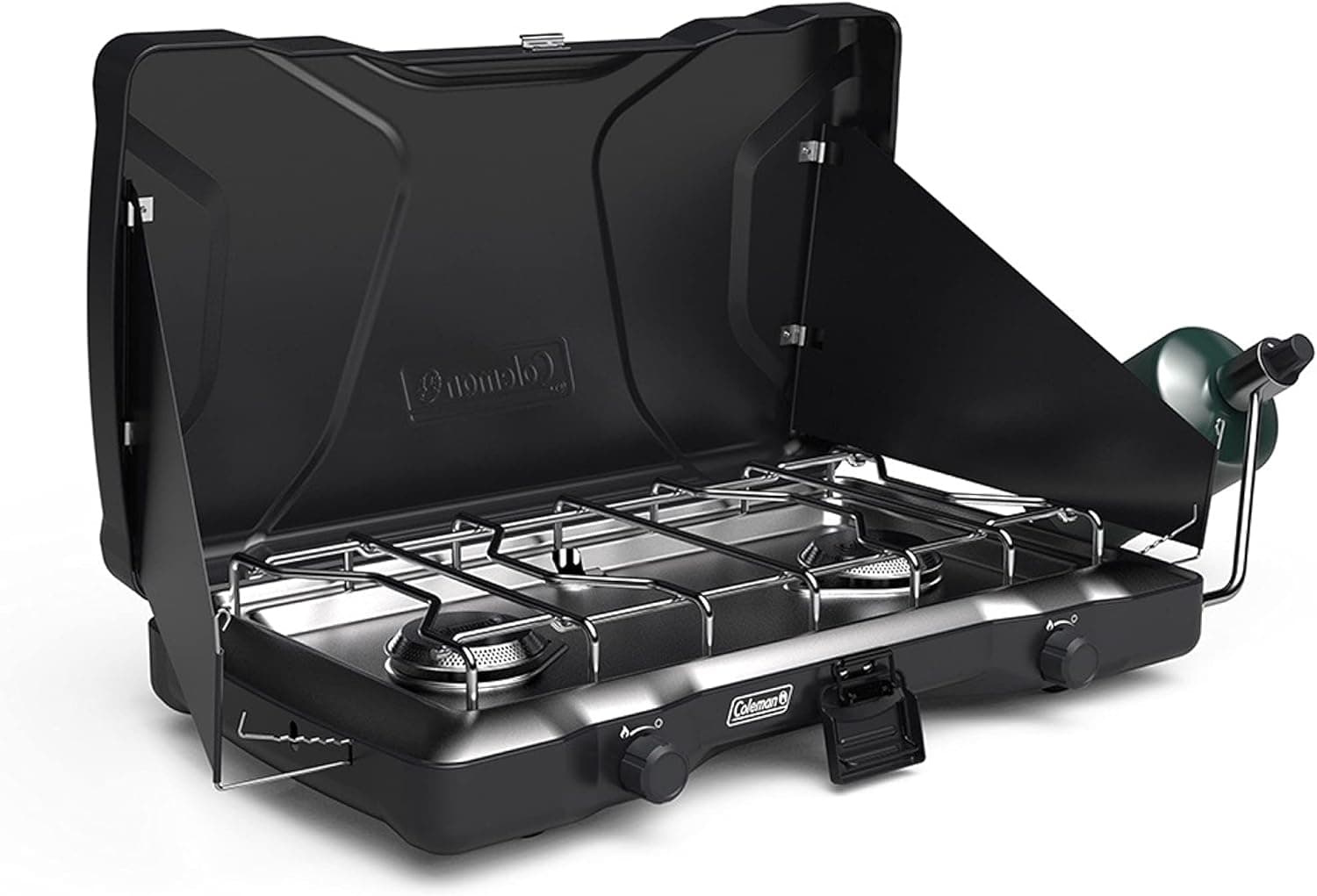
A reliable two-burner camp stove is the backbone of campfire cooking for car campers. The Coleman Triton 2-Burner Propane Stove is a top pick — it delivers 22,000 BTUs across two independently adjustable burners, has integrated wind guards, and folds up flat for transport. It runs on standard propane canisters and lights instantly.
Mess Kit and Cookware
A compact mess kit handles most campfire cooking tasks without weighing you down. The UCO 4-Piece Camping Mess Kit includes a plate, bowl, 3-in-1 spork, and tether — everything connects together so nothing gets lost. It's phthalate-free, microwave-safe, and dishwasher-safe for easy cleanup back home.
For more cooking versatility, the MalloMe Camping Cookware Mess Kit is a 10-piece bundle with a non-stick anodized aluminum pot and pan, two BPA-free bowls, and full utensil set. It all packs together in a compact bundle — ideal for car camping or base camp cooking.
Other Gear Worth Packing
- Long-handled tongs and spatula — essential for handling food over the fire safely
- Cast iron skillet — heavy but worth it for superior heat retention
- Cutting board — a small flexible one works great at camp
- Sharp camp knife — for prepping vegetables, meats, and bread
- Biodegradable camp soap — for washing up without harming the environment
Campfire Cooking Safety Tips
- Always cook at least 200 feet away from your tent to avoid attracting wildlife
- Never leave a camp stove or fire unattended
- Store food in bear-resistant containers or hang it in a bear bag when not cooking
- Fully extinguish your campfire before going to sleep — drown it with water, stir, and repeat
- Keep a small bucket of water or sand nearby as a fire extinguisher
Meal Planning for Camp
The secret to stress-free campfire cooking is prepping at home. Here's a simple approach:
- Plan each meal before you leave — breakfast, lunch, dinner, and snacks for each day
- Pre-chop vegetables and store in zip-lock bags to save time at camp
- Pre-marinate meats at home and freeze them — they'll thaw during travel and be ready to cook
- Pack a spice kit — a small container with salt, pepper, garlic powder, and your favorites goes a long way
- Bring one-pot meals for the first night when you're tired from setup
Final Thoughts
Campfire cooking is a skill that gets easier and more enjoyable every trip. Start simple — a camp stove and a basic mess kit is all you need for your first outing. As you gain confidence, experiment with foil packets, Dutch oven meals, and more elaborate campfire recipes.
The right gear makes a huge difference. A quality camp stove eliminates the guesswork, and a solid mess kit means you're always ready to cook a hot meal no matter where you are. Pack smart, plan ahead, and enjoy every bite.