
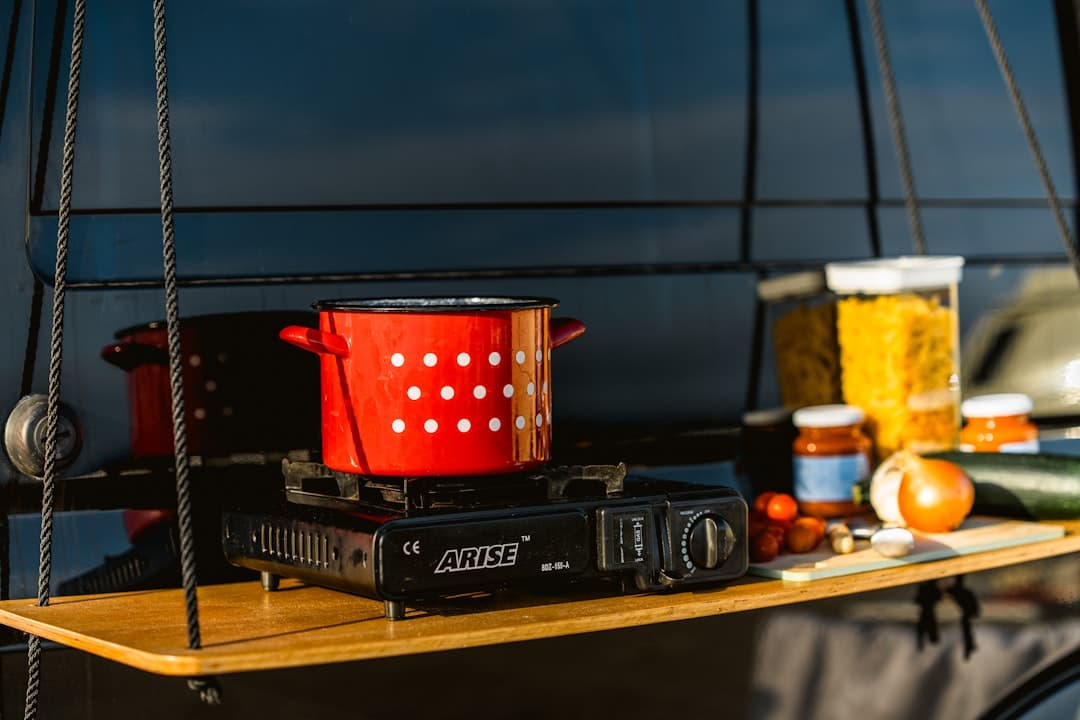
Camp Kitchen Setup: How to Build the Perfect Outdoor Cooking Station
Learn how to set up a camp kitchen that's organized, efficient, and easy to cook in—covering gear, layout, and pro tips for any campsite.
Use this guide for
Better camping decisions, faster trip planning, and clearer gear choices. Use this article as your starting point, then keep going with related camping guides and practical help articles below.
A good camp kitchen setup can make the difference between a stressful mealtime and a genuinely enjoyable outdoor cooking experience. Whether you're car camping for the weekend or settling into a week-long base camp, having a functional, organized cooking station keeps things simple and lets you focus on the food—and the scenery.
What Goes Into a Camp Kitchen Setup?
A camp kitchen is just a dedicated area and set of gear for preparing and eating meals outdoors. Unlike backpacking where you minimize every ounce, a car camping kitchen setup lets you bring real cooking equipment that makes meals actually satisfying.

The core components are:
- A camp stove — your heat source for everything
- Cookware and utensils — pots, pans, plates, and tools for prep and eating
- A prep surface — a table or camp kitchen stand keeps food off the ground
- Food storage — a cooler for perishables, dry bags or bins for pantry items
- A cleanup station — collapsible basins, biodegradable soap, and a trash bag
Choosing Your Camp Stove

The stove is the anchor of any camp kitchen setup. For car camping, a two-burner propane stove gives you the flexibility to boil water and cook a main dish at the same time.
The Coleman Triton 2-Burner Propane Stove is a classic choice that delivers serious cooking power—22,000 BTUs across two adjustable burners. It has built-in wind guards, folds flat for transport, and connects to a standard 1-lb propane canister. If you want to cook breakfast and keep coffee hot at the same time, two burners make that effortless.
A few things to look for in any camp stove:

- BTU output — Higher BTU means faster boiling, which matters when you're hungry after a long hike
- Wind protection — Open flames die in a breeze; built-in guards save you from the frustration
- Adjustable heat — Simmer control lets you do more than just boil water
- Easy ignition — Look for piezo igniters so you're not hunting for a lighter
Cookware and Mess Kits
Once you have a stove, you need something to cook in and eat from. For a solo camper or a couple, a compact cookware set handles most meals without taking up much space.
The UCO 4-Piece Camping Mess Kit keeps things minimal—a plate, bowl, and 3-in-1 spork all nest together with a locking connection. The rubberized bottoms prevent sliding on any surface, and the whole set is dishwasher-safe for easy cleanup back home.
If you're cooking for more people or want more versatility, the MalloMe Camping Cookware Mess Kit gives you a 10-piece set: a 1-liter anodized aluminum pot, a pan, two BPA-free bowls, and a full set of utensils. Everything nests into a compact bundle and the non-stick coating means less scrubbing after dinner.
For cookware, prioritize:
- Lightweight materials — Aluminum is light; hard anodized aluminum is durable
- Non-stick coating — Makes cleanup dramatically easier with limited water
- Nesting design — Saves packing space in your car or camp bin
- Appropriate size — Match pieces to your group size
Organizing Your Camp Kitchen Layout
Even a small campsite can have a well-organized kitchen if you think about the workflow. A good camp kitchen layout mirrors how a home kitchen works: prep, cook, plate, clean.
Set up in this order:
- Prep area first — A folding table or camp kitchen stand at a comfortable standing height
- Stove in the center — Positioned away from flammable gear and with clear airflow
- Utensils within reach — A small bag or roll to hang tools nearby
- Waste and cleanup to the side — Keep trash bag and water basin away from the food prep area
Keep your pantry items in a clearly labeled bin or dry bag. Group ingredients by meal to make cooking faster when you're tired.
Food Storage at the Campsite
How you store food matters both for convenience and for safety—especially in areas with bears or other wildlife. Use a hard-sided cooler for anything perishable and keep it in the shade. Store dry goods in airtight containers or a sealed bin to keep moisture and critters out.
In bear country, follow Leave No Trace guidelines: store all food (including snacks, trash, and anything scented) in a bear canister or hang it from a tree at least 200 feet from your sleeping area.
Camp Kitchen Cleanup Tips
Cleaning up in the backcountry takes a bit more intention than at home. Use two collapsible basins—one for washing with biodegradable soap, one for rinsing. Strain food scraps from your wash water and pack them out with your trash. Never dump gray water directly into a water source; scatter it at least 200 feet away.
A small bottle of Dr. Bronner's or similar biodegradable camp soap handles dishes, hands, and personal hygiene in one.
Getting Your Camp Kitchen Ready
Setting up a camp kitchen doesn't have to be complicated. Start with a reliable stove and a compact cookware set, add a folding table and a bin for organization, and you've got everything you need for real meals outdoors. The key is having a system before you leave home—pack by meal, label your bins, and set up your station the same way every time so it becomes second nature.
With the right gear and a bit of planning, cooking at the campsite can be one of the best parts of the trip.