
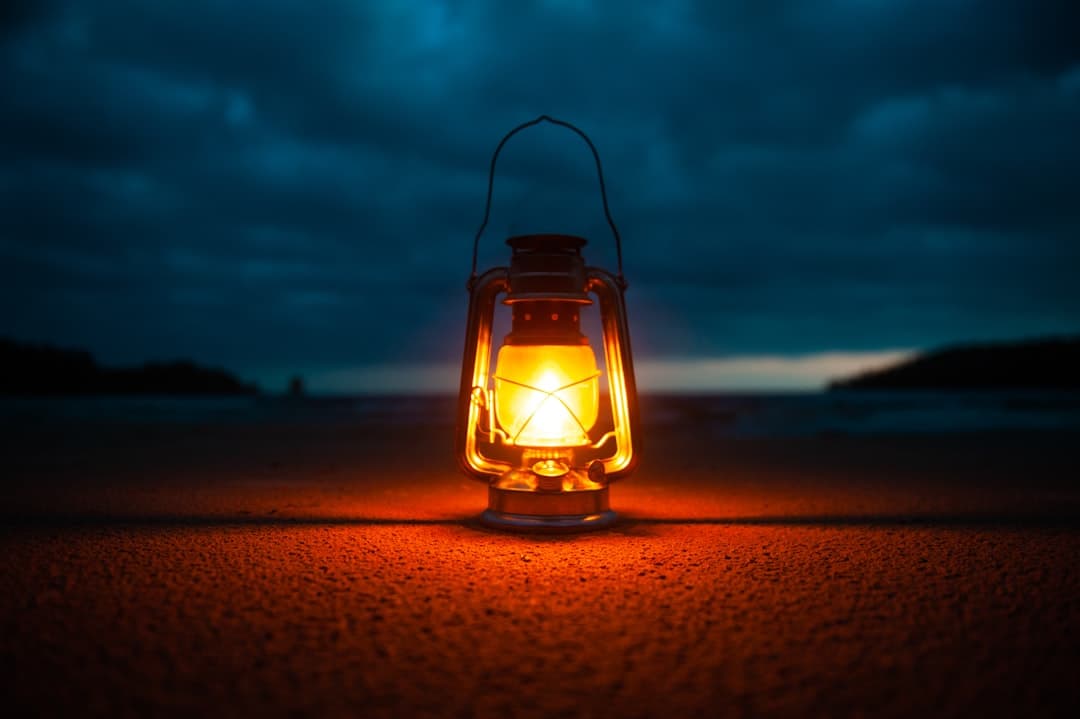
Best Camping Lantern in 2026: Top Picks for Every Camper
Find the best camping lantern for your next trip. We compare LED, propane, and rechargeable lanterns to help you light up your campsite all night long.
Use this guide for
Better camping decisions, faster trip planning, and clearer gear choices. Use this article as your starting point, then keep going with related camping guides and practical help articles below.
A good camping lantern transforms your campsite after dark. It's the difference between fumbling around in the dark and actually enjoying the evening — cooking a proper meal, reading by the fire, or playing cards with your crew under a warm glow. Whether you're a weekend car camper or a serious backpacker, choosing the best camping lantern for your needs is one of those gear decisions that quietly makes every trip better.
What Makes a Great Camping Lantern?
Not all lanterns are created equal. The best camping lanterns share a few key traits:
- Brightness control — A dimmer lets you switch between full campsite illumination and a soft ambient glow for winding down at night.
- Long runtime — You don't want your light dying at 10 PM. Look for runtimes of 6–12+ hours on a mid-brightness setting.
- Durability — Campsite gear gets knocked around. A lantern should survive drops, moisture, and being buried at the bottom of a bag.
- Portability — For backpackers, weight matters. For car campers, a bigger, brighter lantern is fine.
- Fuel type — LED lanterns run on batteries or USB charging. Propane and gas lanterns burn brighter but require fuel canisters.
Types of Camping Lanterns
LED Lanterns
LED lanterns are the default choice for most campers today. They're safe, efficient, and easy to use. Many run on AA batteries, while rechargeable models charge via USB. The brightness output has improved dramatically in recent years — a quality LED lantern can rival older gas models.
Best for: All-around camping, families, campsites with kids.
Pros: No open flame, long runtime, consistent brightness, easy to find batteries anywhere Cons: Can't match the raw brightness of large propane lanterns at max output
Rechargeable Lanterns
A subset of LED lanterns, rechargeable models eliminate the need to stock up on batteries. Many double as power banks for charging phones and headlamps. They're ideal for modern campers who want minimal gear fuss.
Best for: Car campers, festival goers, anyone who hates carrying spare batteries.
Pros: Convenient USB charging, often include phone charging output, eco-friendly Cons: Need a charge before you leave; dead battery = dark campsite if you forget
Propane and Gas Lanterns
Propane lanterns put out serious light — far more than most LED models at the same price. They create a warm, classic camping ambiance. But they require fuel canisters, have an open flame, and need ventilation.
Best for: Experienced car campers, group campsites, anyone who wants maximum brightness.
Pros: Very bright, no batteries needed, warm light quality Cons: Open flame hazard, fuel canisters add weight and cost, not suitable for tent interiors
Candle Lanterns
Candle lanterns use a real flame inside a protective glass enclosure. They're lightweight, create beautiful ambient light, and are popular with backpackers who want minimal weight and a warm glow on cold nights.
Best for: Ultralight backpackers, romantic evenings at the campsite.
Pros: Very lightweight, long burn time per candle, warm light Cons: Dim compared to LED and propane, fire risk, wax drips
What to Look For When Buying a Camping Lantern
Lumens
Lumens measure the total light output. Here's a rough guide:
- 50–150 lumens: Soft ambient light, reading, tent interior
- 150–400 lumens: General campsite lighting for 1–2 people
- 400–1000+ lumens: Full group campsite illumination, large sites
Most LED camping lanterns sit in the 150–500 lumen range. That's plenty for 99% of camping scenarios.
Battery Life
Check the runtime at a mid-brightness setting, not just at maximum. Most lanterns list a very long runtime at lowest brightness and a short runtime at maximum. A lantern that runs 8 hours at 50% brightness is more useful than one that runs 2 hours at full blast.
Weight
For backpackers, even a small lantern adds meaningful weight. Mini collapsible LED lanterns weigh as little as 3–4 oz. Full-sized rechargeable models can hit 1+ lb. Car campers rarely need to worry about weight.
Water Resistance
Look for an IPX4 rating or better, which means the lantern can handle splashes and light rain without issue. IPX6 or IPX7 handles heavier rain and accidental submersion.
Collapsibility
Many LED lanterns collapse flat for storage, then pop open to diffuse light more evenly. This makes packing easier and protects the light while in your bag.
Don't Forget a Headlamp
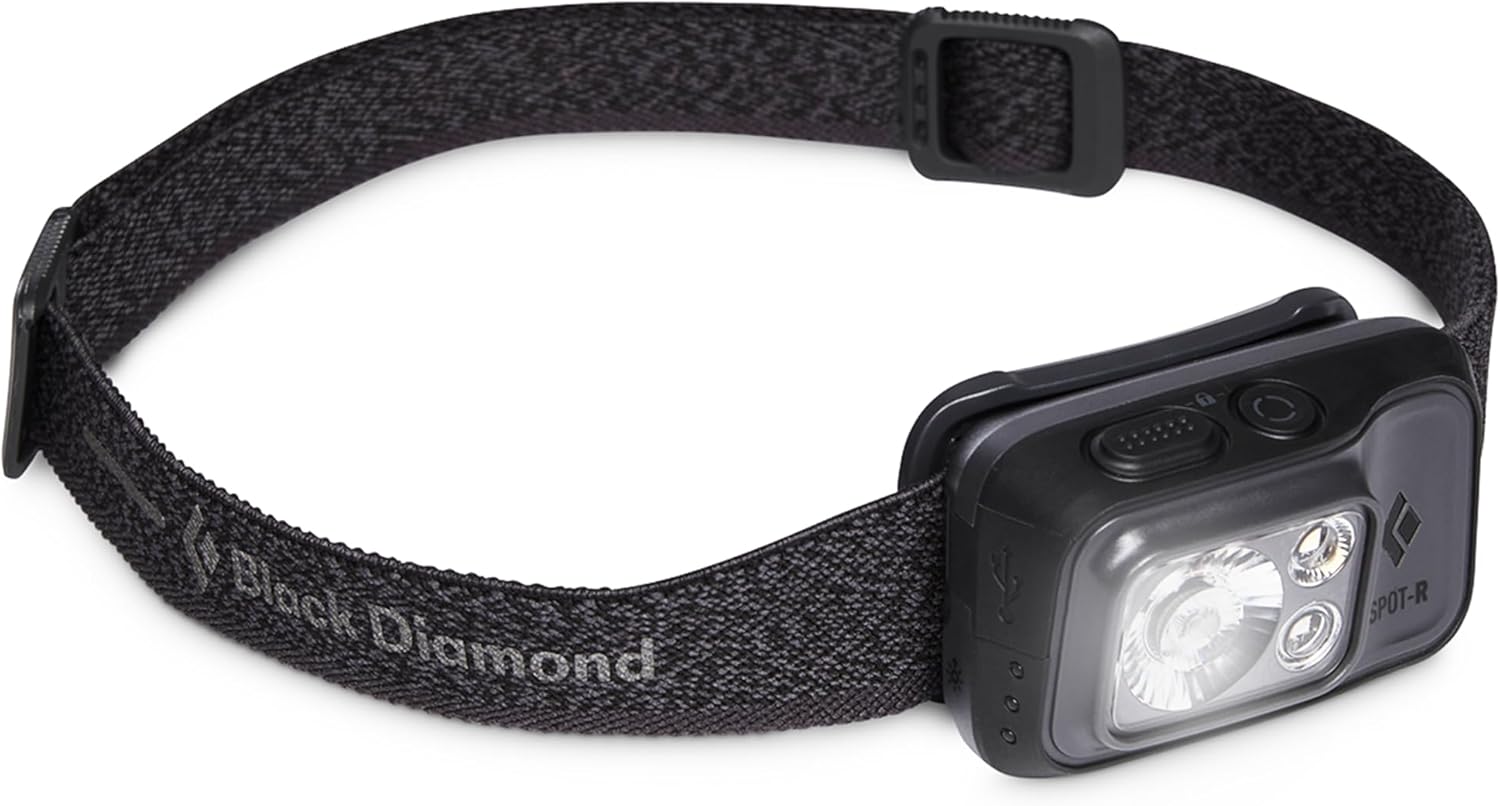
A lantern lights your campsite, but a headlamp is your personal light source for tasks that need two free hands — setting up the tent at dusk, finding gear in a dark bag, or hiking to the bathroom at 2 AM. Every camper should carry one.
The Black Diamond Spot 400-R delivers 400 lumens of rechargeable power in a compact, waterproof design. It has a dimmer, a red light mode for preserving night vision, and charges via USB — making it the perfect companion to any camping lantern setup.
Complete Your Campsite Setup
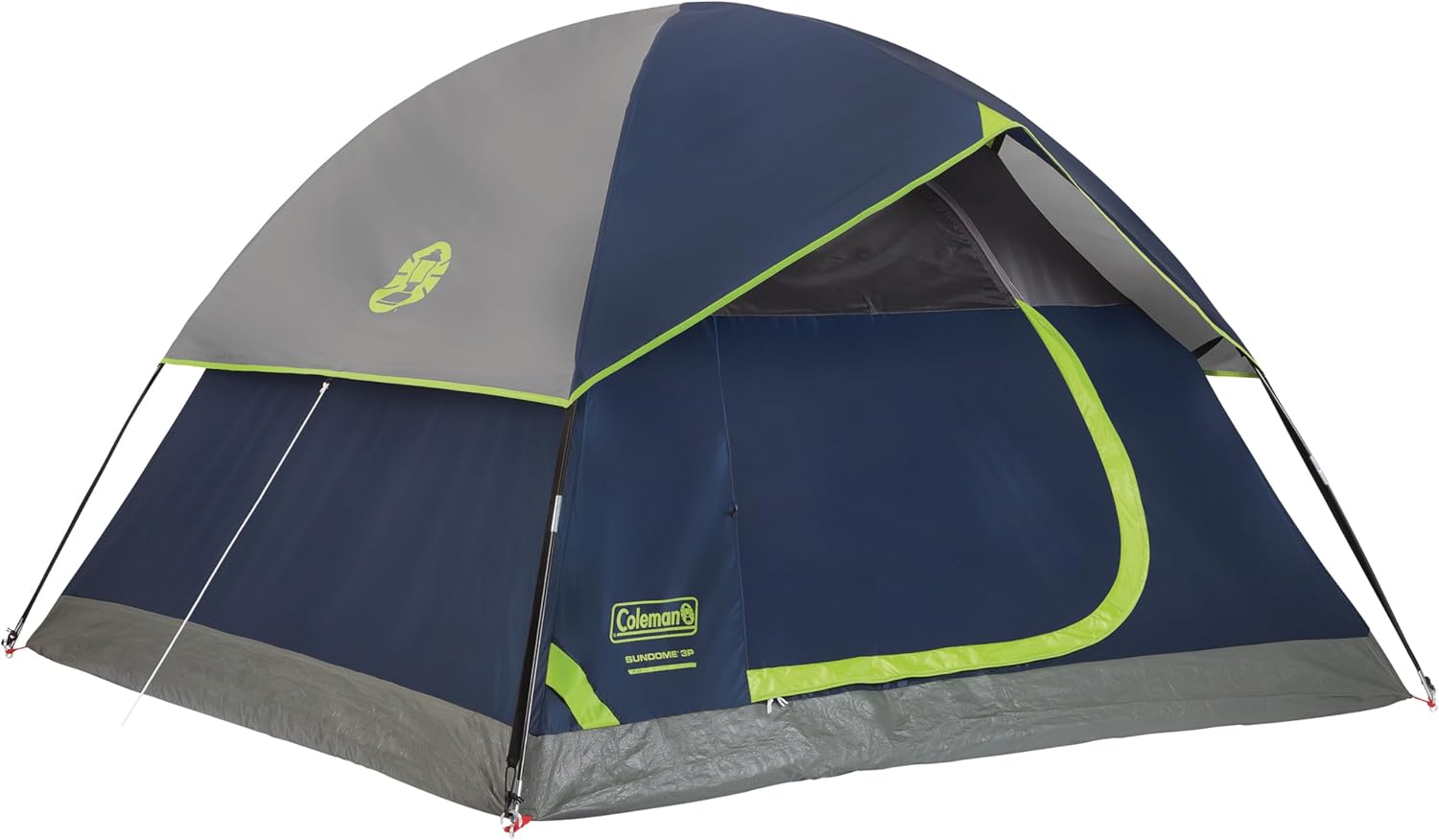
A great lantern shines brightest when you have somewhere comfortable to hang out under it. The Coleman Sundome Tent is a proven shelter that sets up in under 10 minutes, with a weatherproof rainfly and enough interior space to actually spread out. Stake it down, hang your lantern from the ceiling hook (most tents have one), and you've got a cozy basecamp for the night.
Tips for Getting the Most Out of Your Camping Lantern
- Hang it high — Hanging a lantern from a tent loop, tree branch, or tarp ridgeline spreads light more evenly than placing it on the ground.
- Use a lower brightness setting — Your eyes adjust to lower light levels quickly. A dimmer setting extends battery life dramatically without feeling much darker after a few minutes.
- Bring a spare light source — Even the best lantern can run out of battery or break. A backup headlamp or small flashlight costs almost nothing and saves trips in the dark.
- Never use propane lanterns inside a tent — Carbon monoxide is invisible and deadly. Gas and propane lanterns are strictly for outdoor use only.
- Store with batteries removed — If you won't use your lantern for months, remove the batteries to prevent corrosion from leaks.
Final Thoughts
The best camping lantern is the one that matches how you camp. For most car campers and families, a bright rechargeable LED lantern in the 300–600 lumen range is the sweet spot — reliable, convenient, and bright enough to light a full campsite. Backpackers should look at ultralight mini lanterns that weigh just a few ounces. Propane fans get the most raw brightness but need to weigh the fuel and fire considerations.
Pair your lantern with a quality headlamp and you'll never be caught in the dark again — no matter what hour nature calls.