
Best Camping Backpack in 2026: Top Picks for Every Trip
Find the best camping backpack for your next adventure. We cover top-rated packs for backpacking, hiking, and car camping to suit every style and budget.
Use this guide for
Better camping decisions, faster trip planning, and clearer gear choices. Use this article as your starting point, then keep going with related camping guides and practical help articles below.
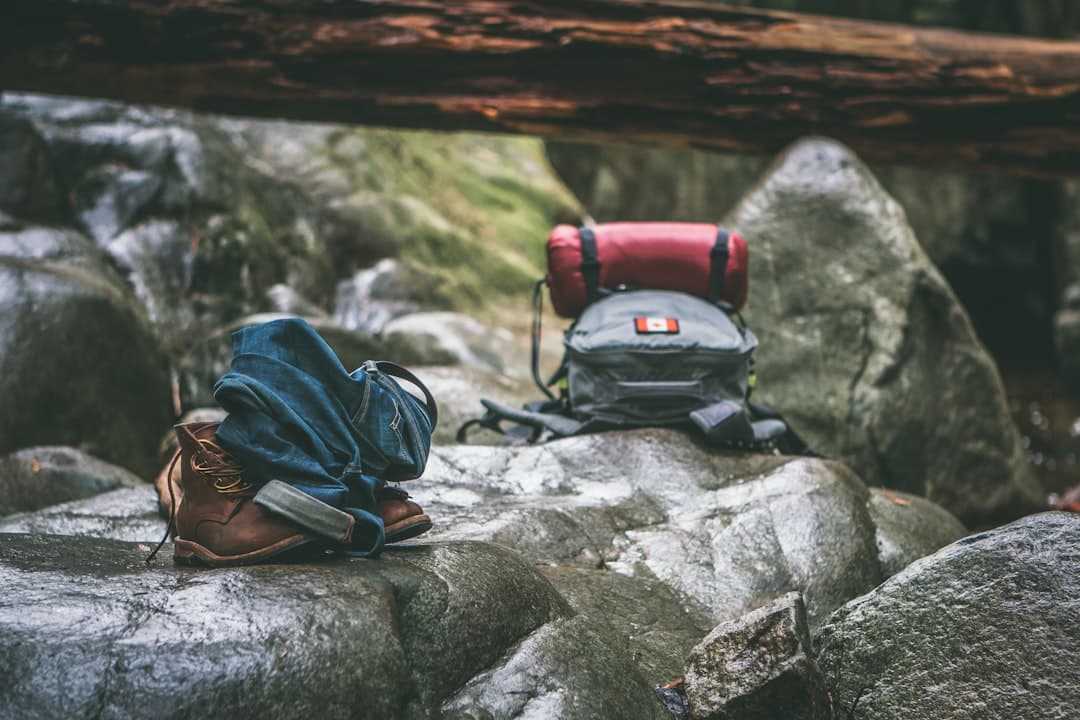
Choosing the best camping backpack is one of the most important gear decisions you'll make. Your pack is the foundation of every trip — it carries your shelter, sleep system, food, water, and everything else you need to stay comfortable in the backcountry. Get it right and everything else falls into place. Get it wrong and you'll feel it in your shoulders and back for miles.
This guide breaks down what to look for in a camping backpack and which features matter most for different styles of camping.
What to Look for in a Camping Backpack
Not all packs are created equal. Before picking one, think through how you'll actually use it:
- Capacity (liters): This is the biggest determining factor. Daypacks run 15–30L. Overnight packs land in the 30–50L range. Multi-day backpacking trips typically need 50–70L, and extended expeditions may need 70L+. When in doubt, go slightly larger — you can always compress a bigger pack, but you can't expand a small one.
- Fit and suspension: A well-fitted pack is everything. Hip belts should sit on your hip bones, not your waist, and carry 70–80% of the pack's weight. Look for packs with adjustable torso length so you can dial in the fit.
- Frame type: Internal frames keep weight close to your center of gravity and work great for off-trail hiking. External frames offer better ventilation and are ideal for heavy loads on established trails.
- Weight: Ultralight packs sacrifice durability for weight savings. Mid-weight packs (3–5 lbs) offer the best balance for most campers. A lighter pack means more energy left for the trail.
- Organization: Top-loading packs are simple and durable. Panel-loading packs open like a duffel and make it easier to access gear in the middle. Hip belt pockets, lid pockets, and side pockets are all worth evaluating based on how you organize your kit.
- Rain protection: Most packs aren't waterproof from the factory. Look for packs that come with an integrated rain cover, or plan to use a pack liner and dry bags for critical gear.
Types of Camping Backpacks
Daypacks (15–30L)
Ideal for day hikes from a base camp. Light, minimal, and easy to carry. Not designed for overnight gear.
Overnight Packs (30–50L)

The sweet spot for one to two night trips with a lightweight sleep system. Forces you to pack efficiently and rewards ultralight gear choices.
Multi-Day Backpacking Packs (50–70L)
The most versatile category for three-season camping. Enough room for a four-season sleep system, a week of food, and all your safety gear. Most serious backpackers live in this range.
Car Camping Duffels and Packs
If you're driving to your campsite, a traditional backpacking pack isn't necessary. A large duffel or soft-sided bag works just as well and is often easier to pack a car with. Weight and fit don't matter as much when you're not carrying it far.
What to Pack in Your Camping Backpack
The gear you put inside your pack matters as much as the pack itself. A few essentials that belong in every overnight kit:
ALPS Mountaineering Flexcore Self-Inflating Air Pad
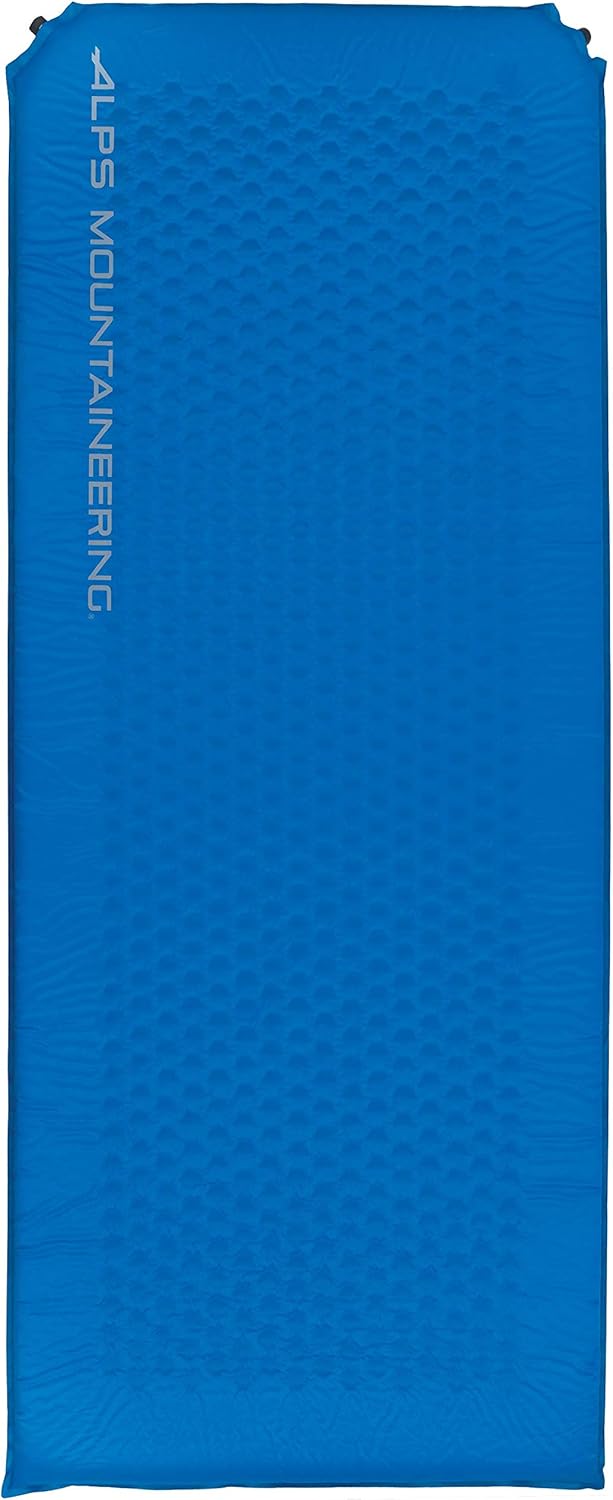
Your sleeping pad protects you from the cold ground and provides the thermal insulation your sleeping bag can't — compressed insulation under your body loses most of its loft. The ALPS Mountaineering Flexcore is a self-inflating foam pad that opens up on its own when you release the valve. No pumping required. The foam core means no puncture risk, and it rolls up small enough to strap to the outside of most packs.
It's a reliable, no-fuss option that works for both car camping and backpacking. Durable enough to handle years of use on rocky and rooty terrain.
Teton Sports Celsius Sleeping Bag
A compact sleeping bag is a must for any overnight trip. The Teton Sports Celsius line comes in multiple temperature ratings — 25°F, 20°F, and 0°F — making it easy to match your bag to your expected conditions. The synthetic fill compresses into the included travel sack and stays warm even if it gets damp, which is important when you're packing through rain.
For most three-season backpackers, the 20°F version is the go-to choice. It handles spring through early fall camping across most of the U.S. without being overkill.
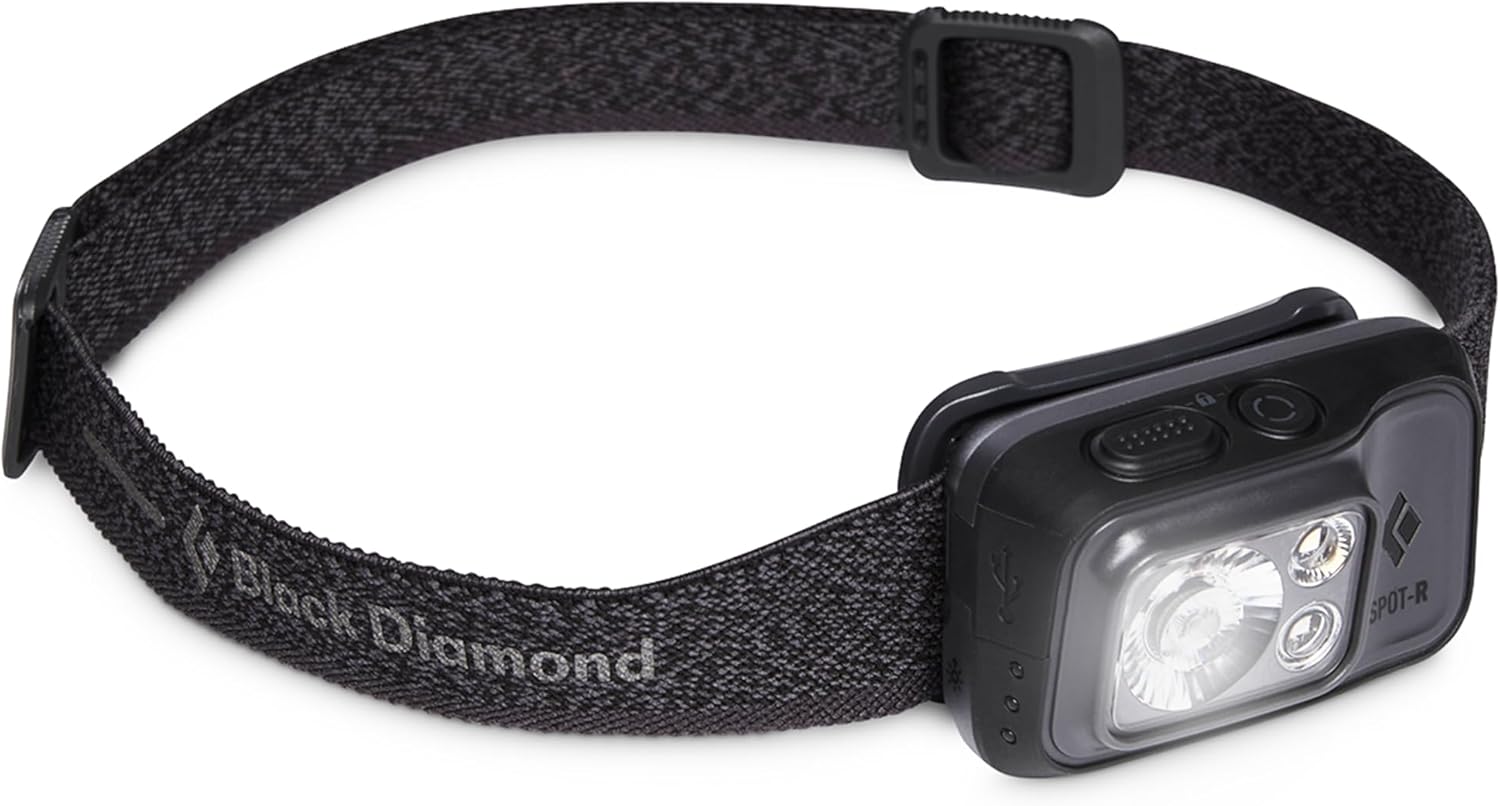
Black Diamond Spot 400-R Rechargeable Headlamp
A headlamp is non-negotiable. Setting up camp after dark, finding the bathroom at 3 AM, navigating a predawn start — a headlamp handles all of it without tying up your hands. The Black Diamond Spot 400-R puts out 400 lumens with USB-C recharging, so you can top it off from a power bank. It's waterproof, dimmable, and compact enough to forget it's in your pack until you need it.
It's the headlamp that experienced backpackers reach for: bright enough for serious trail use, simple enough that you never fumble with it in the dark.
Tips for Packing Your Backpack
- Heaviest items close to your back: Dense gear like your sleep system, food, and water should sit closest to your spine to keep your center of gravity balanced.
- Frequently used items go on top or in outer pockets: Rain gear, snacks, maps, and your headlamp should be accessible without digging through the whole pack.
- Compress your sleeping bag: Use the bottom compartment of your pack to keep the bag low and away from water exposure.
- Fill every void: Stuff soft items like clothing into gaps around hard gear to prevent shifting.
- Weigh your pack before the trip: A loaded pack should ideally be no more than 20–25% of your body weight for comfortable all-day carrying.
The Bottom Line
The best camping backpack is the one that fits your body well and matches your trip length. Don't overbuy — a massive 75L pack on a weekend trip is miserable to carry. And don't underbuy — cramming a week's worth of gear into a 40L pack is just as miserable.
Once you have the right pack, focus on what goes inside it. A quality sleeping pad, a well-rated sleeping bag, a reliable headlamp, and one of the best backpacking water filters are the core of any overnight kit. Get those dialed in and the rest of your gear list gets a lot easier.