
How Long Does It Take to Set Up a Tent?
Most camping tents take 10–30 minutes to set up the first time. Here is what affects setup time and how to get faster with practice.
Best for
Campers who want a fast answer they can use right away. This help article gives you practical faq advice without making you dig through a long camping blog post first.
The honest answer is: it depends on the tent and how many times you have done it before. Here is a realistic range.
Average setup times by tent type
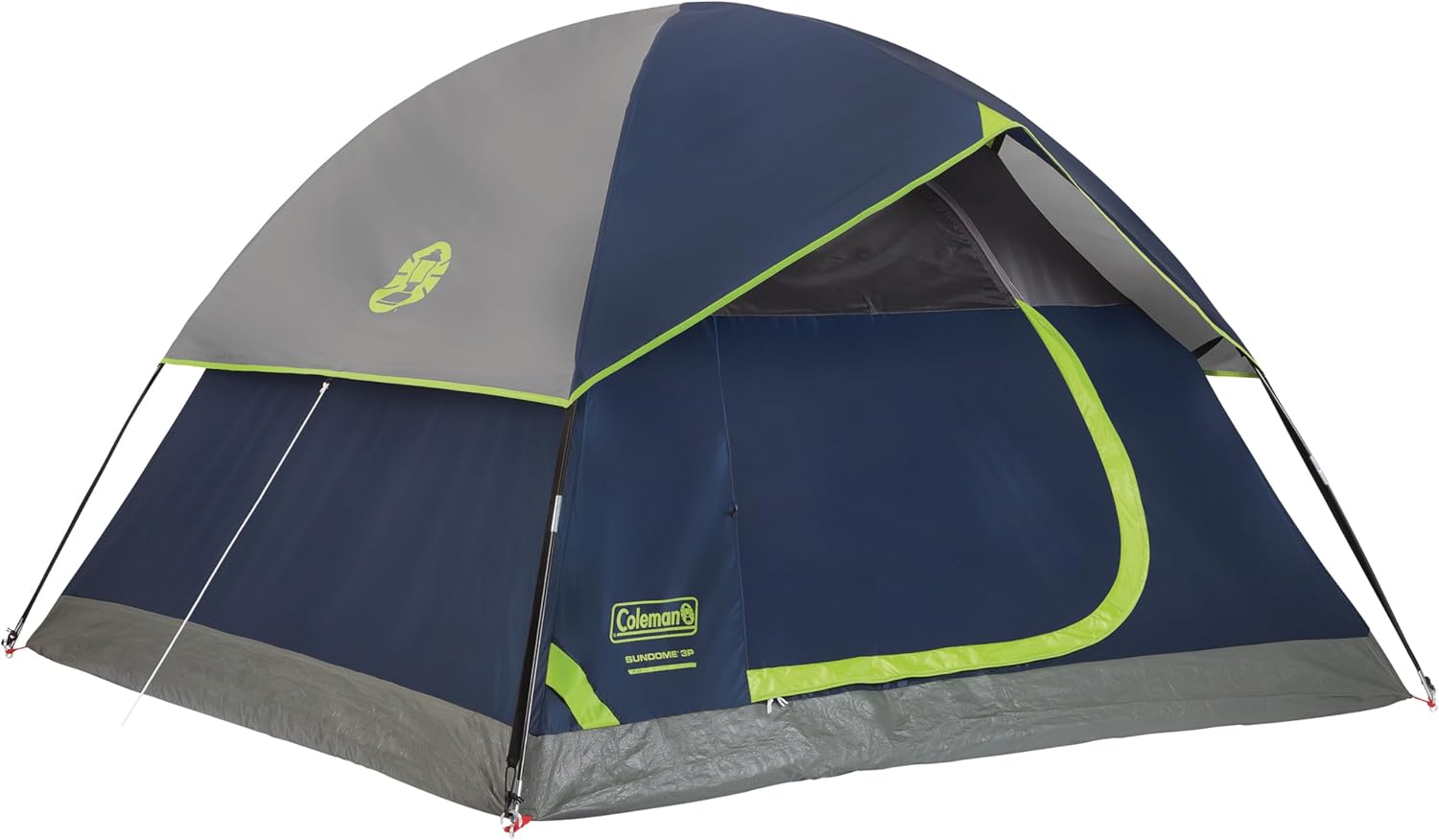
Freestanding dome tents (2–4 person): 10–15 minutes for an experienced camper, 20–30 minutes if you have never done it before. This is the most common tent type for car camping and the easiest to learn.
Backpacking tents (single or double wall): 5–15 minutes once familiar. Many backpacking tents are designed for fast setup because you may be pitching in the rain or low light.
Cabin tents (6+ person, multiple rooms): 30–60 minutes the first time, 20–30 once practiced. The pole configurations are more complex and the footprint is large.
Pop-up tents: Under 5 minutes to open, 10–20 minutes to figure out how to fold it back down (the first time).
Tunnel tents and non-freestanding designs: 15–25 minutes with practice. These require staking properly to stand, which adds steps.
What makes setup take longer
- First time with a new tent — Reading instructions and sorting poles adds 10–15 minutes every time
- Wind — Holding a fly down while clipping or staking in wind is genuinely difficult alone
- Low light — Setting up after dark in an unfamiliar campground adds significant time
- Ground conditions — Rocky or hard soil makes staking frustrating and slows the whole process
- Solo vs. two people — Most tents set up faster with a second pair of hands
How to get faster at tent setup
Practice at home before your trip. Set the tent up in your backyard or living room once before your first night out. This surfaces any missing parts, confirms you understand the pole system, and gives you a mental map of the process.
Label your poles if your tent has multiple sizes. A piece of colored tape on matching pole ends saves time sorting.
Pre-clip the fly. Some tent flies can be partially attached to the tent body while still packed. Doing this before you leave home or at the trailhead saves fiddling in the dark.
Use consistent staking. Develop a routine — stake the door side first, then pull tension to the opposite corner. Consistency means fewer adjustments.
Keep stakes in one place. A small mesh bag or dedicated pocket keeps stakes from scattering through your pack or gear bag.
Do I need to stake my tent?
Yes, even in calm weather. Stakes keep the tent from shifting in your sleep, protect the structure if wind picks up overnight, and prevent the tent body from collecting moisture at the base. Freestanding tents can stand without stakes, but they should always be staked when someone is sleeping in them.
Tips for first-time campers
If this is your first camping trip, bring the tent instructions and set it up at home at least once. A 20-minute session in your backyard is worth far more than the same 20 minutes of confusion at your campsite after a long drive.