
Best Camping in the Southwest USA
Top camping destinations across Utah, Arizona, New Mexico, and Nevada. Desert camping tips and what to pack for hot days and cold nights.
Best for
Campers who want a fast answer they can use right away. This help article gives you practical destinations advice without making you dig through a long camping blog post first.
The American Southwest has some of the most dramatic camping terrain in the country — red rock canyons, desert arches, high plateaus, and sky island forests. It also presents real planning challenges: extreme heat, flash flood risk, and campsite competition in peak season. Here is what to know before you go.
Top camping destinations by state
Utah
Zion National Park — Watchman and South campgrounds sit right in the canyon. Book 6 months out; these fill in minutes on release day. Shuttle-accessible to all major trails.
Arches National Park — Devils Garden Campground is the only campground in the park. 50 sites, most reservable March through October. The park now requires a timed entry permit during peak season (separate from camping).
Bryce Canyon National Park — North Campground and Sunset Campground are well-situated for star gazing. Elevation around 8,000 feet means summer nights are cool.
Goblin Valley State Park — Less visited than the big parks, with striking sandstone formations and a more remote feel. Three campgrounds including glamping options.
Arizona
Grand Canyon South Rim — Mather Campground has over 300 sites. Reservations open 6 months in advance. The views from the rim are steps from your tent.
Saguaro National Park — No developed campgrounds inside the park, but dispersed camping is available in adjacent Coronado National Forest. Excellent for birding and desert photography.
Sedona / Coconino National Forest — Several developed campgrounds near town (Manzanita, Cave Springs) and dispersed camping options with fewer crowds. Red rock views from nearly every site.
New Mexico
White Sands National Park — Backcountry campsites among the gypsum dunes. One of the most unusual camping experiences in the country. Permit required; no water available.
Carlsbad Caverns area — Lincoln National Forest has dispersed camping options near one of the more underrated parks in the region.
Nevada
Valley of Fire State Park — About an hour from Las Vegas, with sites directly in the red sandstone formations. Limited shade; best visited October through April.
Great Basin National Park — One of the least-visited national parks. Wheeler Peak Campground sits at 10,000 feet. Dark, quiet, and excellent for astronomy.
Desert camping: what is different
Heat is the primary hazard. Daytime temperatures above 100°F are common from May through September at lower elevations. Plan hikes for early morning, rest midday, and stay hydrated aggressively (3+ liters per day in heat).
Nights get cold fast. Desert air holds almost no heat after sundown. A day that was 95°F can drop to 55°F or lower by midnight. Pack a real sleeping bag and insulating layers regardless of the forecast high temperature.
Flash floods are underestimated. Rain miles away can send a wall of water through a canyon with no warning. Never camp in a wash, dry riverbed, or narrow slot canyon bottom. Check the forecast for the entire watershed before settling into a low spot.
Sun exposure is intense. Rock walls reflect UV radiation. Sunscreen, a wide-brim hat, and light long sleeves will save you from a painful burn even on overcast days.
Gear priorities for the Southwest
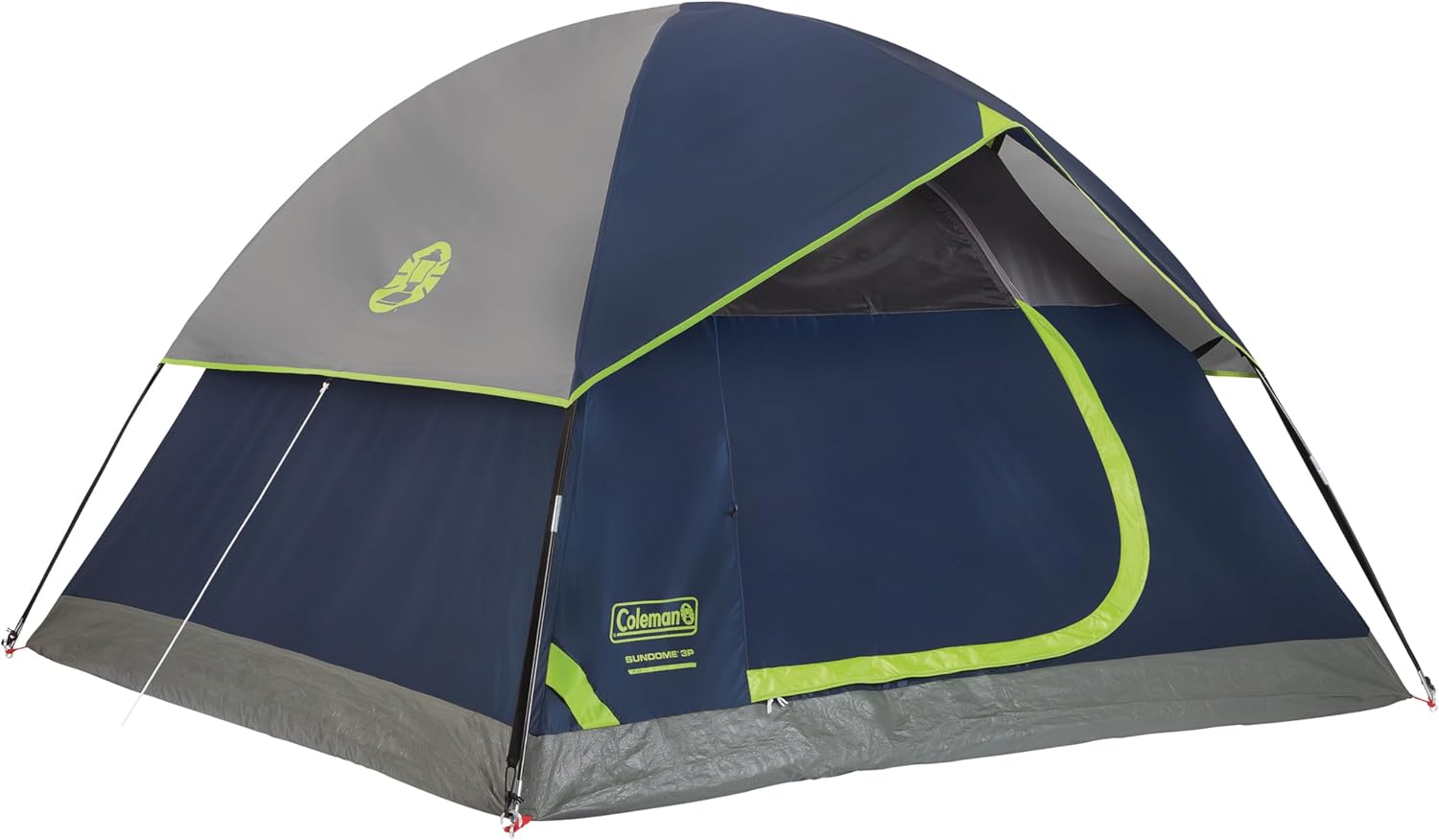
A reliable tent with a full rainfly handles the afternoon thunderstorms that roll through July and August, especially in Utah and Arizona highlands. A double-wall tent keeps condensation off your sleeping bag on cold nights.
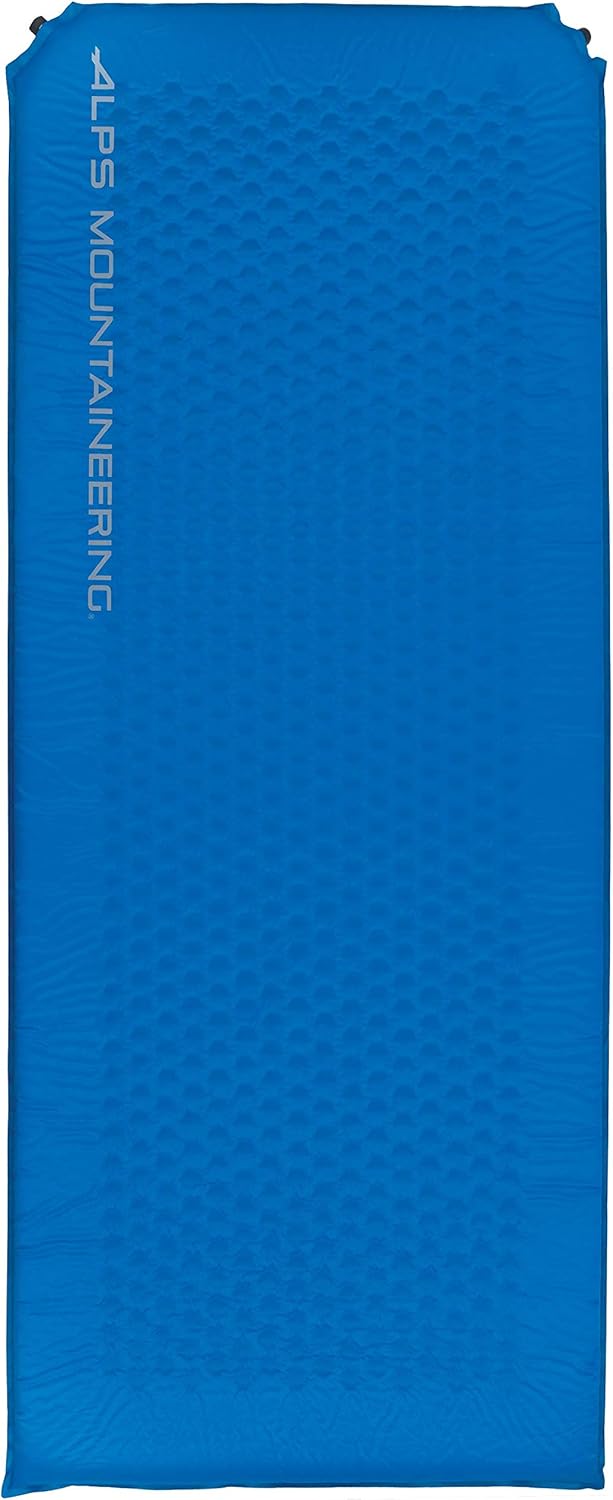
A quality sleeping pad is especially important on desert camping because the ground retains cold at depth even when the surface is warm. A self-inflating foam pad provides consistent insulation and comfort without the failure risk of air-only pads.
Best times to visit
- Spring (March–May): Best overall weather at most elevations. Wildflowers in April. Book early.
- Fall (September–November): Cooler temperatures, fewer crowds, excellent photography light.
- Summer (June–August): Viable at elevation (Bryce, Great Basin) but brutal at low elevation (Grand Canyon, Valley of Fire). Early start times are essential.
- Winter (December–February): Quiet and beautiful, but many campgrounds close or reduce to primitive-only access. Snow possible above 5,000 feet.