
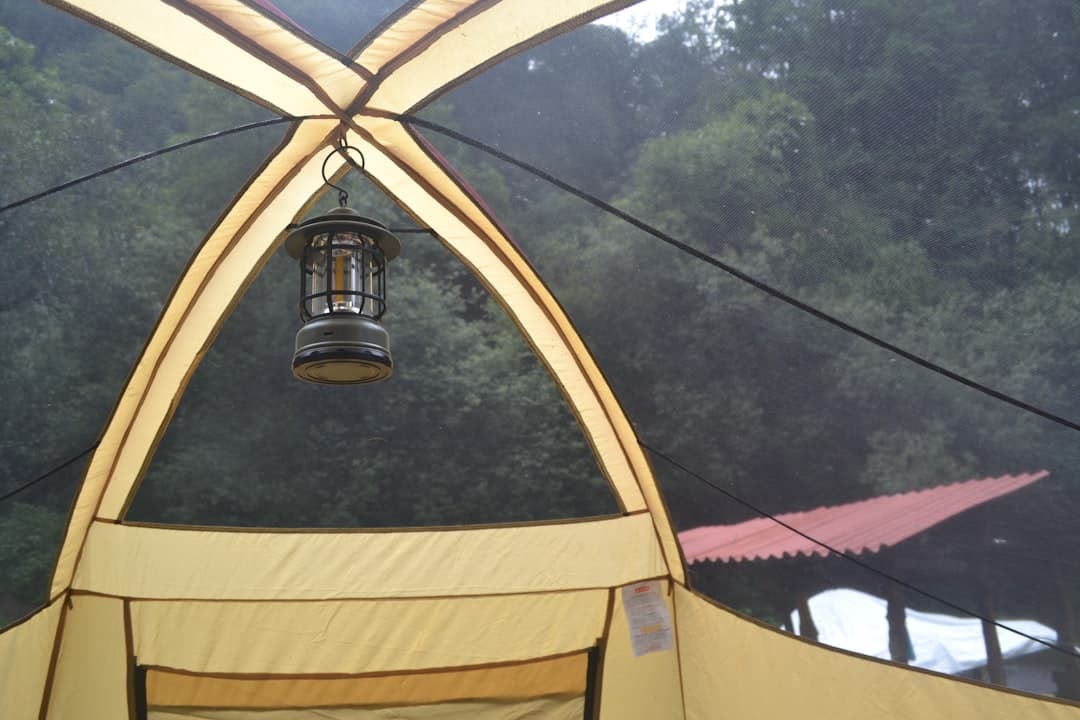
Essentials for Camping: The Complete Gear Guide for Every Trip
Discover the must-have essentials for camping—from shelter and sleep systems to cooking gear and safety kit—so you never forget a critical item again.
Use this guide for
Better camping decisions, faster trip planning, and clearer gear choices. Use this article as your starting point, then keep going with related camping guides and practical help articles below.
Whether you're heading out for your first overnight or your fiftieth, knowing the essentials for camping makes the difference between a great trip and a miserable one. This guide covers every category you need to pack, from shelter and sleep systems to cooking setups and safety gear—so nothing critical gets left behind.
Shelter: Your First Priority
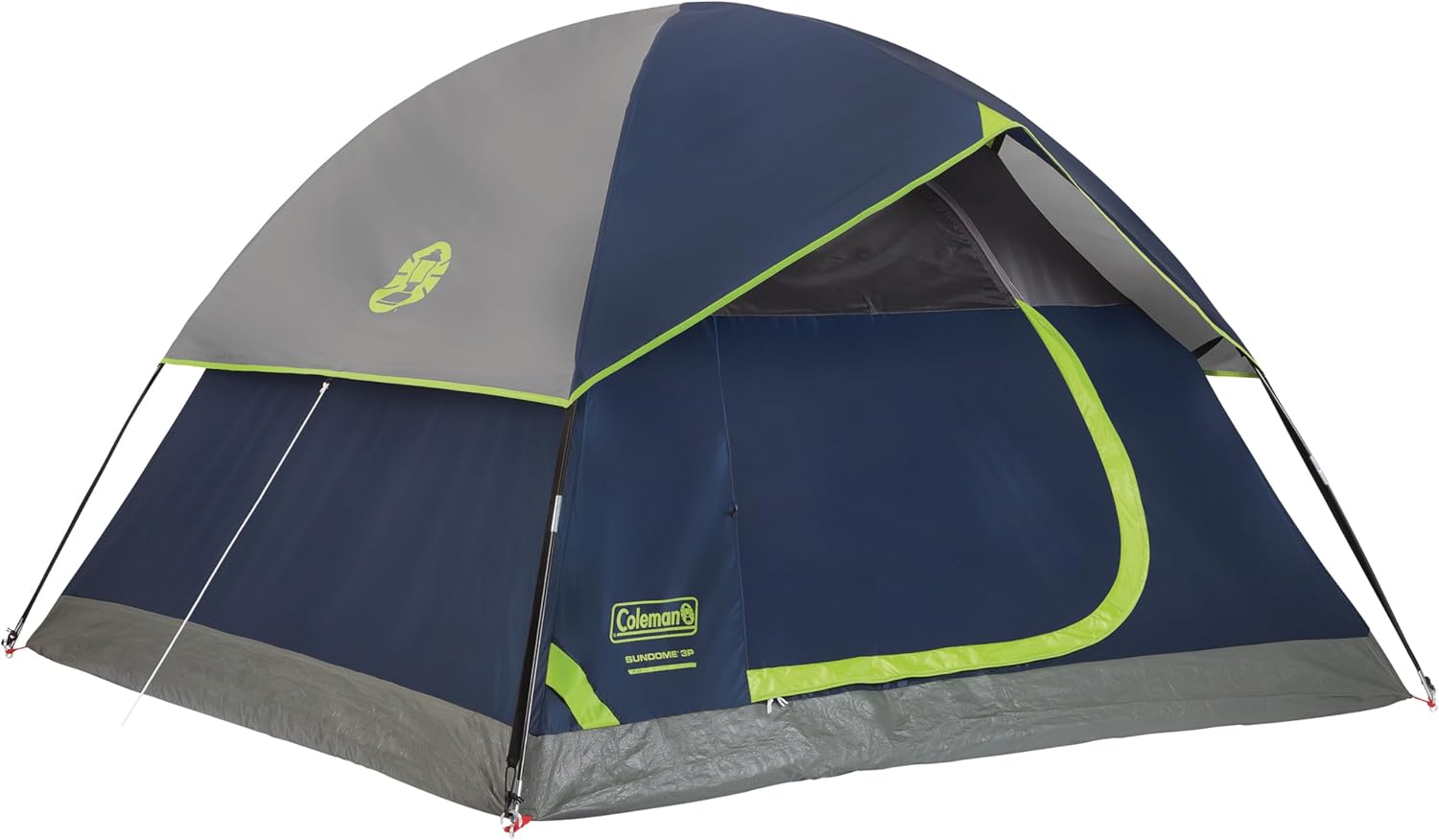
A reliable tent is the foundation of any camping trip. Look for one that's weather-rated for your destination's conditions and easy enough to pitch before dark. For car camping families, a four-person dome tent with a rainfly is the practical sweet spot—it handles unexpected rain and sets up fast.
What to look for in a tent:
- Waterproof rating (at least 1,500mm for a rainfly)
- Freestanding design for easy setup on hard ground
- Vestibule or porch space for storing muddy boots
- Good ventilation to reduce condensation inside
The Coleman Sundome is a perennial recommendation for good reason—it sets up in about 10 minutes and handles light to moderate rain without leaking.

Sleep System: Stay Warm and Rested
Poor sleep ruins camping trips faster than bad weather. Your sleep system has three components:
- Sleeping bag — rated at least 10°F below the expected overnight low
- Sleeping pad — provides insulation from the ground as much as cushioning
- Pillow — a compressible camping pillow or a stuff sack filled with clothes
The Teton Celsius Sleeping Bag comes in 25°F, 20°F, and 0°F ratings to match different seasons. It packs down reasonably small and holds up well over dozens of trips.
Lighting: See After Dark
Darkness arrives fast at a campsite, and fumbling without a light is both frustrating and dangerous. Pack at least two light sources in case one fails.
Essential lighting gear:
- Headlamp — hands-free lighting for cooking, setting up camp, and night hikes
- Lantern — ambient light for the whole campsite
- Backup batteries or a rechargeable option — nothing worse than dead batteries at midnight
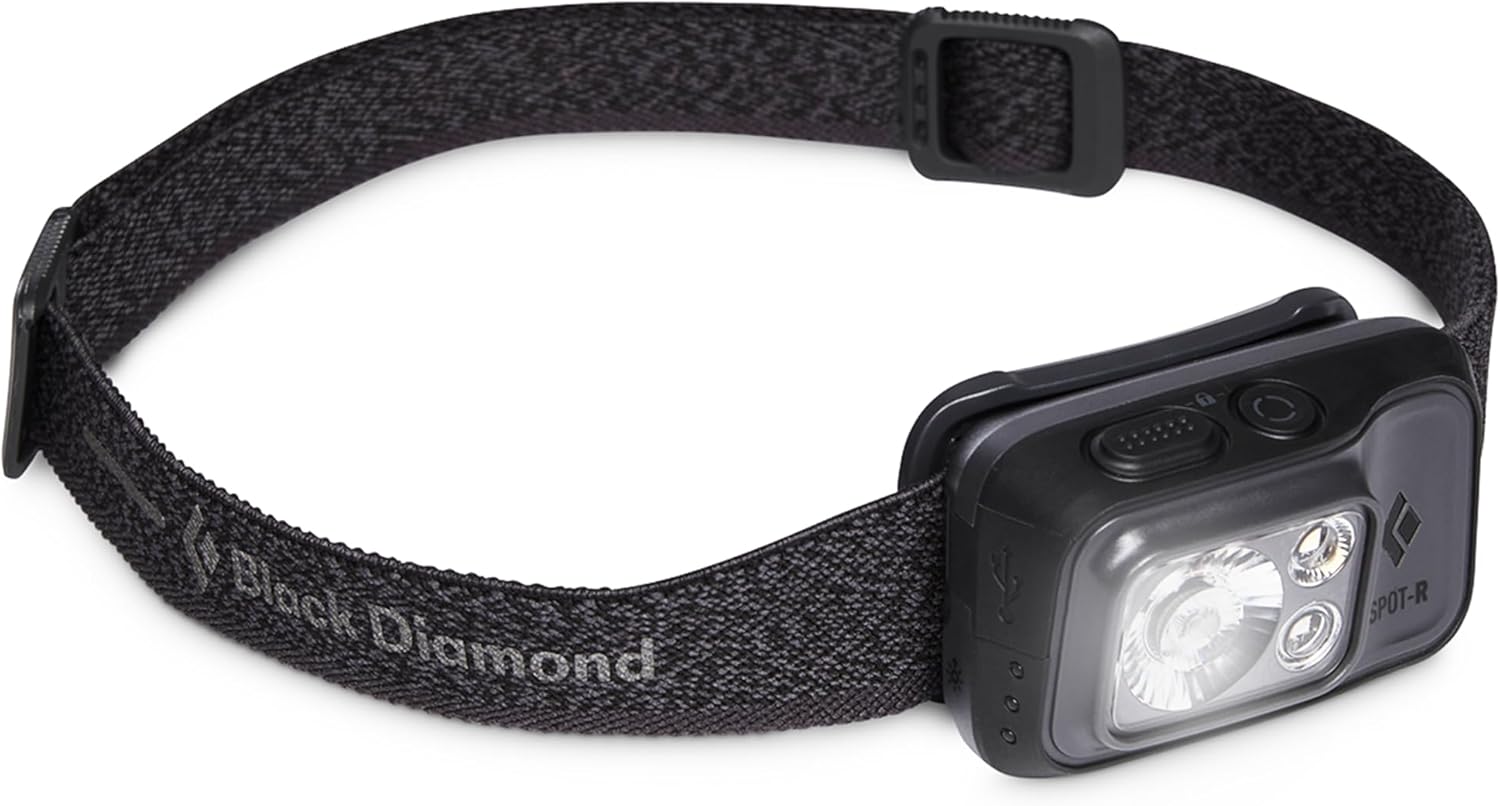
A rechargeable headlamp like the Black Diamond Spot 400-R delivers 400 lumens on high, dims for close-up work, and charges via USB—no need to carry spare AA batteries.
Cooking and Food Storage
Eating well in the outdoors is easier than most beginners expect. You don't need elaborate cooking equipment—but you do need the basics:
- Camp stove with fuel
- Lightweight cookware (pot, pan, or a mess kit)
- Utensils, a mug, and plates
- A cooler with ice or ice packs
- Bear canister or hang bag in areas with wildlife
For food, plan meals that are simple to make—pasta, rice dishes, oatmeal, and wraps are all reliable options that pack well and cook fast.
Fire and Safety Essentials
A campfire extends your evening and provides warmth, but fire safety is non-negotiable. Always check local fire regulations before lighting one.
Fire kit:
- Waterproof matches or a lighter (carry two)
- Firestarter tinder or fire cubes
- Small trowel for burying coals
First aid and safety kit:
- Adhesive bandages, gauze, and medical tape
- Antiseptic wipes and antibiotic ointment
- Moleskin for blisters
- Whistle and signal mirror
- Emergency mylar blanket
Keep your first aid kit accessible—not buried at the bottom of a pack.
Clothing Layers
Weather in the outdoors changes fast. The layering system is your best friend:
- Base layer — moisture-wicking fabric against your skin
- Mid layer — fleece or down for insulation
- Outer layer — wind and rain protection
Pack one extra set of everything. Wet clothes at night in the backcountry is a genuine safety risk, not just a discomfort.
Navigation and Leave No Trace
Even car campers benefit from knowing where they are. Bring a paper map of the area alongside any phone apps—cell service disappears in campgrounds more often than you'd expect.
Follow Leave No Trace principles:
- Pack out all trash and food scraps
- Use designated fire rings
- Stay on marked trails
- Keep noise low, especially at night
Packing Smart
The real skill in camping isn't buying the most expensive gear—it's knowing what you actually need and leaving the rest at home. Start with shelter, sleep, light, food, and safety. Everything else is a comfort upgrade.
Pack your essentials for camping the night before you leave, check the weather forecast one final time, and you're ready for whatever the outdoors throws at you.