
Camping Gear: The Complete Guide to Outdoor Equipment for Every Trip
Everything you need to know about camping gear — from shelter and sleep systems to lighting and cooking. Build the perfect kit for any campsite.
Use this guide for
Better camping decisions, faster trip planning, and clearer gear choices. Use this article as your starting point, then keep going with related camping guides and practical help articles below.
Choosing the right camping gear is the difference between a miserable trip and one you'll talk about for years. Whether you're heading out for a single night or a week in the backcountry, having the proper equipment keeps you safe, comfortable, and free to actually enjoy the outdoors.
This guide breaks down the essential camping gear categories, what to look for in each, and specific recommendations that earn their place in your pack.
The Big Three: Shelter, Sleep, and Light
Every camping kit starts with three fundamentals. Get these right and the rest falls into place.
Shelter
Your tent is your home away from home. For most car campers and beginners, a three-season tent that sets up quickly and handles rain is the sweet spot.

What to look for:
- Setup time under 15 minutes — complex poles ruin the end-of-drive setup experience
- A full rainfly that reaches the ground or close to it
- A footprint or bathtub floor to keep moisture out from below
- Enough vestibule space for wet gear storage
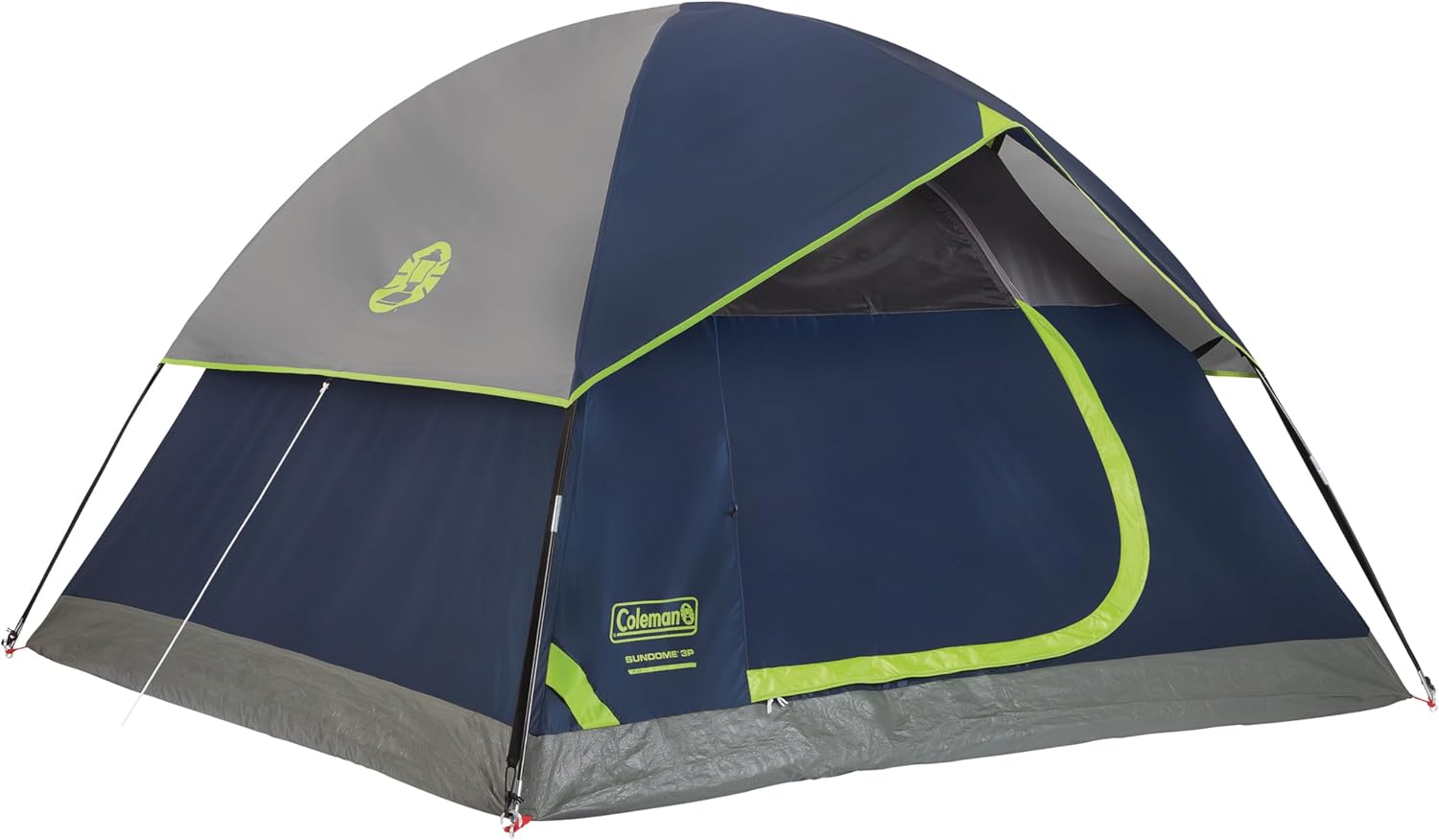
The Coleman Sundome is a reliable entry point for car campers. It goes up in under 10 minutes and the weatherproof rainfly handles typical campground storms without drama.
Sleep System
A good night's sleep makes every other part of the trip better. Your sleep system — sleeping bag plus sleeping pad — needs to match the temperatures you'll encounter.
Sleeping bag tips:
- Buy for the coldest night of your trip, not the average
- A 20°F bag covers most three-season camping in North America
- Mummy bags are warmer; rectangular bags are more comfortable
The Teton Celsius line comes in 25°F, 20°F, and 0°F ratings, so you can match it to your camping season without overspending on extreme cold performance you won't need.
Sleeping pad: Many new campers skip the sleeping pad and regret it immediately. Pads serve two functions: cushioning and insulation from cold ground. Self-inflating pads from ALPS Mountaineering hit a good balance of warmth, comfort, and packability for car camping.
Lighting
Headlamps beat handheld flashlights for campsite use — you need your hands free for cooking, setting up gear, and navigating to the bathroom at 2 a.m.
Headlamp specs that matter:
- 200+ lumens for task lighting; 300–400 for trail use
- Red light mode to preserve night vision at camp
- Rechargeable via USB to eliminate battery anxiety
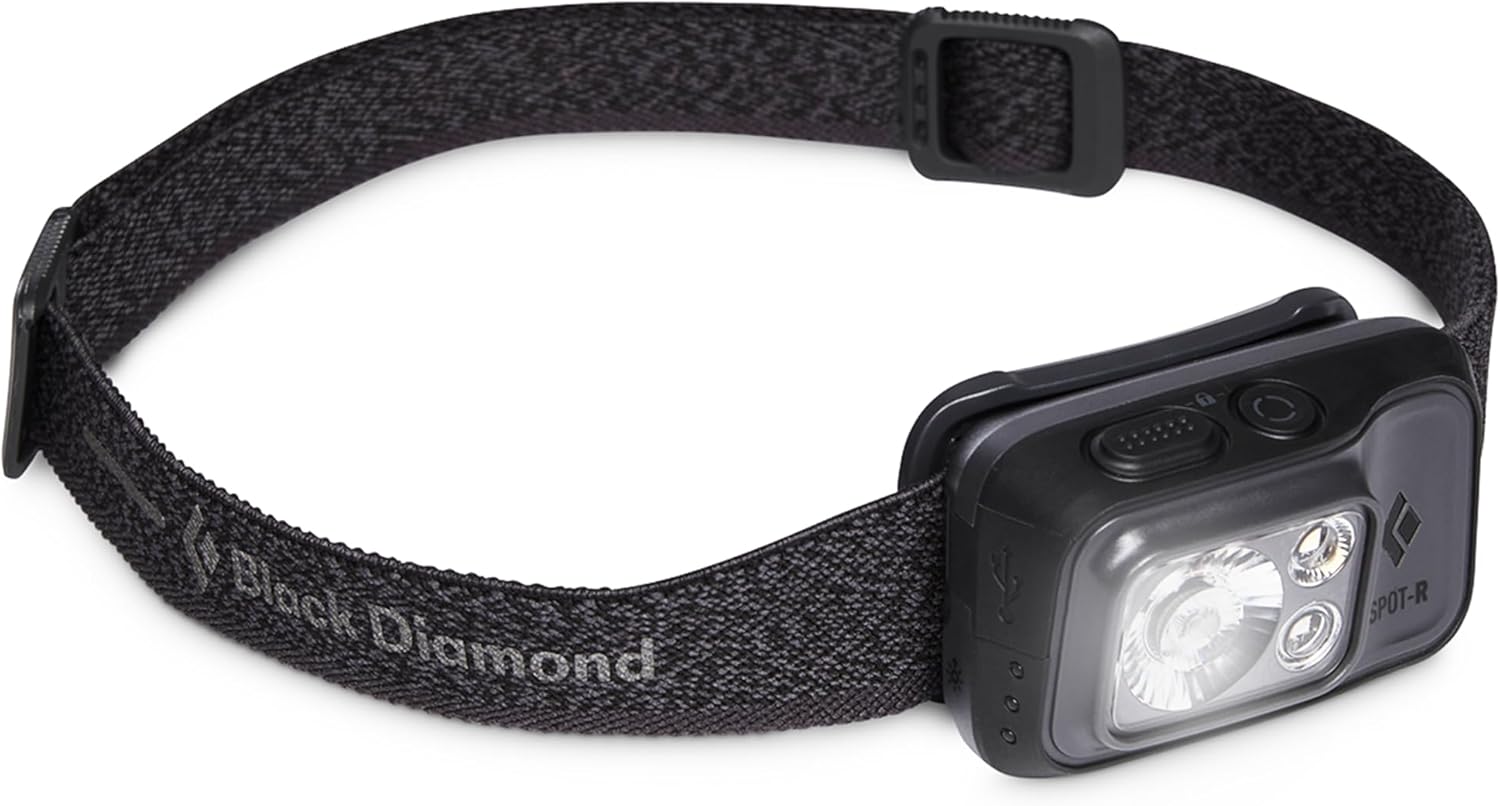
The Black Diamond Spot 400-R delivers 400 lumens, charges via USB, and has a reliable dimming system that covers everything from reading in your tent to hiking a dark trail.
Cooking Gear
Camp cooking ranges from ultralight backpacking meals to full cast iron spreads. For most car campers, a two-burner propane stove is the most versatile option.
Camp kitchen basics:
- Propane stove (two burners for cooking multiple things simultaneously)
- Mess kit or cookware set
- Utensils, cutting board, and a small dish soap
A two-burner stove like the Coleman Triton lets you boil water and cook a meal at the same time — a surprisingly big quality-of-life upgrade over single-burner options.
Clothing and Layering
Gear isn't just equipment — clothing is part of your camping kit too. The layering system works for almost any climate:
- Base layer: Moisture-wicking fabric next to skin (merino wool or synthetic)
- Mid layer: Fleece or down jacket for warmth
- Outer layer: Waterproof/windproof shell for rain and wind
Bring one more layer than you think you need. Temperatures drop faster at elevation and after sundown than most people expect.
Navigation and Safety
Even if you're camping in a developed campground, basic navigation and safety gear belongs in your kit.
Don't leave the car without:
- Paper map or downloaded offline maps for the area
- First aid kit sized for a camping trip (not just a few band-aids)
- Fire starter (lighter plus waterproof backup matches)
- Multi-tool or knife
Storage and Organization
Gear only works if you can find it. A few organization habits save a lot of frustration:
- Use stuff sacks or dry bags to group related items (sleep system, kitchen, first aid)
- Keep frequently accessed items — headlamp, knife, snacks — near the top of your bag or in a side pocket
- Pack heavy items close to your back and centered for balanced carry
Building Your Kit Over Time
You don't need to buy everything at once. Start with the Big Three (shelter, sleep, light) and build from there trip by trip. Borrow or rent specialized gear until you know you'll use it regularly.
Prioritize quality in the items that affect your sleep and safety first. A $30 sleeping bag that leaves you shivering at 3 a.m. costs more in misery than the money you saved. Everything else — cooking gear, camp furniture, extra gadgets — can be upgraded gradually as you figure out what your camping style actually requires.
The best camping gear is the gear you have with you and know how to use. Start simple, get outside, and refine from there.