
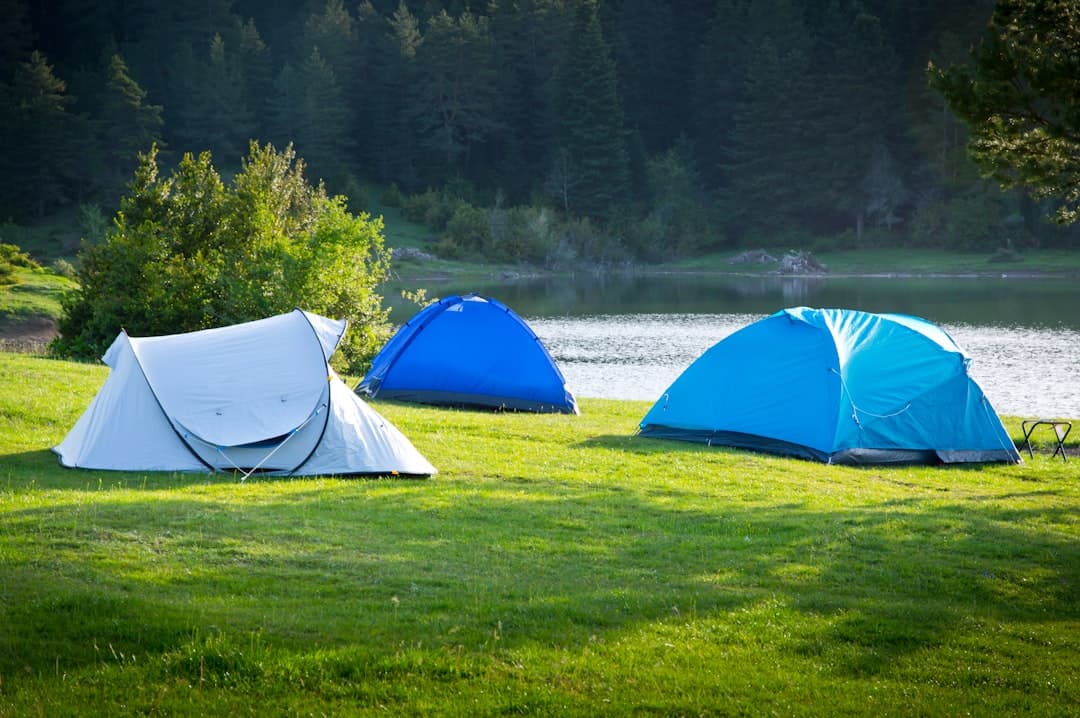
Camping Essentials: The Complete Gear Guide for Every Camper
Everything you need to know about camping essentials, from shelter and sleep systems to cooking gear and lighting. Build your perfect kit.
Use this guide for
Better camping decisions, faster trip planning, and clearer gear choices. Use this article as your starting point, then keep going with related camping guides and practical help articles below.
Whether you're heading out for your first overnight or your fiftieth, having the right camping essentials makes the difference between a great trip and a miserable one. This guide covers everything you need to build a solid kit — from shelter and sleep to cooking, lighting, and the small items that always get forgotten.
The Core Camping Essentials
Every camping kit starts with the same foundation. Get these right and everything else is just comfort.
Shelter
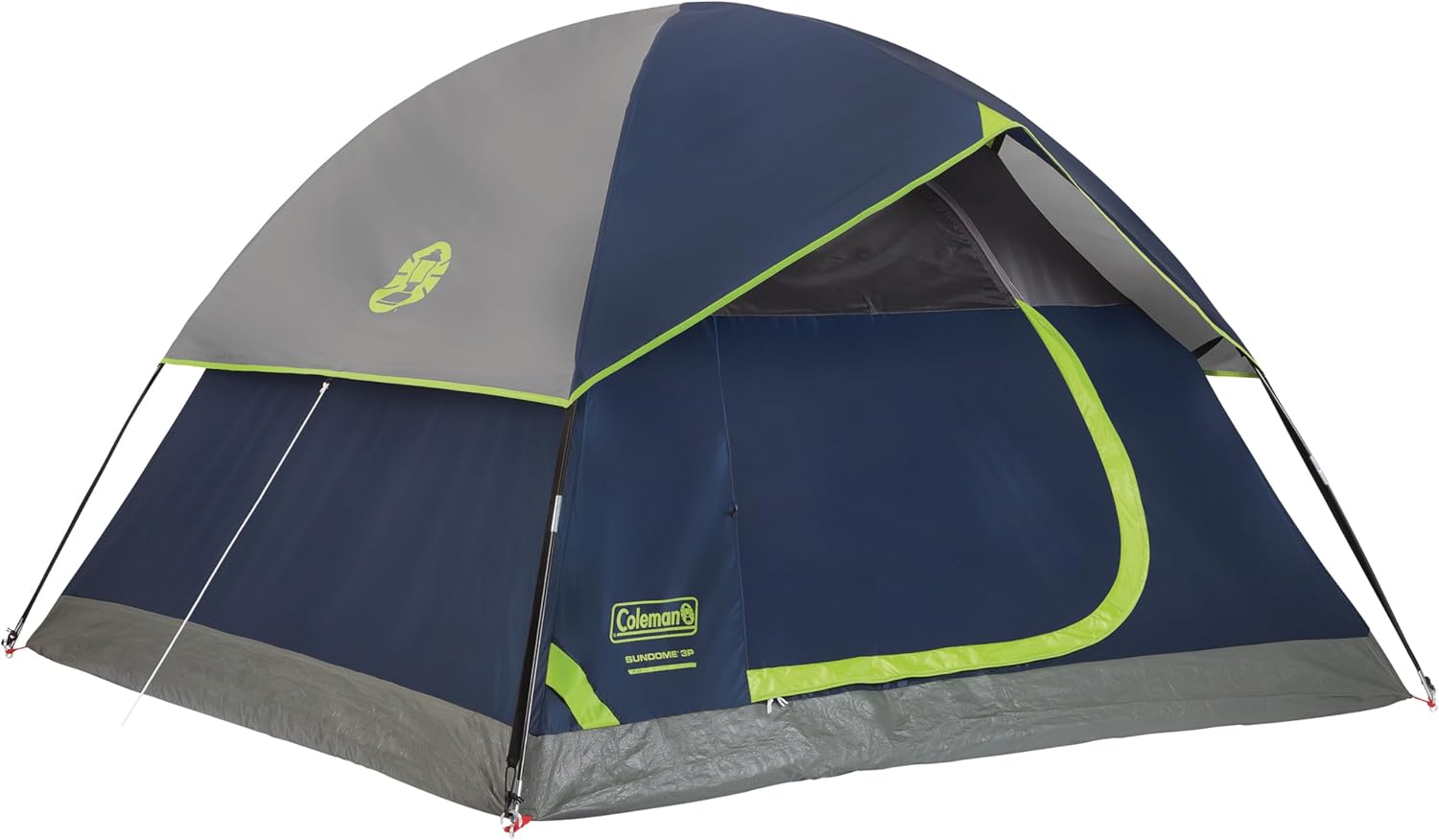
Your tent is the single most important piece of gear you own. A good tent keeps you dry in rain, protected from wind, and comfortable overnight. For most car campers, a freestanding dome tent like the Coleman Sundome is the right call — it sets up in under 10 minutes, handles moderate weather, and fits two to six people depending on the size you pick.
Key things to look for in a tent:

- Season rating — most beginners do fine with a 3-season tent
- Setup time — freestanding designs are far easier than staked setups
- Rainfly coverage — a full rainfly keeps condensation and rain off the inner walls
- Floor space — size up one person's worth of space if you're bringing gear inside
Sleep System
After shelter, sleep quality is the biggest factor in how much you enjoy your trip. A cold, uncomfortable night can ruin a weekend. Your sleep system has two components: a sleeping bag rated for your expected low temperature, and a sleeping pad underneath it.
The Teton Celsius sleeping bag is a reliable option for three-season camping. It comes in 25°F, 20°F, and 0°F ratings, so you can match it to your destination. Pair it with a foam or self-inflating sleeping pad — the pad insulates you from the cold ground, which matters as much as the bag itself.
Lighting
Once the sun goes down, a good headlamp is essential. A flashlight forces you to hold it, leaving only one hand free. A headlamp keeps both hands available for cooking, setting up camp, or navigating at night.
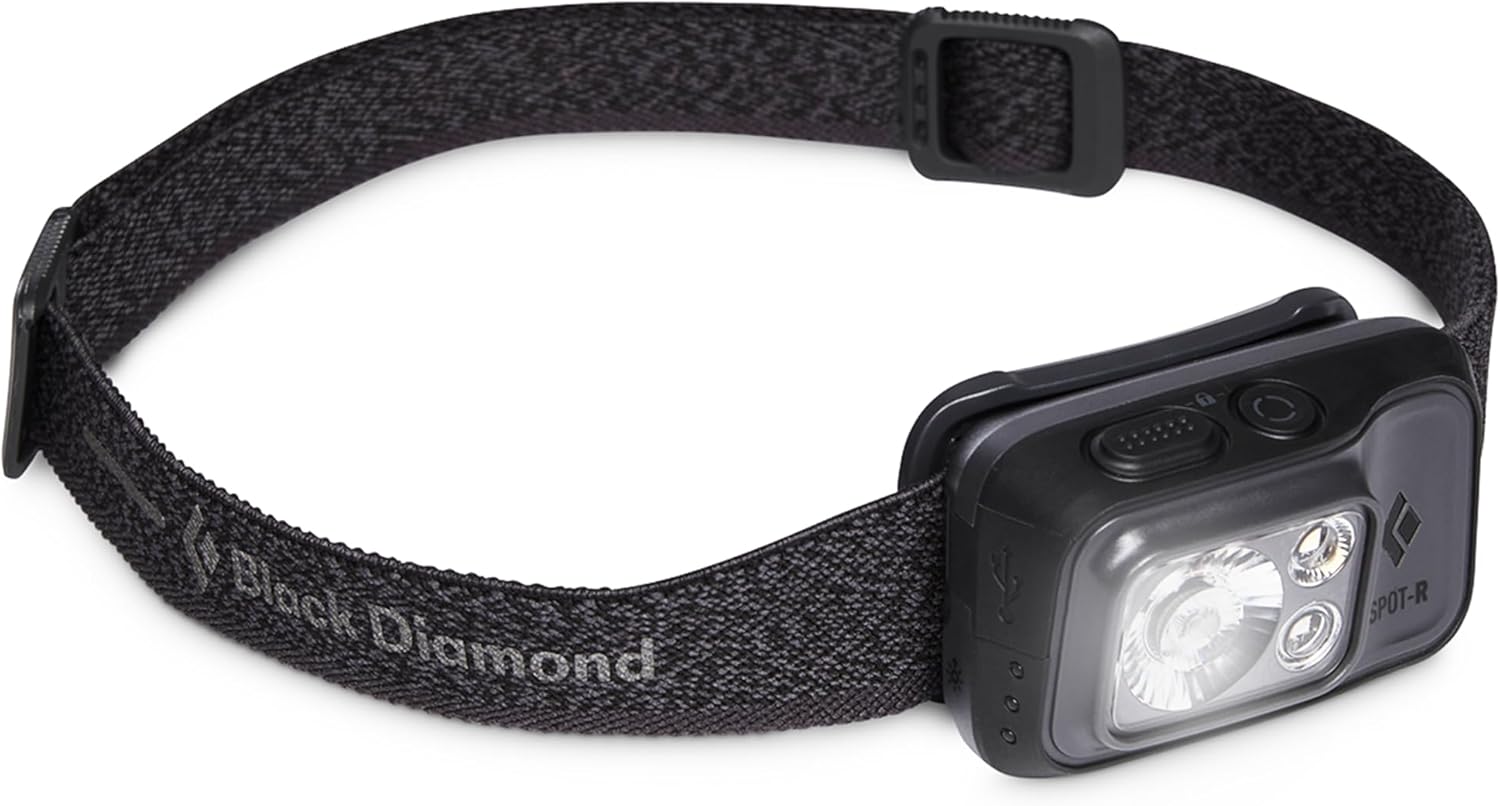
The Black Diamond Spot 400-R puts out 400 lumens and recharges via USB — no more running out of batteries mid-trip. It's waterproof, dimmable, and compact enough to pack in a jacket pocket.
Cooking and Food Storage
Eating well at camp doesn't require a lot of gear, but a few key items make it much easier.
What you need:
- A camp stove with fuel (a two-burner propane stove is ideal for car camping)
- A lighter or matches stored in a waterproof case
- A pot, pan, or camp cookware set
- A utensil set and camp mug
- A cooler for perishables
For car camping, a two-burner propane stove gives you the flexibility to cook a full meal — boil water on one burner while heating a pan on the other. Backpackers and minimalist campers can get by with a compact backpacking stove and a single pot.
Don't forget food storage. At established campgrounds, use the bear boxes provided. In dispersed or backcountry campsites, a bear canister or hang system is required in many areas.
Clothing and Layering
Weather changes fast outdoors. Even in summer, temperatures can drop 30 degrees after sunset. Always pack in layers:
- Base layer — moisture-wicking material to move sweat away from your skin
- Mid layer — a fleece or light down jacket for warmth
- Outer layer — a rain shell that blocks wind and water
- Warm hat and gloves — essential for high-elevation or shoulder-season trips
Cotton is the one thing to avoid. It absorbs moisture and takes forever to dry, which makes it dangerous in cold, wet conditions. Wool and synthetic fabrics are far better choices.
Navigation and Safety
Even on a familiar trail, navigation gear matters. Cell service disappears quickly once you're in the backcountry.
Pack these basics:
- A trail map of your area (downloaded offline or printed)
- A compass and the knowledge to use it
- A small first aid kit with blister treatment, pain reliever, and bandages
- A whistle for emergencies
- Sun protection — sunscreen, sunglasses, and a wide-brimmed hat
The Small Items That Always Get Forgotten
Every experienced camper has a mental list of things they forgot on an early trip. Here's a shortcut:
- Headlamp batteries or charger — even a great headlamp won't help if it's dead
- Duct tape — fixes broken gear, torn tent seams, and blister hot spots
- Dry bags or stuff sacks — keeps clothes and sleeping bags dry if your pack gets wet
- Trowel — required for Leave No Trace cat-hole waste disposal in dispersed areas
- Insect repellent — especially important in wooded and marshy campsites
- Toilet paper and a waste bag — many backcountry areas require pack-out
Building Your Kit Over Time
You don't need to buy everything at once. Start with shelter, sleep, and lighting — those three categories cover the essentials that affect safety and comfort most. Add cooking gear next, then refine the smaller items based on what you actually use.
The best camping essentials list is the one that matches your specific trips. A car camper at a developed campground needs different gear than someone doing dispersed camping in the desert. Start simple, take notes after each trip on what you wished you had, and build from there.