
Campground Marketing: Proven Strategies to Fill Your Campsite Year-Round
Discover proven campground marketing strategies to attract more campers, boost bookings, and grow your outdoor hospitality business year-round.
Use this guide for
Better camping decisions, faster trip planning, and clearer gear choices. Use this article as your starting point, then keep going with related camping guides and practical help articles below.
Running a campground is about more than having great sites and clean facilities. To keep your bookings full and your reputation growing, you need a deliberate campground marketing strategy that reaches campers where they are — online, on social media, and through word of mouth.
Whether you operate a small primitive campground or a full-service RV park, these proven tactics will help you attract more guests, build loyalty, and grow revenue season after season.
Know Your Target Camper
Before you spend a dollar on advertising, understand who your ideal guest is. Campground marketers often overlook this step, but it shapes everything from your website copy to your Instagram feed.
Ask yourself:
- Are your guests primarily families with young kids, solo adventurers, or retired RV travelers?
- Do they prefer primitive tent sites or full hookup RV pads?
- What activities do they want nearby — hiking, fishing, kayaking, or simply relaxing?

Understanding your audience lets you speak directly to their needs in every piece of marketing you create.
Build a Strong Online Presence
Your campground's website is your most important marketing asset. Most campers research and book online, so your site must do three things well:
- Load fast and look great on mobile. Over 60% of campground searches happen on smartphones.
- Show clear pricing, site maps, and availability. Campers abandon bookings when information is hard to find.
- Feature real photos of your sites. High-quality images of your campground — fire pits, scenic views, amenities — convert browsers into bookers.
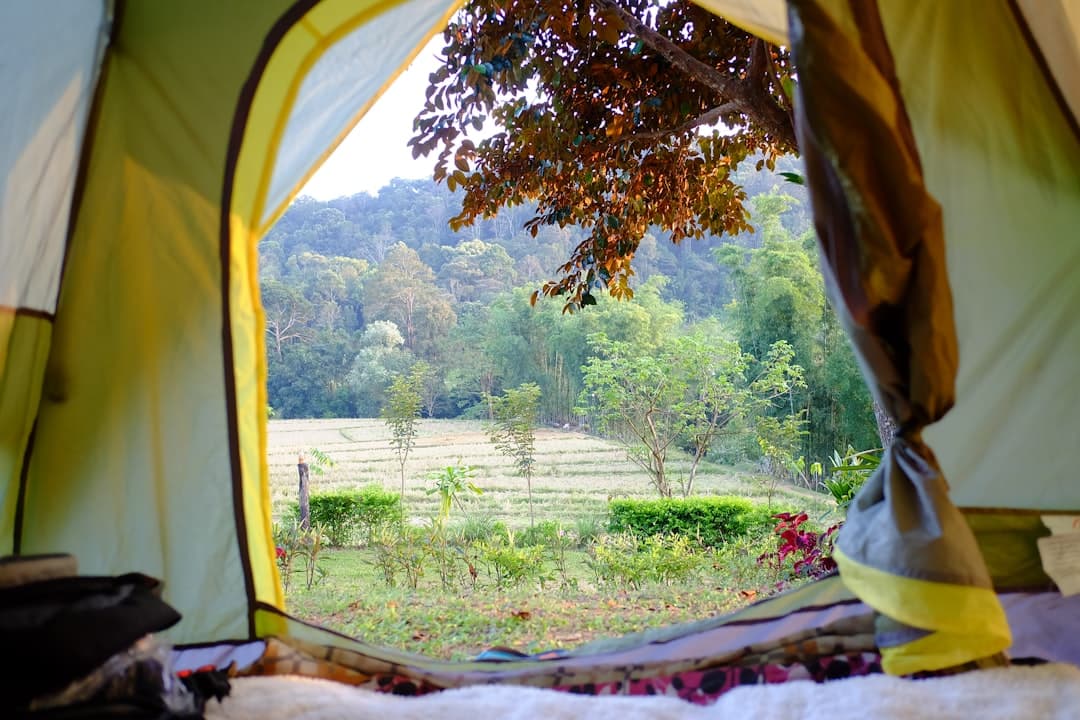
Invest in professional photography for your hero images. A shot of tents glowing against a sunset sky tells campers more than any bullet list of amenities.
Local SEO Matters
Optimize your Google Business Profile with accurate hours, photos, and responses to every review. Target local search terms like "campgrounds near [your city]" or "family camping in [your region]" on your website pages.
Leverage Social Media to Build Community
Social media is one of the highest-ROI marketing channels for campgrounds because it runs on authentic content — and your guests create it for you.
Best platforms for campground marketing:
- Instagram: Share scenic site photos, sunset shots, and guest moments (with permission). Use location tags and camping hashtags like
#camplife,#outdoors, and#camping. - Facebook: Create a campground page and join local camping groups. Facebook Groups are still active for regional outdoor communities.
- TikTok: Short videos of campfire setups, wildlife sightings, or "day in the life at the campground" content perform surprisingly well.
Post consistently — even 3 times per week builds significant organic reach over a season.
Run Seasonal Promotions and Early-Bird Deals
Campers plan ahead, especially for holiday weekends. Use limited-time offers to drive early bookings and fill shoulder-season slots:
- Early-bird discounts: Offer 10–15% off for bookings made 60+ days in advance.
- Midweek deals: Tuesday–Thursday sites often sit empty. A "midweek escape" package at a slight discount fills gaps and smooths cash flow.
- Loyalty rewards: Return guests are your most valuable segment. Offer a free night after five stays, or priority booking access for returning members.
Email marketing is the best channel for these promotions. Build your list at check-in, and send a seasonal newsletter with upcoming deals and campground updates.
Partner with Camping Influencers and Local Businesses
Influencer marketing doesn't require paying six-figure creators. Micro-influencers with 5,000–50,000 followers in the camping, hiking, or family travel niche often charge little or nothing for a stay-in-exchange-for-content deal.
Also reach out to:
- Local outdoor gear shops for cross-promotion
- State tourism boards to get listed on official recreation pages
- Hiking trail organizations if your campground sits near popular routes
These partnerships generate backlinks to your website, which boosts your search rankings alongside your word-of-mouth reach.
Manage Reviews Like Your Business Depends on It (It Does)
Reviews on Google, Campendium, The Dyrt, and Reserve America heavily influence booking decisions. A campground with 50 four-star reviews will consistently outbook a competitor with 10 reviews — even if the facilities are comparable.
How to get more reviews:
- Ask at checkout: "If you enjoyed your stay, we'd really appreciate a quick Google review."
- Include a review request card at check-in with a QR code.
- Follow up with a post-stay email with a direct review link.
Respond to every review — positive and negative. A thoughtful reply to a complaint demonstrates professionalism and reassures future guests.
Recommended Gear Your Campers Will Love
Understanding what your guests bring helps you anticipate their needs — and occasionally pointing them toward quality gear keeps them coming back for more comfortable stays.
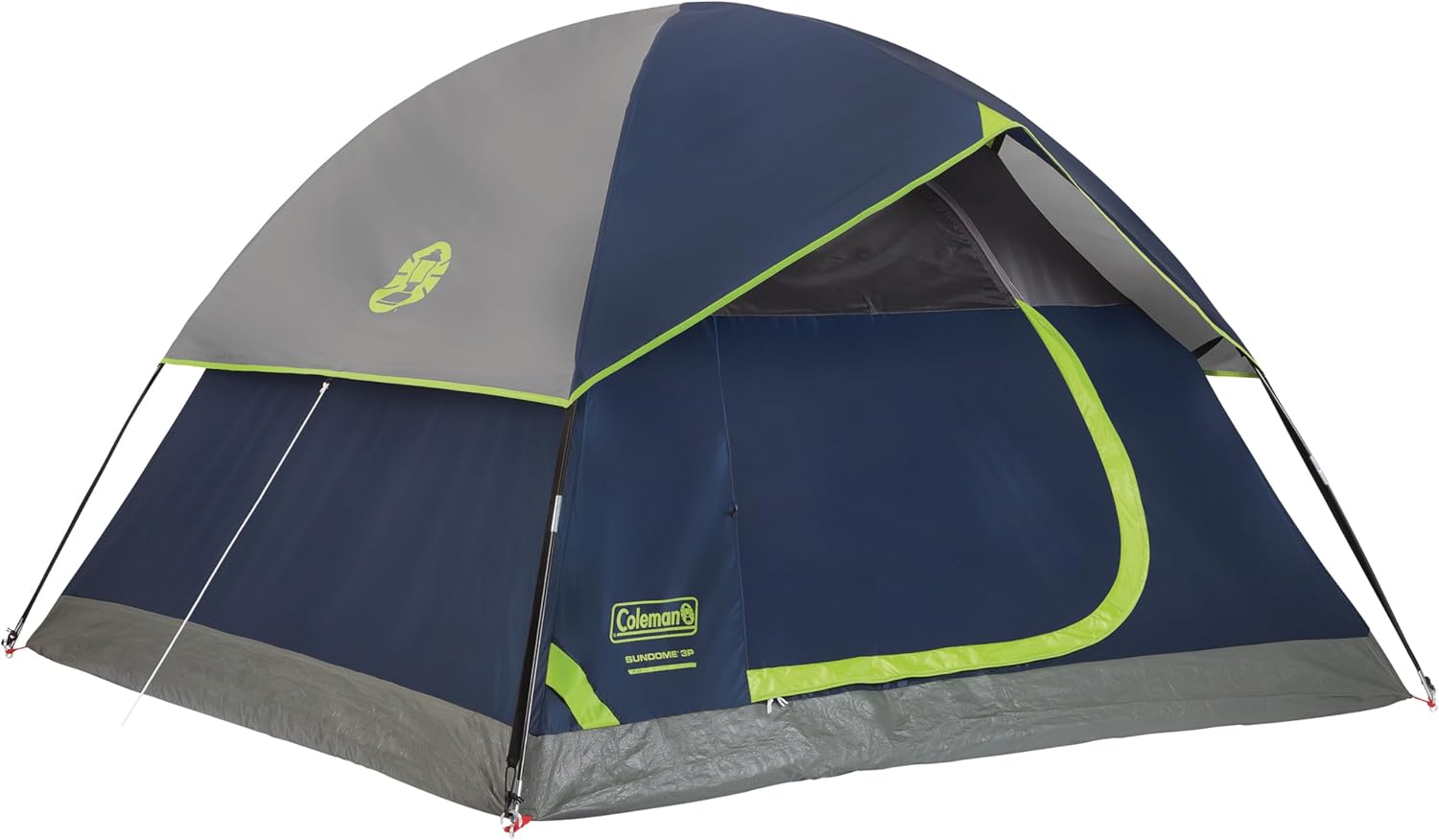
The Coleman Sundome Camping Tent is one of the most popular tents for first-time and casual campers. It sets up in under 10 minutes and handles rain well — exactly the kind of reliable shelter that makes a first-time camper fall in love with the outdoors. Campers who have a great experience with gear like this are far more likely to return to your site.
For cooking at the campsite, the Coleman Triton 2-Burner Propane Stove delivers 22,000 BTUs across two adjustable burners. Campground operators who offer covered cooking areas or prep tables for guests using stoves like this see noticeably higher satisfaction ratings.
The Bottom Line
Successful campground marketing is a mix of showing up online, building genuine relationships with guests, and making it easy for campers to book, return, and refer friends. Start with your website and Google Business Profile, layer in social media and email, and watch your bookings grow season after season.
The best campgrounds don't just sell a patch of ground — they sell an experience. Your marketing job is to show people that experience before they ever arrive.